
1944 The Final Defence
2007
No user ratings available yet
Representation score: 0.6 out of 10
Representation Score
Minimal
1942
Director
Roger von Norman
Runtime
70 minutes
Average Rating
No ratings yetNew Showbiz Analysis
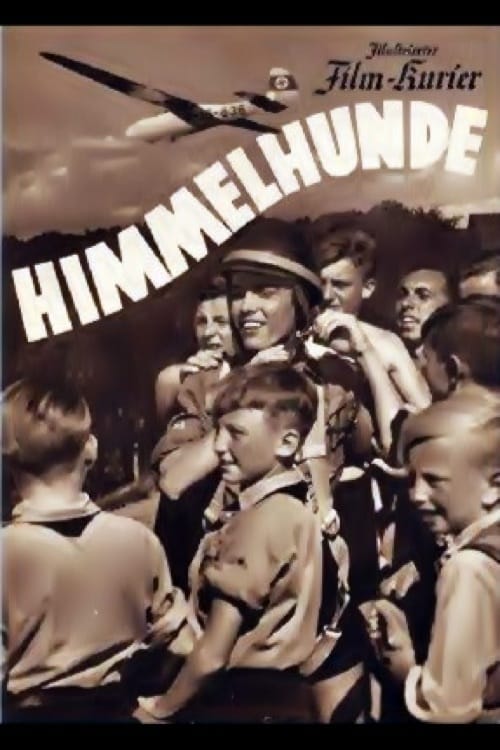
Himmelhunde is a reflection of its time, reinforcing the social and institutional norms of 1942 Germany. The film follows the strict standards of the era, focusing on a single cultural perspective. The story structure highlights traditional gender roles and lacks any representation of racial, ethnic, or LGBTQ+ diversity. Instead, it focuses on a specific cultural viewpoint. Overall, the film upholds the cultural norms of its time without challenging them, presenting a limited view of life through the lens of wartime nationalism.
Category Breakdown
The film does not include any LGBTQ+ characters or stories that go beyond assuming everyone is straight. This reflects the societal standards of 1942 Germany, where such depictions were not allowed.
The movie emphasizes traditional gender roles common in period war dramas. Men are shown as the main actors, while women have supporting or domestic roles.
The film shows a society that is mostly made up of one ethnic group, typical for its time. There are no signs of racial diversity or challenging the idea that certain races are superior.
The story promotes patriotism and the stability of German institutions. It supports the nationalistic and cultural values that were important during World War II.
The film does not feature any characters with disabilities. If there were such characters, they would probably play traditional roles rather than having complex personalities.
Present on Screen
Limited or Absent
2007

1966

2010
1961

1943

2020
1988
1943
No reviews yet. Be the first to share your thoughts on this movie!
Use the rating form above to leave a star rating and optional review.