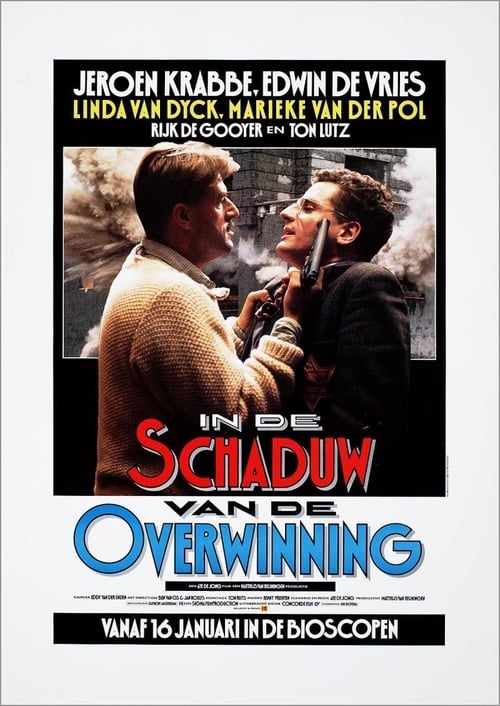
Shadow of Victory
1986
No user ratings available yet
Representation score: 2.2 out of 10
Representation Score
Minimal
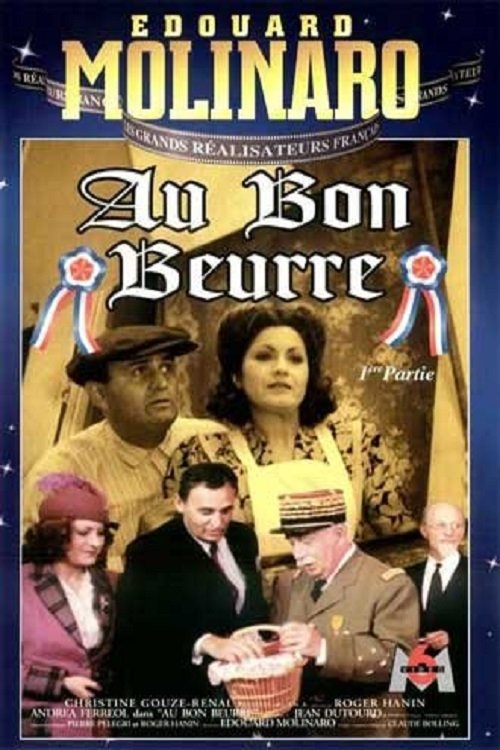
1981
Director
Édouard Molinaro
Average Rating
No ratings yetNew Showbiz Analysis
Au bon beurre is a period piece that prioritizes historical social structures and professional hierarchies. The film functions as a character study of assimilation into a traditionalist Western institution, offering little room for diverse perspectives. The narrative reinforces mid-century norms, particularly regarding gender and sexuality. The professional environment is presented as a bastion of masculine leadership, while the casting remains almost entirely homogeneous. Ultimately, the film avoids disrupting conventional expectations, focusing on the mastery of craft and respect for established authority within a very specific, traditionalist social landscape.
Category Breakdown
The film focuses on a traditional sexual awakening within a mid-century context and does not include any representation of non-straight or non-cisgender identities.
Female characters serve mainly as peripheral figures to the male protagonists, lacking a significant role in driving the story and playing minor roles in the story.
The cast reflects a homogeneous European demographic, focusing on French bourgeoisie and culinary elites without including racial or ethnic diversity.
The narrative celebrates Western institutionalism and culinary tradition, emphasizing professional discipline and assimilation into established social hierarchies.
There are no prominent depictions of physical, sensory, or neurodivergent characters, nor is disability used as a central thematic element or plot device.
Present on Screen
Limited or Absent
1986

1996
1962

1975
1983

1976
1975
1976
No reviews yet. Be the first to share your thoughts on this movie!
Use the rating form above to leave a star rating and optional review.