I'll See You in My Dreams
1951
No user ratings available yet
Representation score: 1.2 out of 10
Representation Score
Limited
1936
NRDirector
Norman Z. McLeod
Runtime
81 minutes
Average Rating
No ratings yetNew Showbiz Analysis
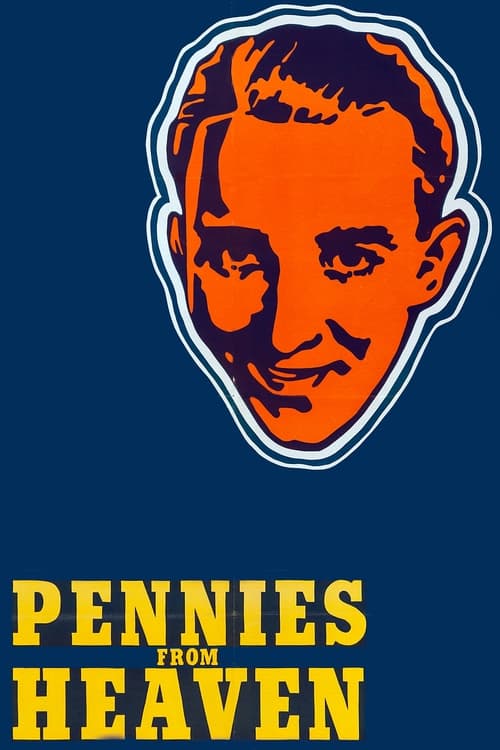
Pennies from Heaven is a period piece reflecting the social and demographic norms of the 1930s. It functions as a conventional musical comedy that reinforces existing hierarchies rather than challenges them. The film's primary focus is on the economic hardships of the Great Depression. While it addresses poverty and the welfare system, it does so through a lens of traditional morality and institutional reliance. Representation is limited, with a narrative centered on a homogeneous cast and standard romantic clichés. The film lacks depth in addressing multiple aspects of diversity, focusing instead on a singular, traditional social perspective.
Category Breakdown
The film follows strict assumptions that everyone is straight or cisgender. There are no non-binary gender identities or same-sex relationships shown.
Susan Sprague has a professional role as a welfare worker but mainly intervenes in traditional 1930s domestic lives. Her role highlights the traditional gender dynamics of the time.
The film depicts a largely homogeneous urban environment. It centers on white, working-class experiences typical of the American musical tradition of the era.
The story deals with the socioeconomic challenges of the Great Depression. It relies on established institutions and individual benevolence without questioning Western social structures.
The film focuses on economic hardship rather than physical or neurological disabilities. No characters with disabilities are shown taking an active role.
Present on Screen
Limited or Absent
Official Synopsis
Larry Poole, in prison on a false charge, promises an inmate that when he gets out he will look up and help out a family. The family turns out to be a young girl, Patsy Smith, and her elderly grandfather who need lots of help. This delays Larry from following his dream and going to Venice and becoming a gondolier. Instead, he becomes a street singer and, while singing in the street, meets a pretty welfare worker, Susan Sprague. She takes a dim view of Patsy's welfare under the guardianship of Larry and her grandfather and starts proceedings to have Patsy placed in an orphanage.
1951

1933

1940

1981
1939

1938

1944
1944
No reviews yet. Be the first to share your thoughts on this movie!
Use the rating form above to leave a star rating and optional review.