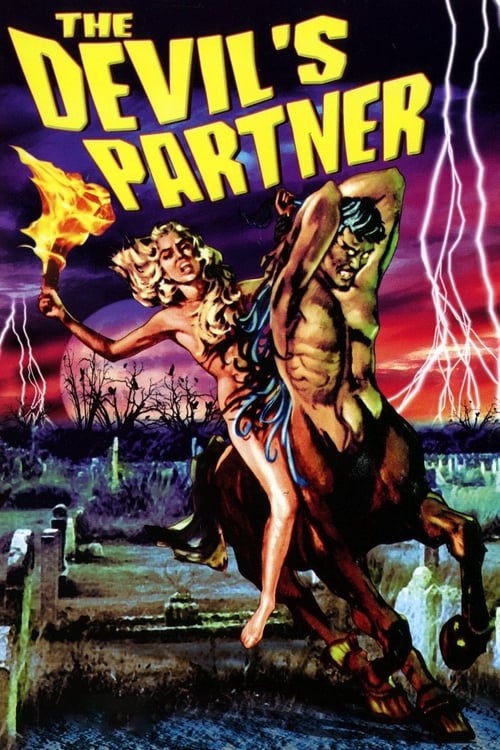
Devil's Partner
1961
No user ratings available yet
Diversity score: 1.9 out of 10

1961
Director
Herbert L. Strock, Curt Siodmak
Runtime
72 minutes
Average Rating
No ratings yetSynopsis
In this feature version of the Swedish TV series "13 Demon Street," a 50,000-year-old woman is found frozen in an ice field, and a man's death is foretold in dreams.
Overall Score
Limited
Category Breakdown
LGBTQ+ Representation
The film adheres to the heteronormative social constraints of early 1960s horror. There is no evidence of non-cisnormative gender identities or same-sex intimacy within the anthology.
Gender Representation
The narrative relies on traditional gender roles prevalent in mid-century horror. Women do not appear to exercise agency to disrupt patriarchal hierarchies or conventional dynamics.
Racial & Ethnic Diversity
As an adaptation of a Swedish series, the film features a predominantly Eurocentric cast. There is no indication of a diverse, non-Anglo-Saxon majority.
Religious & Cultural Diversity
The film operates within a traditional horror framework using morality as a binary construct. It lacks narratives that challenge established institutions or Western norms.
Disability Representation
There is no information regarding the inclusion of neurodivergent characters or individuals with physical disabilities. No specific instances of such representation are confirmed.
Strengths
Areas for Improvement
AI Analysis
The Devil's Messenger is a product of its era, functioning as a standard genre anthology that reflects the social hierarchies of the early 1960s. The creative team follows mid-century horror conventions rather than attempting to subvert social norms through intersectional storytelling. The film's reliance on Eurocentric casting and traditional gender roles results in a homogeneous viewing experience. It lacks the intentionality needed to disrupt conventional expectations regarding identity or cultural power dynamics. Ultimately, the work serves as a historical snapshot of genre filmmaking, prioritizing supernatural dread and moral binaries over diverse or inclusive character development.
1961
1963
1971
1964
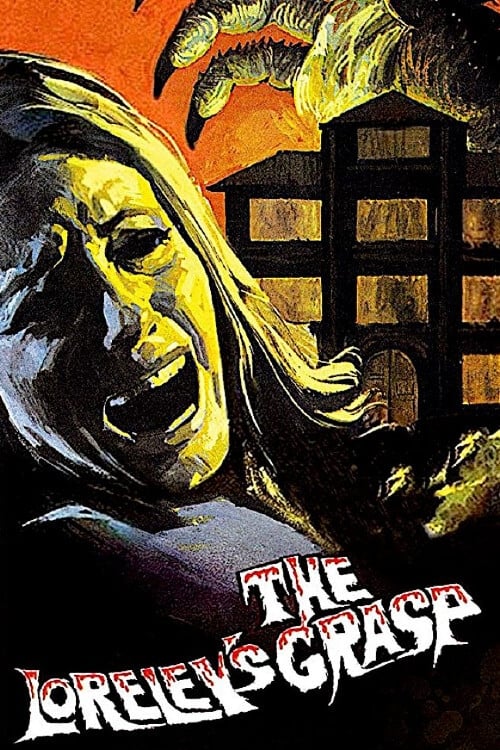
1973
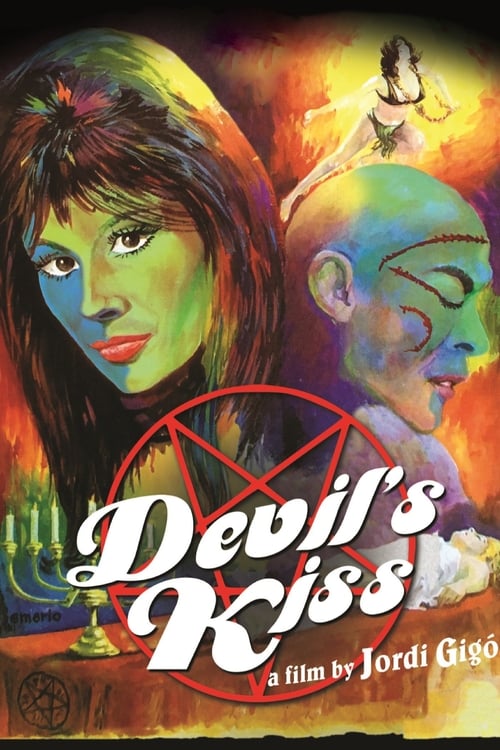
1975
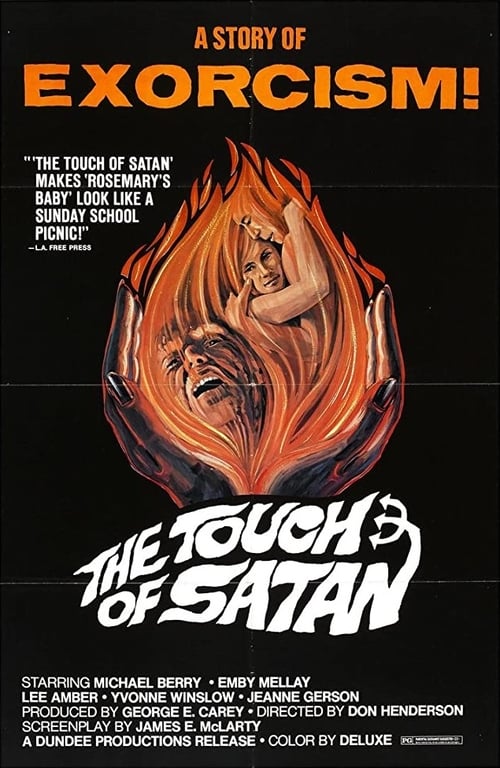
1971
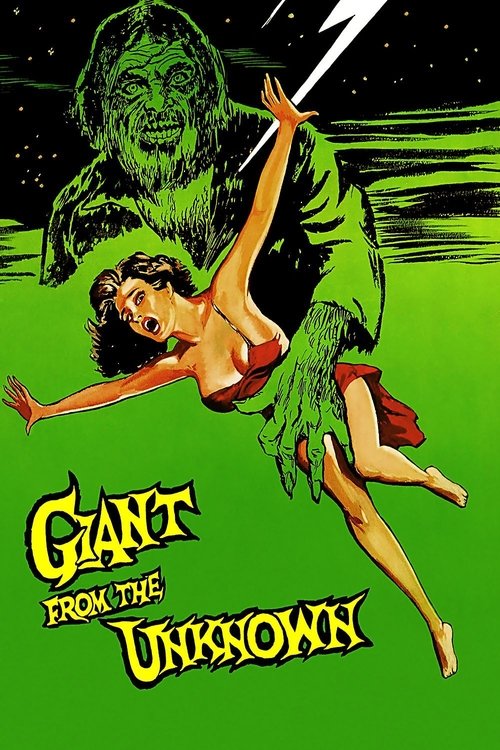
1958
1973
1975
1971
1965
No reviews yet. Be the first to share your thoughts on this movie!
Use the rating form above to leave a star rating and optional review.