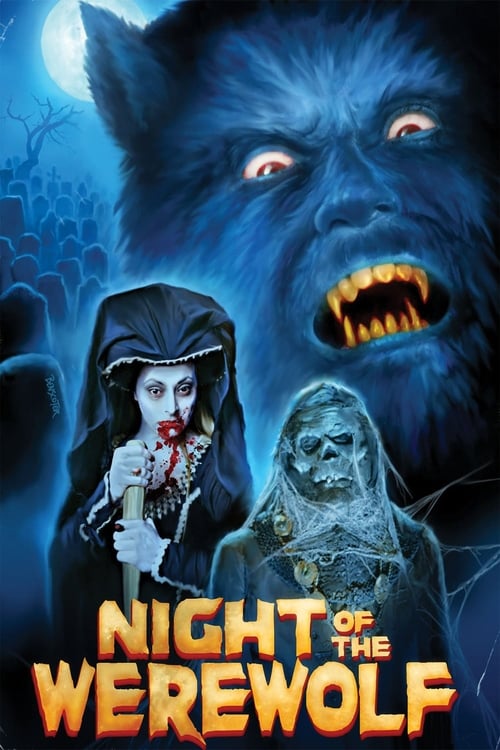
Night of the Werewolf
1981
No user ratings available yet
Representation score: 3.0 out of 10
Representation Score
Minimal
1973
RDirector
Amando de Ossorio
Runtime
85 minutes
Average Rating
No ratings yetNew Showbiz Analysis
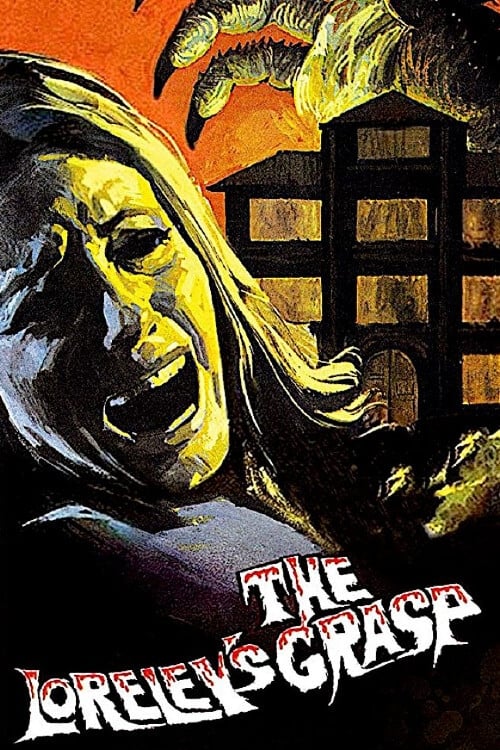
The Loreley's Grasp operates within the strict genre conventions of 1970s European horror. It relies on a binary conflict between a supernatural predator and a heroic male hunter, limiting opportunities for diverse character development. The narrative structure reinforces traditional social hierarchies. Women are cast as targets, while men are active agents of resolution, adhering to period-specific clichés rather than exploring multiple aspects of identity. While the film effectively uses regional folklore, it lacks the complexity needed to go beyond a standard monster feature framework. The focus remains on mythic archetypes rather than nuanced social representation.
Category Breakdown
The film centers on a mythological conflict involving a boarding school and a hunter. There are no non-binary or transgender identities or critiques of the assumption that everyone is straight or cisgender.
Female characters are mainly portrayed as victims within the boarding school setting. The male protagonist, Sigurd, plays a significant role in driving the story and acts as the protector.
The film's German setting and folklore suggest a culturally uniform European backdrop. The narrative implies a traditional Western European demographic typical of the time.
The story follows a traditional 'monster vs. hero' morality using established European myths. It does not challenge Western institutions or promote secularism.
There is no information available regarding the portrayal of physical or neurodivergent disabilities in this film.
Present on Screen
Limited or Absent
Official Synopsis
The legendary Loreley has been living for centuries in a grotto beneath the river Rhein in Germany. Every night when the moon is full, she turns into a reptile-like creature craving for human blood. When one girl after another of a nearby boarding school is killed by her, a hunter named Sigurd is engaged to kill the monster.
1981
1960
1973
1964

1973

1973
1974
1972
No reviews yet. Be the first to share your thoughts on this movie!
Use the rating form above to leave a star rating and optional review.