Baron Blood
1972
No user ratings available yet
Representation score: 2.7 out of 10
Representation Score
Minimal
1971
Director
Filippo Walter Ratti
Runtime
90 minutes
Average Rating
No ratings yetNew Showbiz Analysis
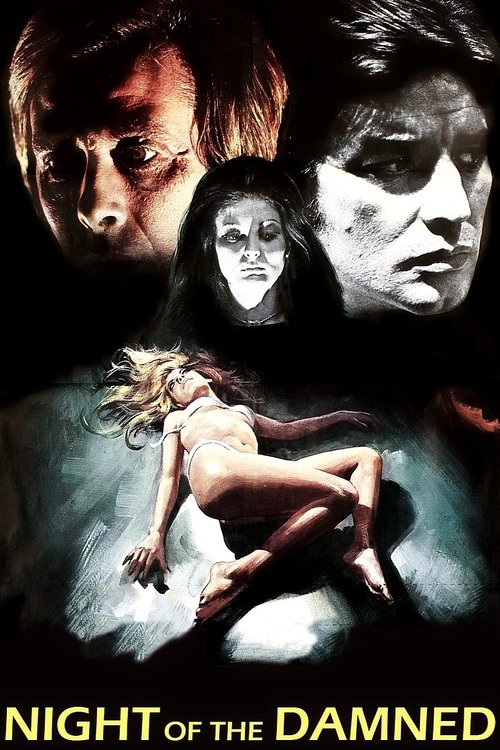
Night of the Damned is a conventional gothic horror film that relies heavily on established genre clichés. The narrative centers on supernatural conflict and traditional power dynamics rather than addressing social or systemic issues. The film maintains a narrow demographic focus, featuring a Eurocentric, straight-centered cast. It adheres to mid-20th-century cinematic standards where characters function as archetypes within a rigid social hierarchy. While the female antagonist plays a significant role in driving the plot, she is portrayed as a villain. The film lacks intentional diverse representation or varied perspectives.
Category Breakdown
The story focuses on heterosexual relationships, such as a married couple and a husband and wife. There are no representations of LGBTQ+ identities or same-sex relationships.
The female antagonist plays a significant role in driving the plot through black magic, even though her power is portrayed negatively. The male protagonist serves as the main investigator.
The setting features a predominantly white cast typical of period gothic horror. There is no evidence of racial diversity or different ethnic backgrounds among the noble family or servants.
The film upholds traditional social structures like nobility and marriage. It presents black magic as an inherently evil force within a framework of traditional morality.
A character's unspecified illness is used solely as a plot device for the antagonist. The film does not provide meaningful or empowered portrayals of physical or neurodivergent disabilities.
Present on Screen
Limited or Absent
Official Synopsis
Jean Duprey and his wife Danielle are famous journalists with a special interest in unsolved mysteries. They receive a request of help by an old noble friend of Jean, Guillaume de Saint Lambert, who is about to die by an unknown illness. He lives, obviously, in ancient castle with his wife and the servants. Soon Duprey discover that his friend's wife is a witch (originally burnt in the 18th century) and that Guillaume is under her wicked influence. She practices the art of black magic and by making die slowly all members of the Saint Lambert family she gains eternal beauty. When Duprey breaks the marble casket containing the ashes of the witch she shows her real aspect before dying.
1972
1960
1978
1964

1962
1972
1973
1966
No reviews yet. Be the first to share your thoughts on this movie!
Use the rating form above to leave a star rating and optional review.