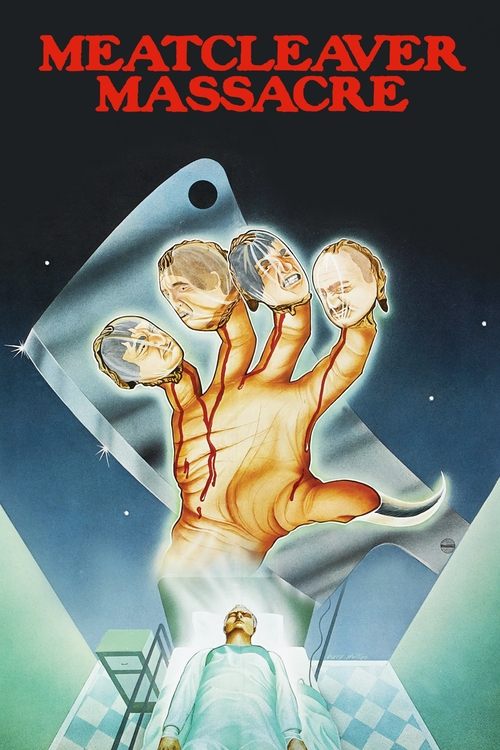
Meatcleaver Massacre
1977
No user ratings available yet
Representation score: 1.8 out of 10
Representation Score
Minimal
1973
PGDirector
Ted V. Mikels
Runtime
73 minutes
Average Rating
No ratings yetNew Showbiz Analysis
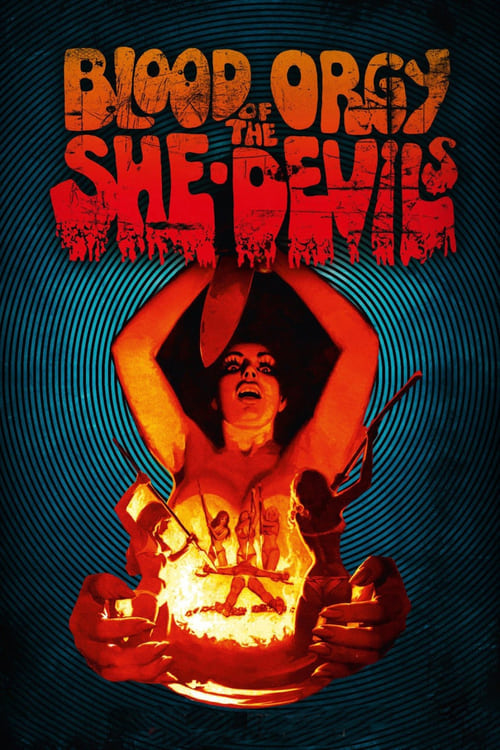
Blood Orgy of the She-Devils primarily functions as a genre-driven exploitation film. Its most notable diversity feature is the subversion of traditional gender roles, giving women central ability to act and ritualistic power. However, these elements are secondary to the film's sensationalist goals. The absence of racial, LGBTQ+, and disability representation limits its demographic reach. Ultimately, the film reflects the narrow production constraints and demographic norms of 1970s horror cinema.
Category Breakdown
The film does not include any non-cisgender gender identities or same-sex relationships. It focuses solely on heterosexual relationships and cult rituals.
The film challenges traditional gender roles by centering a group of women as the main drivers of the plot. However, their actions are often highlighted for sensational effect rather than deep character development.
The cast is predominantly white and reflects the homogeneity typical of 1970s exploitation cinema. There is no significant representation of diverse racial backgrounds or multi-layered character depth.
A cult framework serves as the main source of conflict, depicting non-traditional spiritual practices as sources of horror. This functions as a genre device rather than a sophisticated critique of cultural beliefs.
The film does not address neurodivergence, physical disabilities, or mental health issues. Characters with visible or invisible disabilities are not included in the story.
Present on Screen
Limited or Absent
Official Synopsis
Lorraine and Mark enter the world of witchcraft where Mara foretells the future and helps them remember their past lives. When a series of mysterious murders begin to occur, they turn to Dr. Helsford for advice.
1977
1972
1957
1977
1973

1975
1969
1971
No reviews yet. Be the first to share your thoughts on this movie!
Use the rating form above to leave a star rating and optional review.