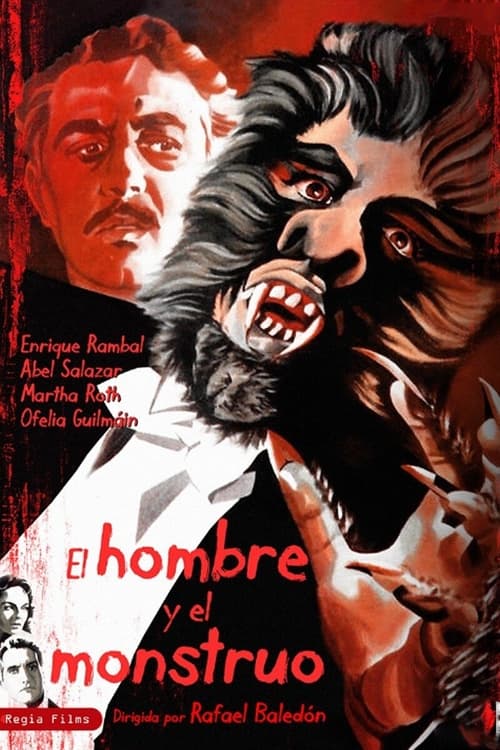
The Man and the Monster
1959
No user ratings available yet
Representation score: 3.5 out of 10
Representation Score
Minimal
1961
NRDirector
Charles R. Rondeau
Runtime
73 minutes
Average Rating
No ratings yetNew Showbiz Analysis
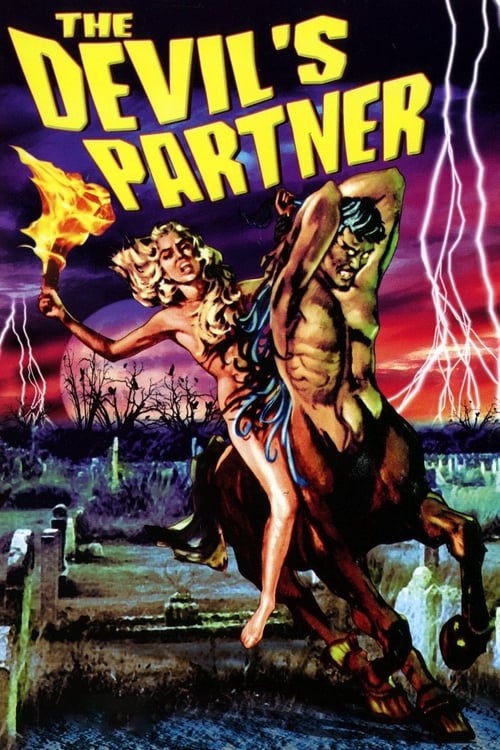
Devil's Partner is a product of its time, functioning as a standard genre piece that adheres to the social hierarchies of the early 1960s. The narrative is driven by male desire and supernatural competition, leaving little room for diverse perspectives. The film relies heavily on established folklore and supernatural morality clichés, which reinforce conventional social structures rather than challenging them. Ultimately, the film lacks intentionality regarding multi-layered representation, focusing instead on a narrow, traditional demographic and a straight-centered romantic framework.
Category Breakdown
The film centers on a traditional rivalry between men over a woman, with no depiction of same-sex relationships or non-binary identities.
Female characters are portrayed as prizes to be won through supernatural means, reinforcing a patriarchal framework where women have limited control over their lives.
The film does not feature a diverse cast and seems to follow the homogeneous casting practices common in 1961 horror films.
The plot relies on traditional religious morality and folklore, particularly the 'deal with the devil' cliché, which reinforces conventional cautionary tales.
There are no characters with visible or invisible disabilities in the narrative.
Present on Screen
Limited or Absent
Official Synopsis
An old man sells his soul to the devil, and turns into a young man. He then uses witchcraft and black magic to win a woman from his rival.
1959
1960
1968
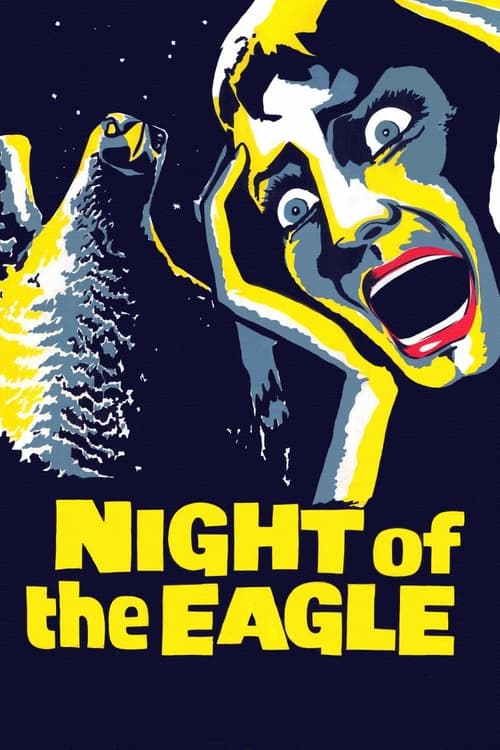
1962
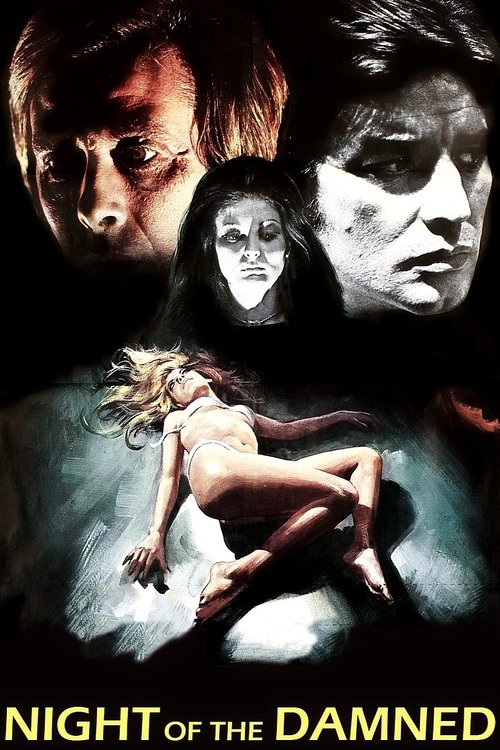
1971
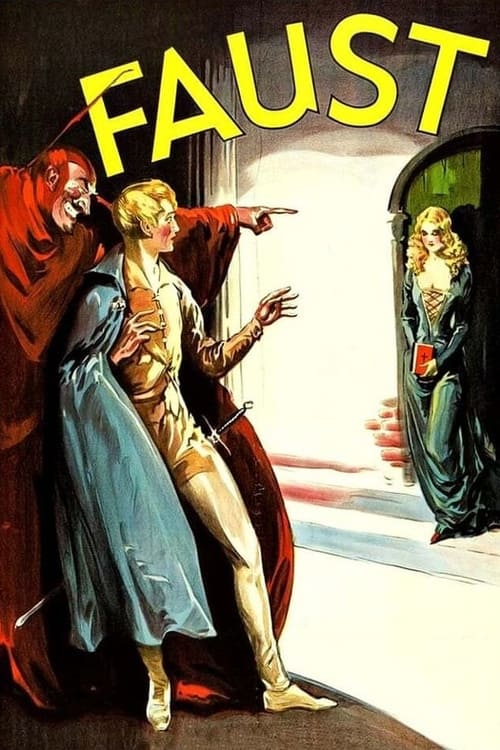
1926
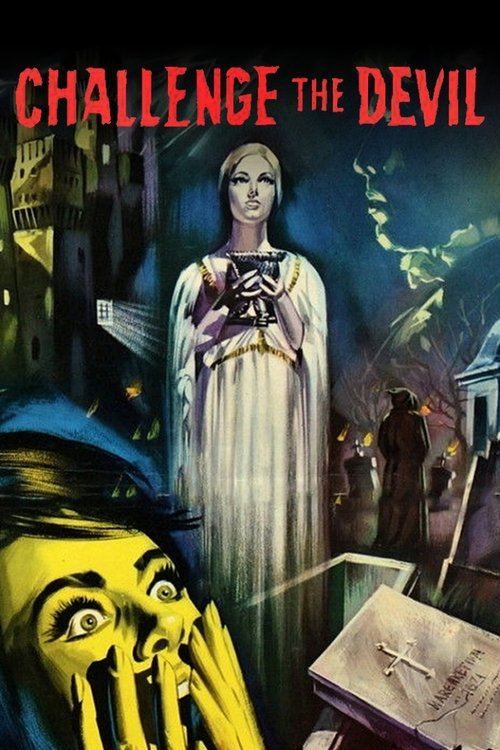
1963
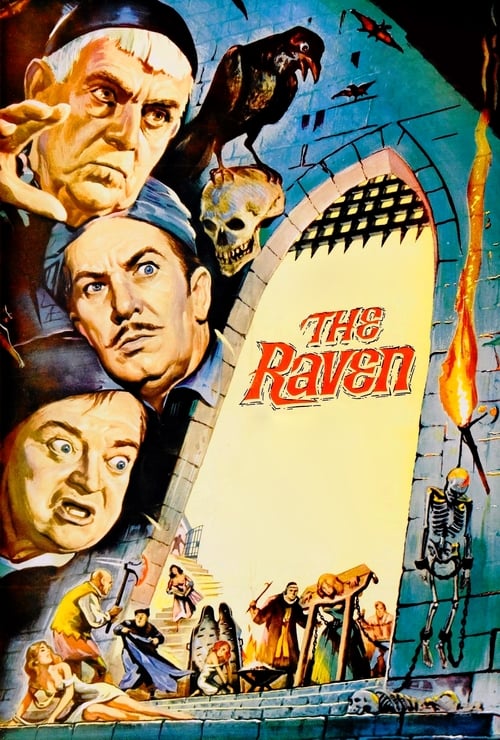
1963
No reviews yet. Be the first to share your thoughts on this movie!
Use the rating form above to leave a star rating and optional review.