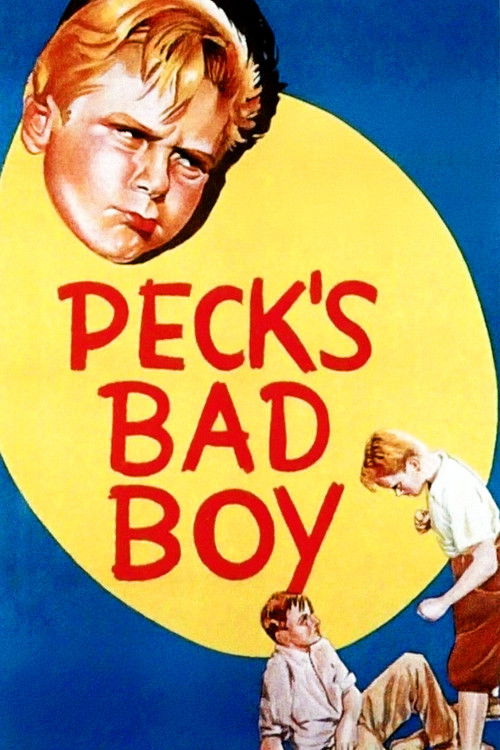
Peck's Bad Boy
1934
No user ratings available yet
Representation score: 0.5 out of 10
Representation Score
Minimal
1927
NRDirector
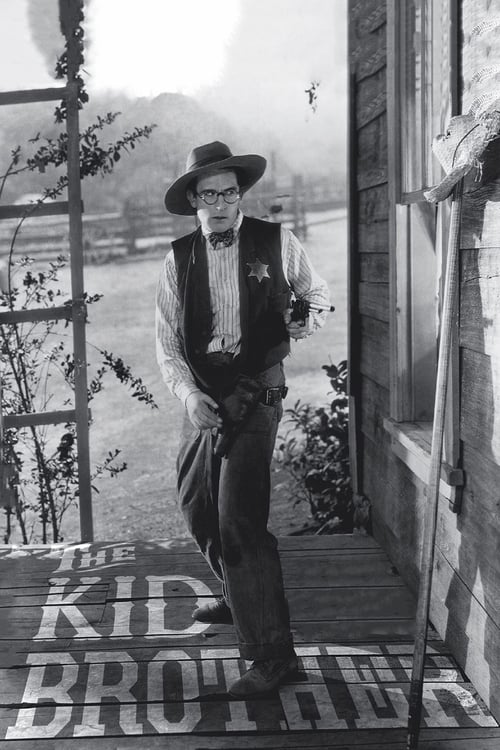
Ted Wilde, Harold Lloyd
Runtime
82 minutes
Average Rating
No ratings yetNew Showbiz Analysis
The Kid Brother is a quintessential product of its era, functioning as a narrative of social integration rather than disruption. It prioritizes the classic triumph of the individual within a stable, traditionalist framework. The film's structure reinforces traditional hierarchies of gender, race, and family structure. It lacks the complexity or intentional subversion of norms required for a higher progressive score. Ultimately, the work upholds the social and familial institutions of the early 20th century, offering a localized and culturally uniform experience.
Category Breakdown
The film does not include LGBTQ+ identities or same-sex relationships. Its love story follows traditional heterosexual scripts typical of the 1920s.
Gender dynamics focus on traditional hierarchies and patriarchal respect. While a female character motivates the protagonist, the narrative prioritizes male-driven actions and masculine competence.
The setting is homogeneous and culturally uniform. There is no evidence of racial blending or the inclusion of non-Anglo-Saxon characters.
The story upholds traditional Western values like family hierarchy and individual merit. It validates existing social institutions without critiquing them.
Disabilities are not shown with real impact. The humor relies on physical slapstick and situational mishaps rather than the experiences of impairment or neurodivergence.
Present on Screen
Limited or Absent
Official Synopsis
The timid youngest son of the most important family in town must use his wits to win the respect of his strong father and the love of a beautiful new woman in town.
1934

1928
1926

1928
1928
1928
1929
1925
No reviews yet. Be the first to share your thoughts on this movie!
Use the rating form above to leave a star rating and optional review.