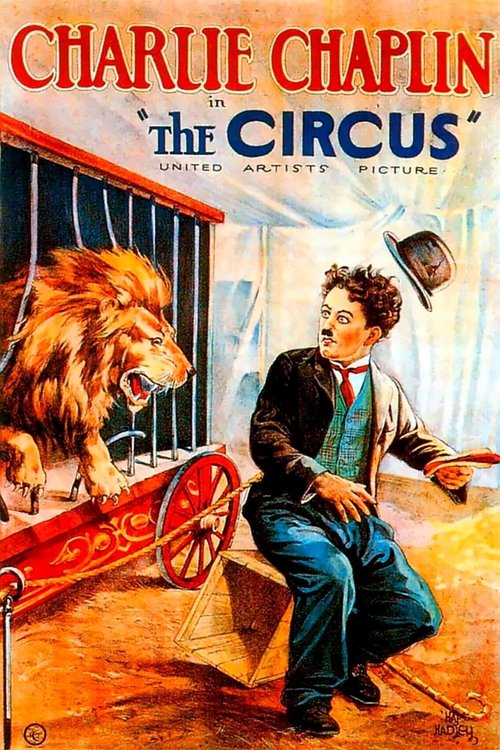
The Circus
1928
No user ratings available yet
Representation score: 3.9 out of 10
Representation Score
Limited
1928
NRDirector
Charles Reisner, Buster Keaton
Runtime
70 minutes
Average Rating
No ratings yetNew Showbiz Analysis
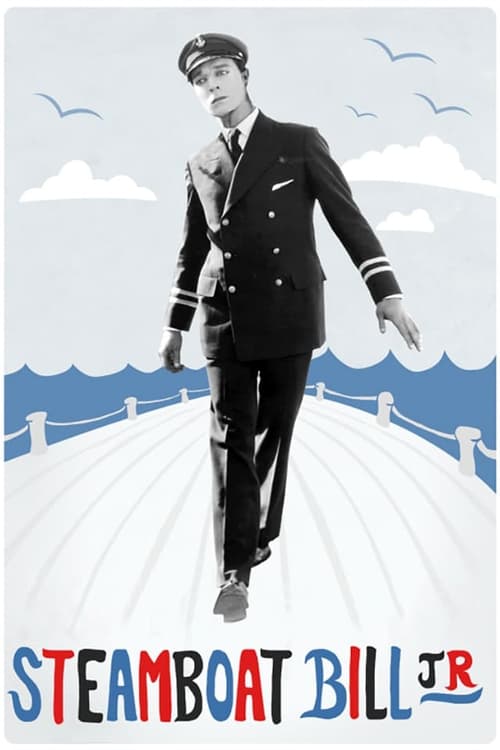
Steamboat Bill, Jr. is a product of its time, focusing on generational conflict within a homogeneous society. It does not engage with modern identity politics or diverse cultural frameworks. One of the film's strengths is its portrayal of a traditionally competent male archetype being challenged by an effete protagonist, which subverts the era's expectations of stoic leadership. However, the film remains constrained by the social norms of 1928. It lacks female, non-white, or LGBTQ+ characters, resulting in a narrow focus on white, male familial tensions.
Category Breakdown
The film centers on traditional heterosexual family structures and does not include any queer identities or subtext.
The story emphasizes male relationships, particularly between a father and son. Although it avoids overly macho stereotypes by showing an effete protagonist, the absence of female characters limits the exploration of gender roles.
The film depicts a predominantly white American maritime setting from the 1920s, with no characters of non-European descent.
The film critiques patriarchal authority through the protagonist’s struggle against his father. However, it uses slapstick humor instead of addressing broader social issues.
The protagonist's physical clumsiness drives the plot. While this avoids the invincible hero cliché, it primarily uses physical struggles for comedic effect.
Present on Screen
Limited or Absent
Official Synopsis
The just-out-of-college, effete son of a no-nonsense steamboat captain comes to visit his father whom he's not seen since he was a child.
1928

1924
1932
1928
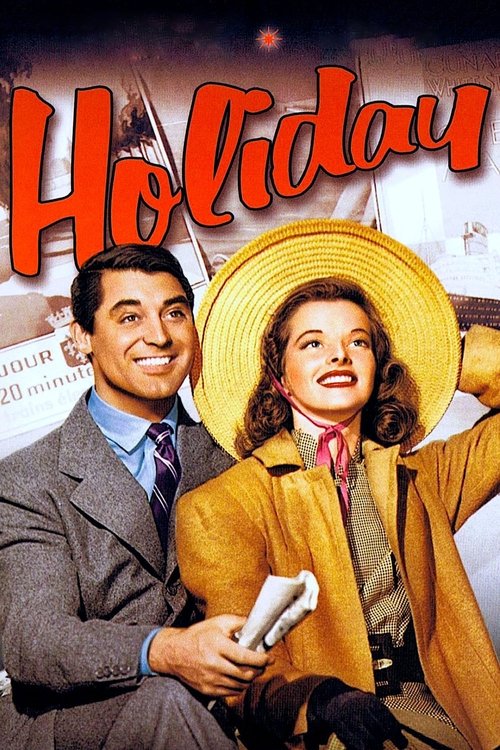
1938
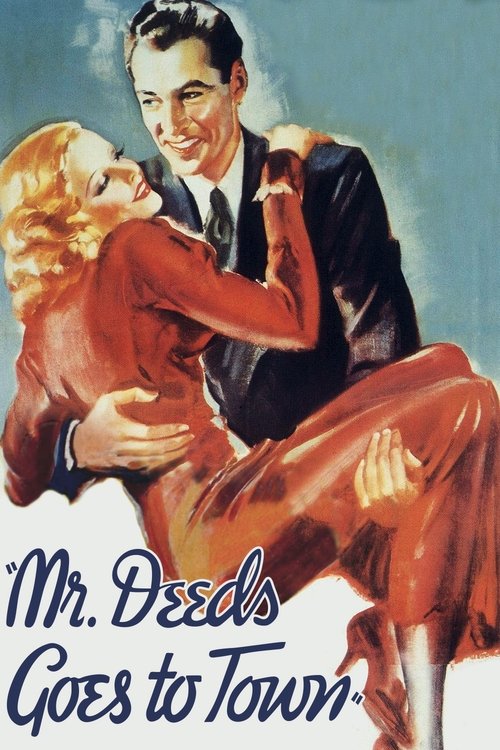
1936
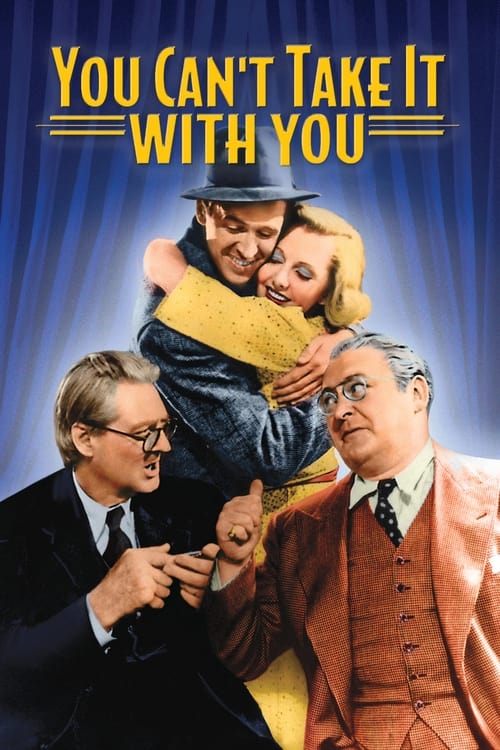
1938
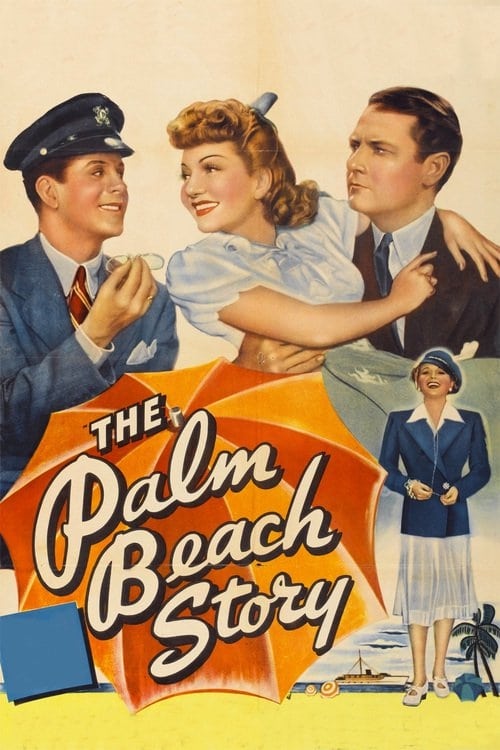
1942
No reviews yet. Be the first to share your thoughts on this movie!
Use the rating form above to leave a star rating and optional review.