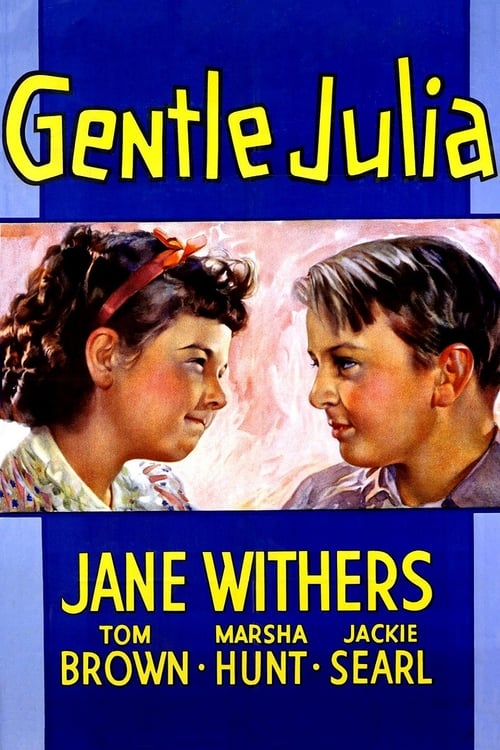
Gentle Julia
1936
No user ratings available yet
Representation score: 1.3 out of 10

Representation Score
Minimal
1926
PassedDirector
Frank Tuttle
Runtime
76 minutes
Average Rating
No ratings yetNew Showbiz Analysis
Frank Tuttle’s 1926 film is a conventional domestic drama that prioritizes sibling dynamics over social critique. It functions as a standard comedy of its era, focusing on the interpersonal friction between Mame and Janie Walsh. The film reinforces existing social hierarchies rather than challenging them. By centering the plot on moral duty and familial obligation, it adheres to the traditional narrative structures of the 1920s. Ultimately, the work lacks depth in reflecting multiple aspects of identity. It provides visibility for women through its central female characters but remains rooted in the homogeneous demographic standards of the period.
Category Breakdown
The film does not include any non-straight or non-cisgender identities. Romantic elements follow traditional conventions without exploring queer themes.
The story focuses on the conflict between two sisters, Mame and Janie Walsh. While Mame shows significant involvement in the plot, the narrative relies on traditional stereotypes of responsible versus wayward women.
There is no evidence of non-white or diverse ethnic representation. The film reflects the homogeneous demographics typical of 1920s urban domestic comedies.
The narrative emphasizes Western values such as the sanctity of deathbed promises. It reinforces the importance of the nuclear family and social responsibility.
No characters with physical, sensory, or neurodivergent disabilities are included. There is no portrayal of disability or related ability to act.
Present on Screen
Limited or Absent
Official Synopsis
Mame Walsh promised their mother on her deathbed to look after little sister Janie. But Janie helps herself to everything of her sister's, be it her clothes or her men - even the money entrusted to her by fellow employees at the store they work at. Regardless, Mame can't break her promise. So when it comes to getting Janie out of trouble, big sister comes to the rescue.
1936
1927
1933

1921

1931
1935
1929

1939
No reviews yet. Be the first to share your thoughts on this movie!
Use the rating form above to leave a star rating and optional review.