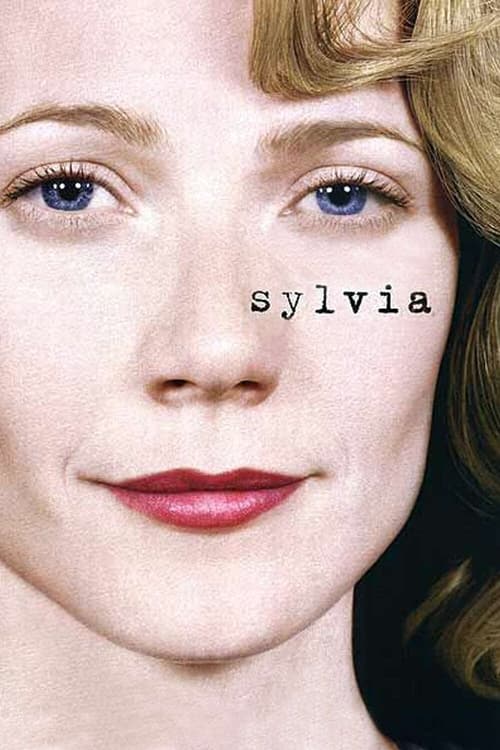
Sylvia
2003
No user ratings available yet
Representation score: 6.4 out of 10

Representation Score
Good
2017
PG-13Director
Haifaa al-Mansour
Runtime
120 minutes
Average Rating
No ratings yetNew Showbiz Analysis
Director Haifaa al-Mansour transforms a biographical period piece into a study of individual empowerment against systemic constraints. The film stands out by emphasizing female intellectual autonomy and challenging traditional domestic roles in historical dramas. However, the film's dedication to historical accuracy restricts its demographic range. The cast remains racially uniform, and the narrative does not address LGBTQ+ identities or specific disabilities, resulting in lower scores in these areas. Overall, the film shines in its progressive critique of Western institutions. It celebrates the power of the human mind to overcome the restrictive social and religious norms of the Regency era.
Category Breakdown
The film focuses on the historical romance between Mary and Percy Shelley, exploring unconventional intimacy for the time but does not include non-straight relationships or identities.
The movie highlights Mary Shelley's intellectual achievements and her role as a key figure in literature. It challenges the patriarchal structures of the 19th century by portraying her as someone who shapes her own destiny.
The cast is uniform, reflecting the historical context of the European Romantic era. The film stays true to the socio-historical setting of the early 1800s.
The story critiques religious and social frameworks from a secular perspective. It emphasizes human imagination and creativity over the restrictive doctrines of the time.
The film does not depict characters with specific physical or neurodivergent disabilities. It touches on themes of 'otherness' through the Frankenstein myth but lacks direct representation of disabilities.
Present on Screen
Limited or Absent
Official Synopsis
The love affair between poet Percy Shelley and Mary Wollstonecraft Godwin resulted in the creation of an immortal novel, “Frankenstein; or, The Modern Prometheus.”
2003
1995
2009
2015
2017
2012
2013
1993
No reviews yet. Be the first to share your thoughts on this movie!
Use the rating form above to leave a star rating and optional review.