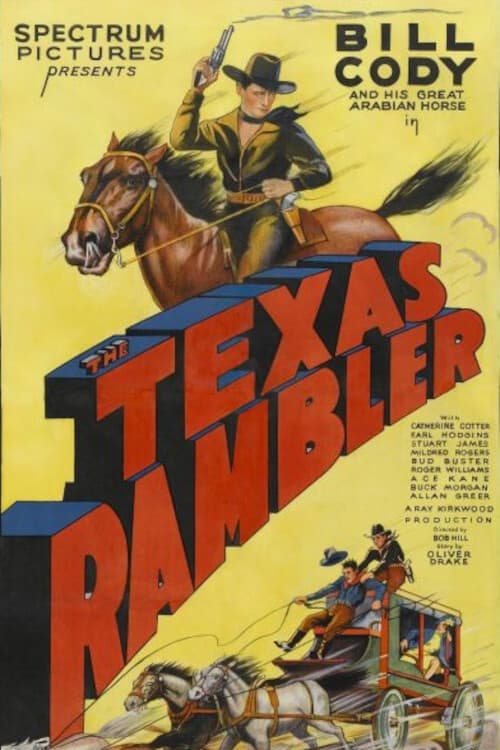
The Texas Rambler
1935
No user ratings available yet
Diversity score: 2.3 out of 10

1936
ApprovedDirector
Robert F. Hill
Runtime
60 minutes
Average Rating
No ratings yetSynopsis
Someone is adding beef to Rocky Brown's herds and changing the brands to make it look like he is rustling. Then he is framed for murder and jailed. Johnny Argyle who has been sent to investigate believes he is innocent and sets out to prove it and starts with hides that have been rebranded.
Overall Score
Limited
Category Breakdown
LGBTQ+ Representation
The film lacks LGBTQ+ characters or non-cisnormative identities. It operates within the strict social and cinematic constraints of 1936.
Gender Representation
Agency is concentrated in male protagonists like Johnny Argyle and Rocky Brown. The narrative architecture centers on male-driven plot points and investigations.
Racial & Ethnic Diversity
The story reflects the homogeneous casting norms of the 1930s. It focuses on standard Western character archetypes without evidence of diverse casting.
Religious & Cultural Diversity
The plot emphasizes traditional Western ideals of law, order, and property rights. It upholds the integrity of the social order through a conventional morality tale.
Disability Representation
There is no mention of characters with visible or invisible disabilities. No information is available regarding disability representation in this production.
Strengths
Areas for Improvement
AI Analysis
Too Much Beef is a standard 1930s B-movie Western that adheres strictly to the genre conventions of its era. The narrative focuses on a linear morality tale involving cattle rustling, wrongful accusations, and the restoration of justice. The film lacks intersectional complexity, prioritizing traditional frontier tropes over diverse storytelling. Character agency is almost exclusively male-driven, and the social framework reflects the homogeneous norms of early Hollywood Westerns. Ultimately, the film serves as a period-typical example of the genre, emphasizing property rights and individual integrity without disrupting established social hierarchies.
1935
1937
1942
1943
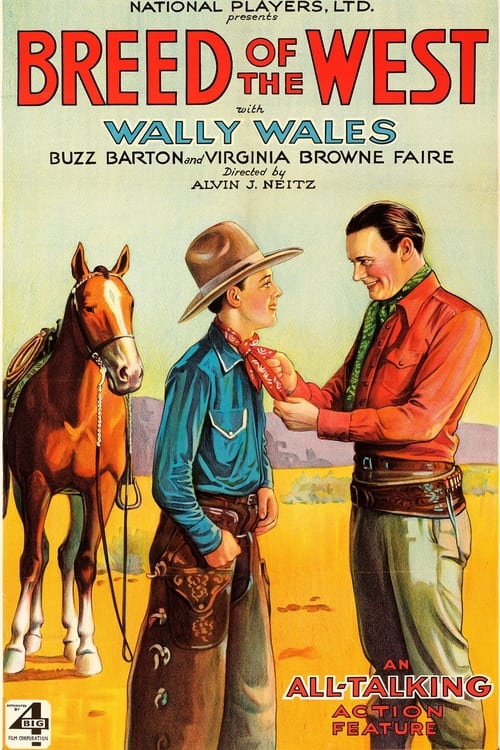
1930
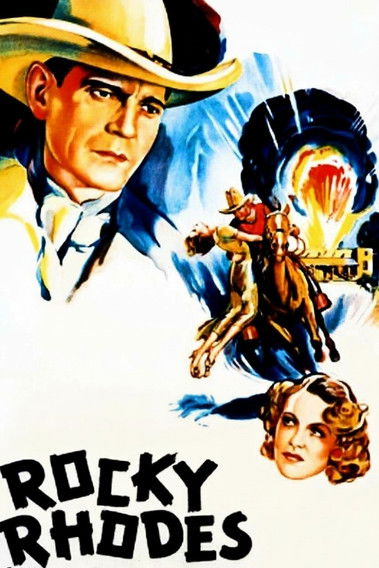
1934
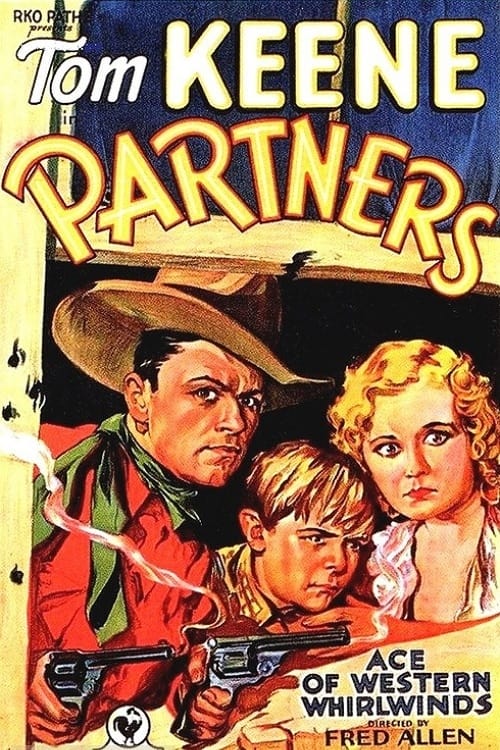
1932
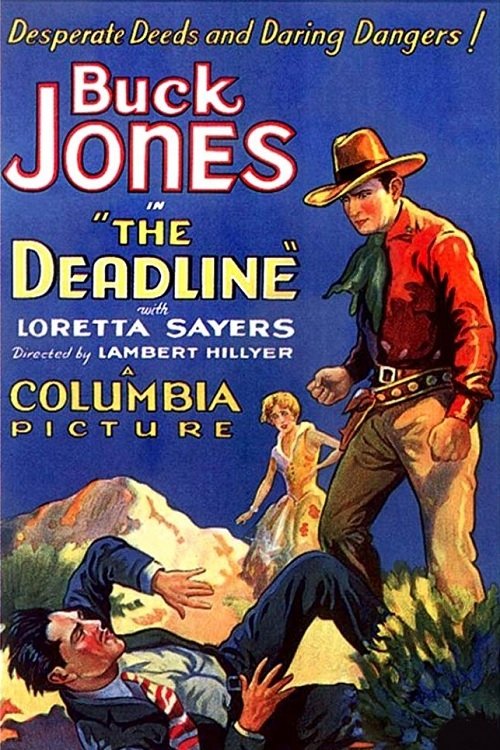
1931
1943

1944
1954

1930
No reviews yet. Be the first to share your thoughts on this movie!
Use the rating form above to leave a star rating and optional review.