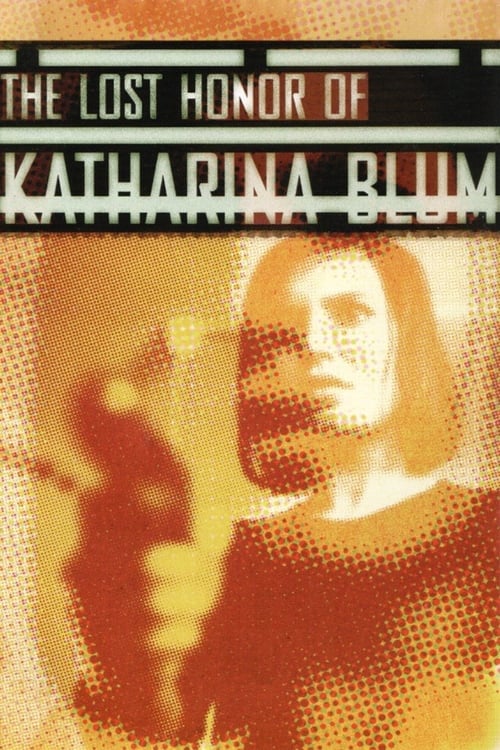
The Lost Honor of Katharina Blum
1975
No user ratings available yet
Representation score: 6.6 out of 10
Representation Score
Fair
1993
Director
Margarethe von Trotta
Runtime
89 minutes
Average Rating
No ratings yetNew Showbiz Analysis
Margarethe von Trotta’s direction effectively challenges traditional patriarchal power by placing a female professional at the center of a criminal and political landscape. However, the film’s impact is limited by its narrow cultural focus, which lacks broad demographic representation. Ultimately, the film is a focused study of gender and communal morality, prioritizing the subversion of traditional gender hierarchies over broader inclusivity.
Category Breakdown
The film does not include explicit LGBTQ+ characters or identities. It focuses on traditional social roles without exploring queer identities.
The film highlights a female gynecologist in a high-stakes political landscape, challenging traditional gender hierarchies. It emphasizes her intellect and professional resilience against patriarchal structures.
The cast is primarily white and European, reflecting a localized, homogeneous setting. There is minimal ethnic diversity in the film.
The film critiques traditional communal morality and institutionalized social judgment. It examines the psychological toll of adhering to rigid, conventional Western social structures.
There are no characters with disabilities that drive the narrative. Social isolation is a theme, but it is framed as social ostracization rather than disability.
Present on Screen
Limited or Absent
Official Synopsis
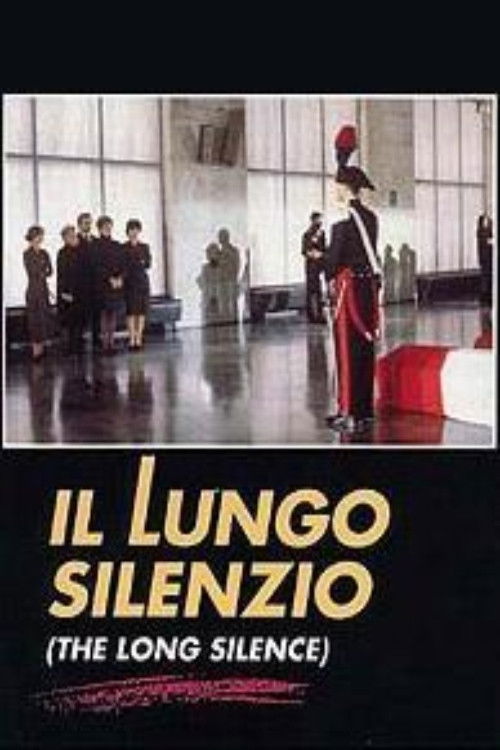
Carla Aldrovandi, a gynecologist, and her husband Marco Canova, a magistrate live on the front line of criminal and political powers in Italy. She is surrounded by terror and threats.
1975
2003
1977

1985
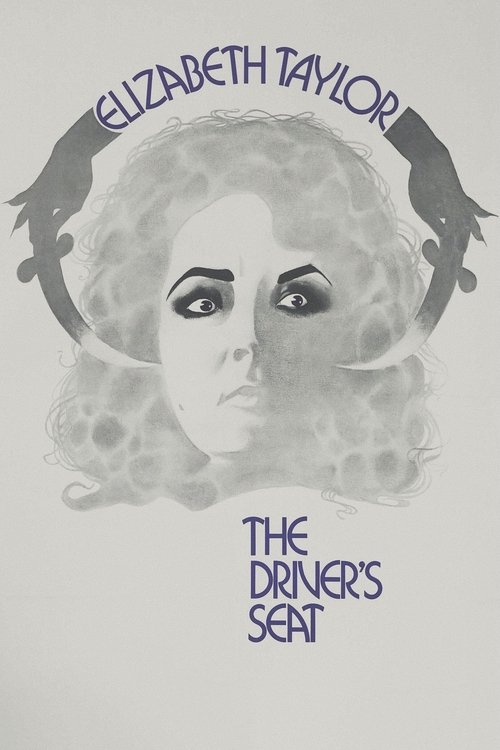
1974
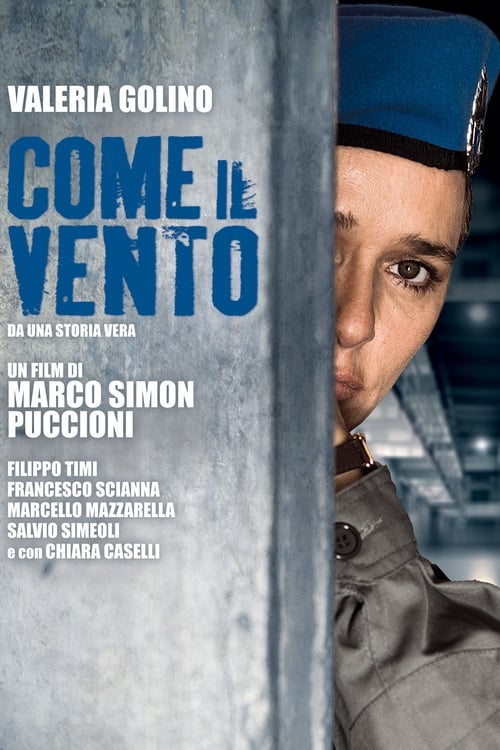
2013
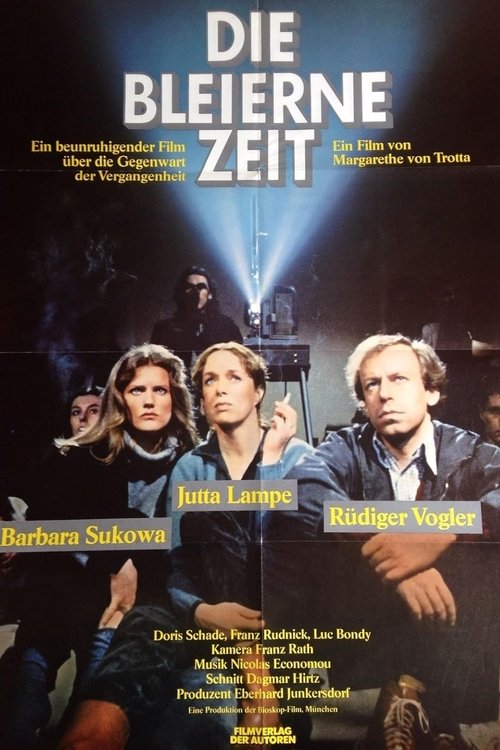
1981

2008
No reviews yet. Be the first to share your thoughts on this movie!
Use the rating form above to leave a star rating and optional review.