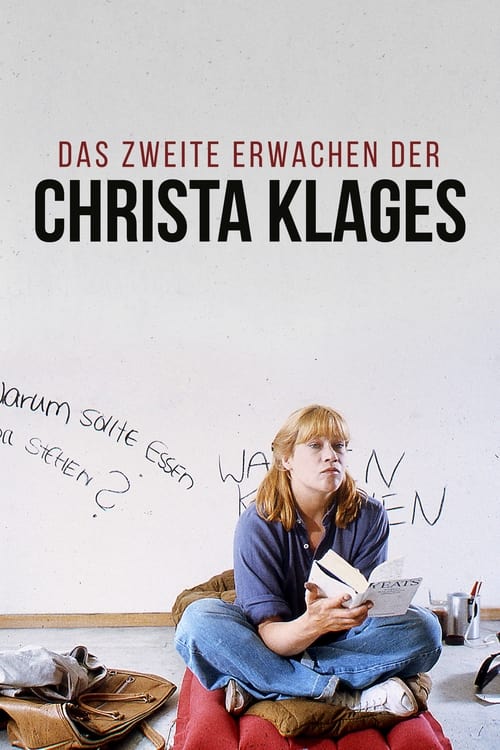
The Second Awakening of Christa Klages
1978
No user ratings available yet
Representation score: 5.0 out of 10
Representation Score
Good
1981
Director
Margarethe von Trotta
Runtime
106 minutes
Average Rating
No ratings yetNew Showbiz Analysis
Margarethe von Trotta’s work shifts the focus from traditional male-centric narratives to explore how women navigate radicalism and moral complexity. The film centers on women's ability to drive the story and intellectual struggles. While the film offers a nuanced critique of Western institutions, it reflects the demographic of the time, lacking diverse racial and LGBTQ+ representation. It focuses on the specific social context of the period depicted. Ultimately, the film's strength lies in its exploration of the profound impact of political struggle on individuals, avoiding simplistic moral resolutions.
Category Breakdown
The film does not include explicit LGBTQ+ characters or non-straight relationships. Instead, it focuses on sisterly bonds and heterosexual relationships within non-traditional social structures.
The film highlights female characters who take active roles in politics and intellectual pursuits, moving beyond traditional domestic roles.
Reflecting the homogeneous West German activist classes of the late 1960s, the film lacks racial diversity. However, it avoids harmful stereotypes and focuses on a specific social group.
The story critiques Western institutions, presenting the state and judicial systems as oppressive. It delves into the complex ethics of political violence and dehumanization.
The film examines the physical and mental impacts of political resistance, such as hunger strikes and prison isolation, highlighting the body's vulnerability under state control.
Present on Screen
Limited or Absent
Official Synopsis
Germany, 1968: The priest's daughters Marianna and Juliane both fight for changes in society, like making abortion legal. However their means are totally different: while Juliane's committed as a reporter, her sister joins a terroristic organization. After she's caught by the police and put into isolation jail, Juliane remains as her last connection to the rest of the world. Although she doesn't accept her sister's arguments and her boyfriend Wolfgang doesn't want her to, Juliane keeps on helping her sister. She begins to question the way her sister is treated.
1978

1975
1973

1977

1989

1981

1968
1975
No reviews yet. Be the first to share your thoughts on this movie!
Use the rating form above to leave a star rating and optional review.