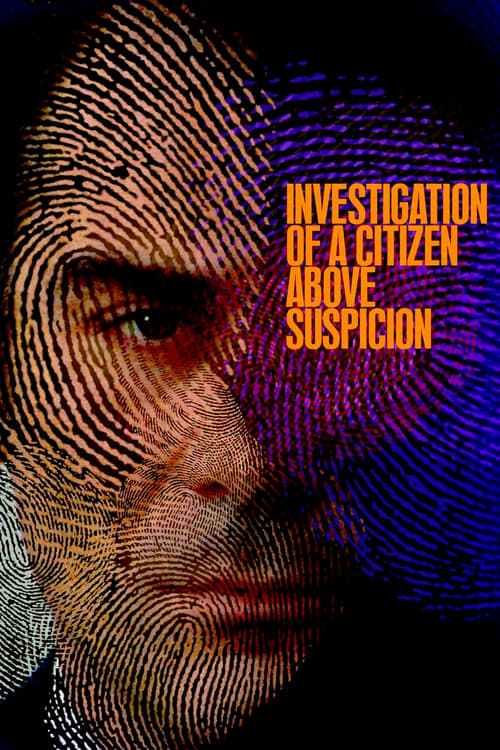
Investigation of a Citizen Above Suspicion
1970
No user ratings available yet
Representation score: 5.5 out of 10
Representation Score
Fair
1977
Director
Damiano Damiani
Runtime
120 minutes
Average Rating
No ratings yetNew Showbiz Analysis
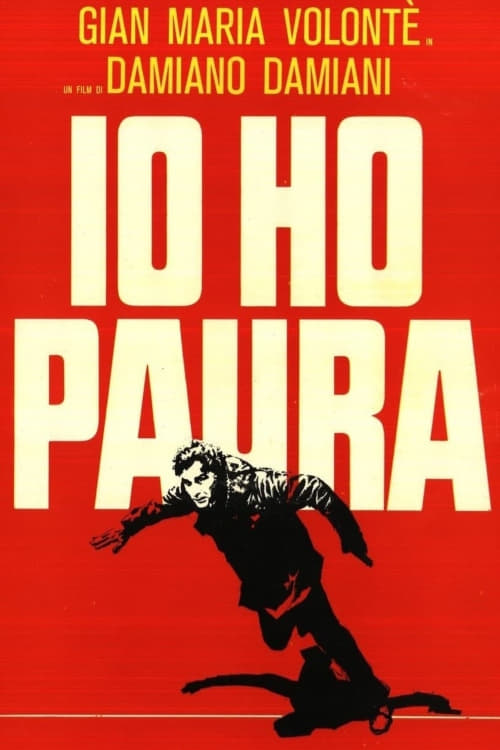
I Am Afraid is a socio-political critique that prioritizes the dismantling of state authority over diverse identity representation. Its strength lies in its examination of institutional corruption and systemic injustice during a period of Italian political turmoil. While the film successfully challenges the morality of the police and government, it remains within the conventional demographic frameworks of 1970s European cinema. The narrative structure is heavily focused on traditional masculine roles and institutional dynamics. Ultimately, the film's progressive value is found in its refusal to portray established institutions as inherently virtuous, despite a lack of diverse representation across gender, race, or sexual orientation.
Category Breakdown
The film does not include explicit LGBTQ+ characters or stories. Instead, it focuses on broader political issues rather than exploring non-straight identities.
The story centers around masculine roles such as law enforcement and legal authority. It does not challenge traditional gender hierarchies or highlight women's empowerment.
The cast reflects the Mediterranean population of 1970s Italy. There is no indication of diverse casting to challenge traditional social structures.
The film effectively questions the stability of Western institutions. It portrays the state and government as corrupt and oppressive rather than benevolent.
There is no evidence suggesting the portrayal of physical or neurodivergent disabilities in this film.
Present on Screen
Limited or Absent
Official Synopsis
During a wave of political violence in Italy, a policeman who's already survived an assassination is assigned to act as a bodyguard to a morally upright judge. He feels increasingly fearful as the links of the upper echelons of police and government to the violence become clear.
1970
1970
1972
1990

1997

1994
1974
1975
No reviews yet. Be the first to share your thoughts on this movie!
Use the rating form above to leave a star rating and optional review.