Mickey
1918
No user ratings available yet
Representation score: 2.5 out of 10
Representation Score
Minimal
1925
NRDirector
William Beaudine
Runtime
95 minutes
Average Rating
No ratings yetNew Showbiz Analysis
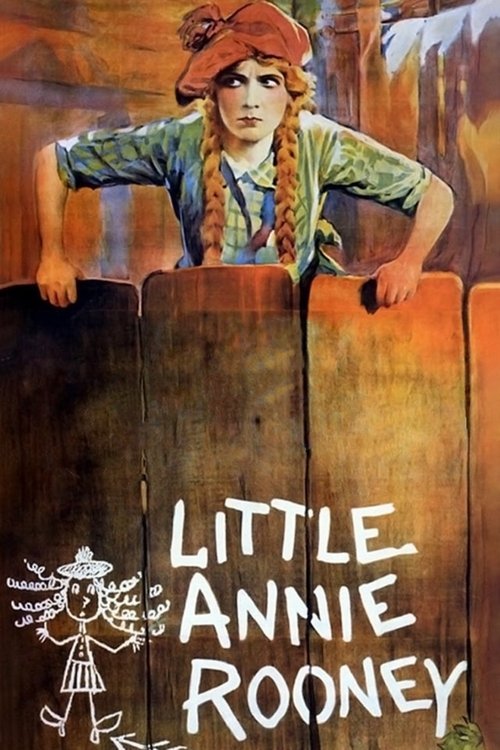
Little Annie Rooney is a product of the silent era, reflecting the social structures of the mid-1920s. Its main strength is the spirited, actively leading female lead who challenges traditional gender roles. However, the film lacks diverse representation. The narrative structure reinforces traditional social frameworks rather than disrupting them. While the protagonist offers a fresh perspective, the film falls short in representing racial, LGBTQ+, and disability diversity.
Category Breakdown
The film doesn't show any LGBTQ+ identities. Romantic relationships follow typical 1920s courtship traditions.
Annie Rooney breaks the usual passive female stereotype with her energetic and active role. She drives both the comedy and drama in the film.
The film has a mostly white cast. There is no significant representation of non-white characters in the urban setting.
The story highlights traditional family structures and community bonds. It supports established social and legal hierarchies through the depiction of a police officer father.
There are no characters with visible or invisible disabilities in the film. No such characters are used as part of the story.
Present on Screen
Limited or Absent
Official Synopsis
A feisty little girl, the daughter of a beat cop, faces the challenges of growing up in a tough city neighborhood.
1918
1927
1926
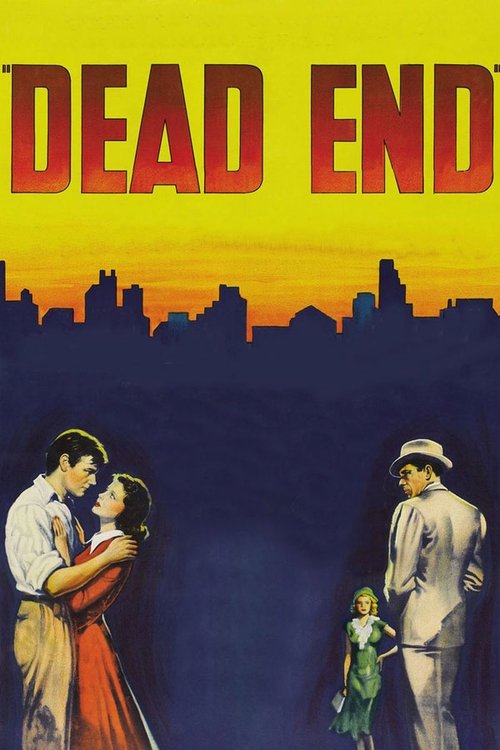
1937
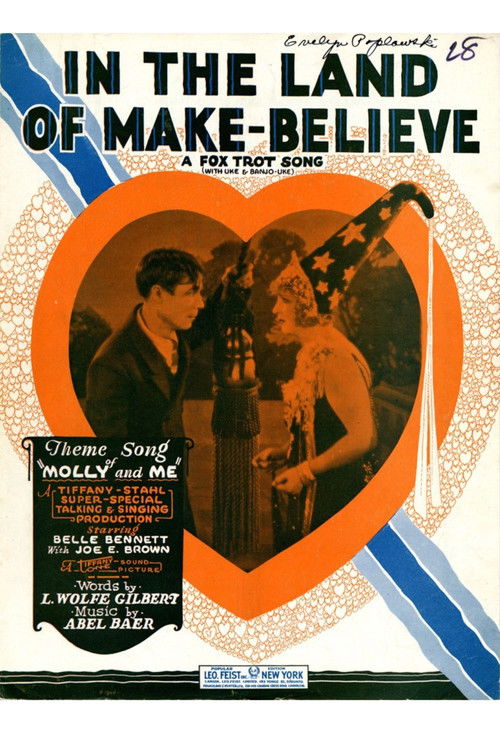
1929
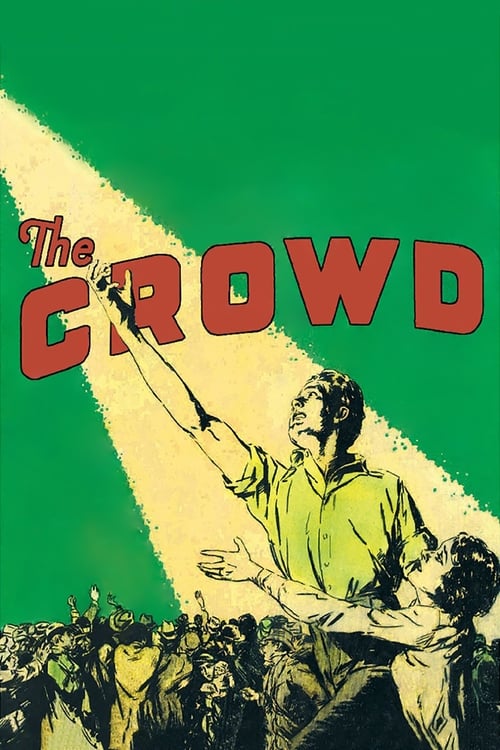
1928
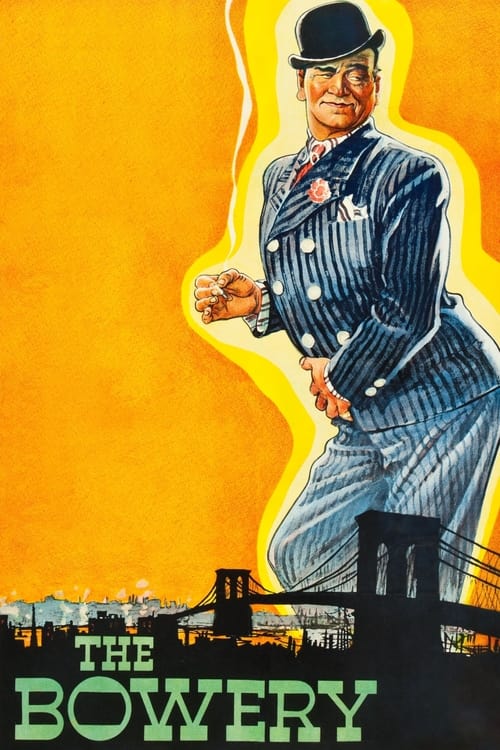
1933
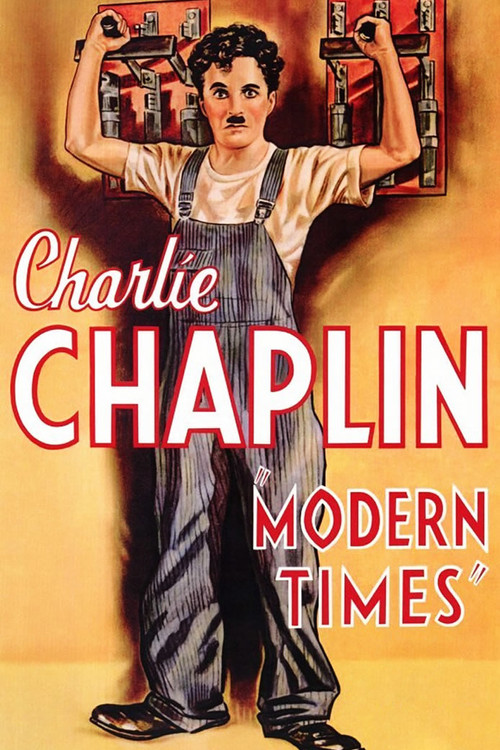
1936
No reviews yet. Be the first to share your thoughts on this movie!
Use the rating form above to leave a star rating and optional review.