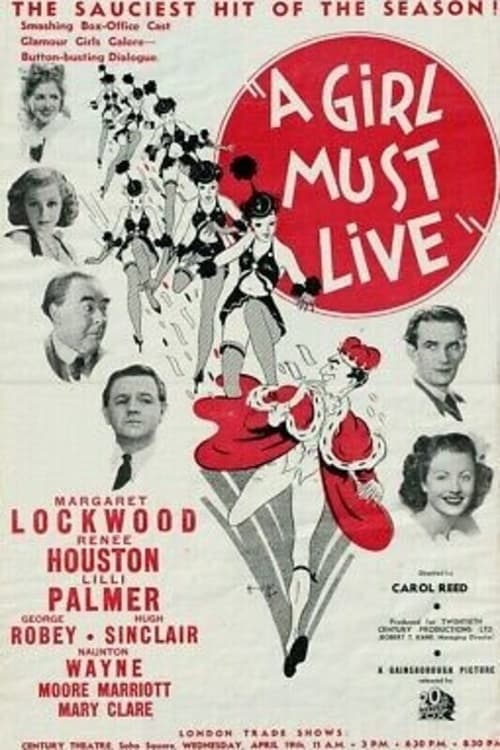
A Girl Must Live
1939
No user ratings available yet
Representation score: 1.4 out of 10
Representation Score
Minimal
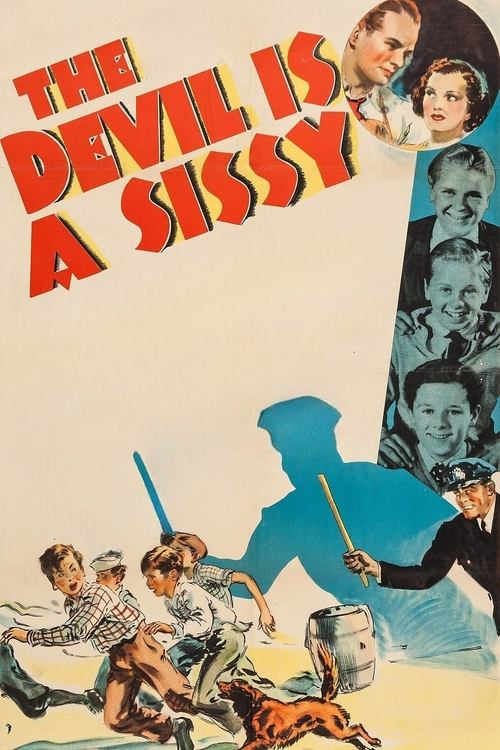
1936
GDirector
W.S. Van Dyke
Runtime
92 minutes
Average Rating
No ratings yetNew Showbiz Analysis
The Devil Is a Sissy is a quintessential product of the 1930s studio system, designed to uphold the social and moral hierarchies of its time. The film functions through traditional comedic structures that rely on established clichés rather than challenging them. Representation is minimal across the board. The film reinforces assumptions about straight and cisgender relationships, using gendered caricatures to drive its plot. It lacks the intentionality required to disrupt the era's conventional cultural expectations. Ultimately, the work serves as a reflection of mainstream American cinema from the mid-1930s, prioritizing a homogeneous and morally traditional worldview.
Category Breakdown
The film uses gender non-conformity as a comedic device. It relies on period-specific language clichés rather than providing nuanced identities or significant roles for LGBTQ+ characters.
The story follows traditional 1930s gender roles. It reinforces conventional depictions of masculinity and femininity without challenging patriarchal social dynamics or giving women significant control over the story.
The production reflects the homogeneous casting standards of its era. It prioritizes Anglo-Saxon social norms within a localized Manhattan setting, lacking significant racial or ethnic diversity.
The narrative is anchored in traditional Christian morality, using religious figures as comedic devices. It reinforces established moral frameworks without offering critical perspectives on Western institutions.
There is no significant evidence regarding the portrayal of physical or neurodivergent disabilities in this production.
Present on Screen
Limited or Absent
Official Synopsis
A well-bred young English lad living in lower Manhattan tries to gain acceptance from his not-so-well-bred peers at school.
1939
1933
1935
1937

1939

2000

1938
1925
No reviews yet. Be the first to share your thoughts on this movie!
Use the rating form above to leave a star rating and optional review.