
Rome, the Other Face of Violence
1976
No user ratings available yet
Diversity score: 2.6 out of 10
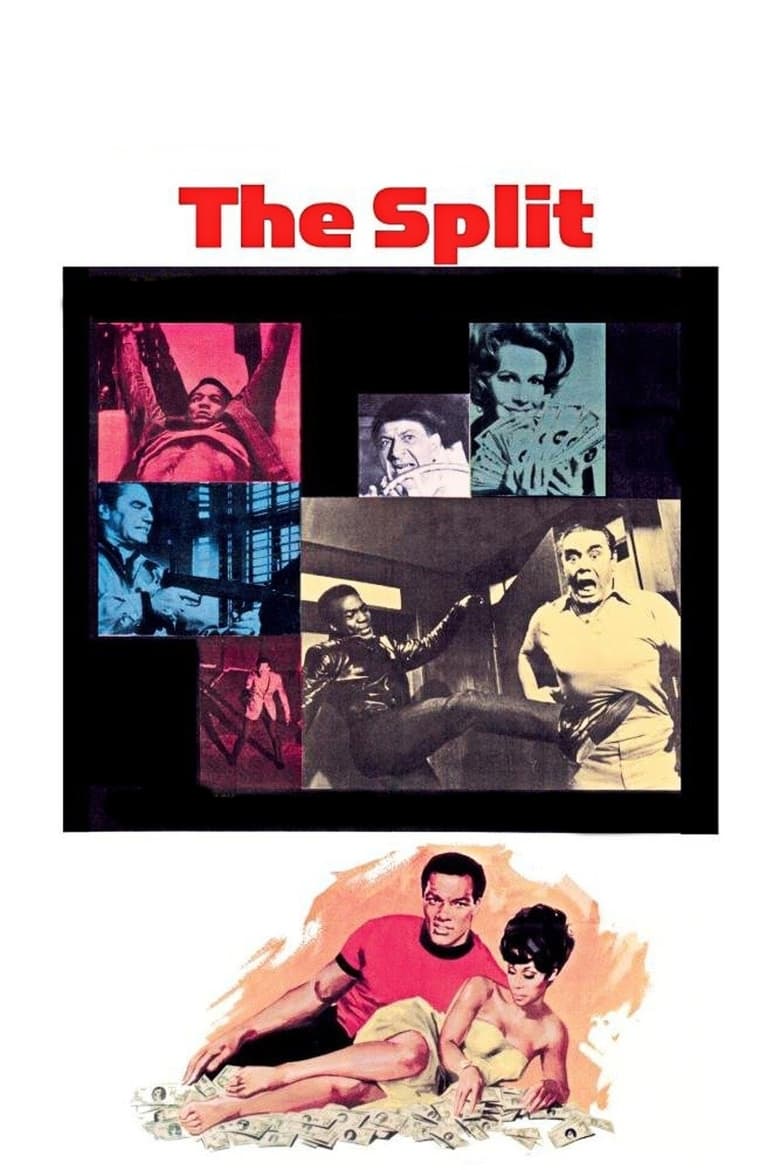
1968
RDirector
Gordon Flemyng
Runtime
91 minutes
Average Rating
No ratings yetSynopsis
A group of thieves attempt a daring robbery of a football stadium.
Overall Score
Limited
Category Breakdown
LGBTQ+ Representation
The film operates within a traditional heteronormative framework. There are no visible LGBTQ+ characters or explorations of non-cisnormative identities.
Gender Representation
While women exist within the social fabric, they do not drive the plot through significant agency. The story focuses on the strain of traditional roles rather than subverting them.
Racial & Ethnic Diversity
The production reflects the demographic homogeneity of a mid-century British village. There is no evidence of non-white or non-Anglo-Saxon casting to challenge social constraints.
Religious & Cultural Diversity
The narrative prioritizes social stability and internal community tensions. It avoids anti-Western critiques, focusing instead on the psychological breakdown of trust in wartime England.
Disability Representation
There is no evidence of characters with physical or neurodivergent disabilities. No such figures are integrated into the central narrative or the community landscape.
Strengths
Areas for Improvement
AI Analysis
The Split is a period-focused crime drama that adheres strictly to the social and demographic norms of its era. It prioritizes localized psychological tension and historical realism over the inclusion of marginalized identities. The film lacks any meaningful representation of LGBTQ+ individuals or people with disabilities. Its casting and narrative structure reflect a homogeneous mid-century British setting without attempting to disrupt the visual or social status quo. Ultimately, the work functions as a traditional genre piece. It focuses on the breakdown of community trust rather than the deconstruction of established social hierarchies or Western institutions.
1976
1978
1979

1972

1973

1972
1971
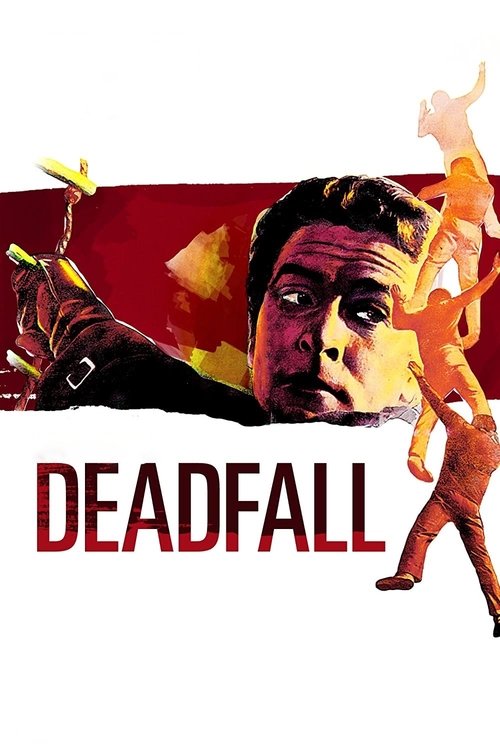
1968
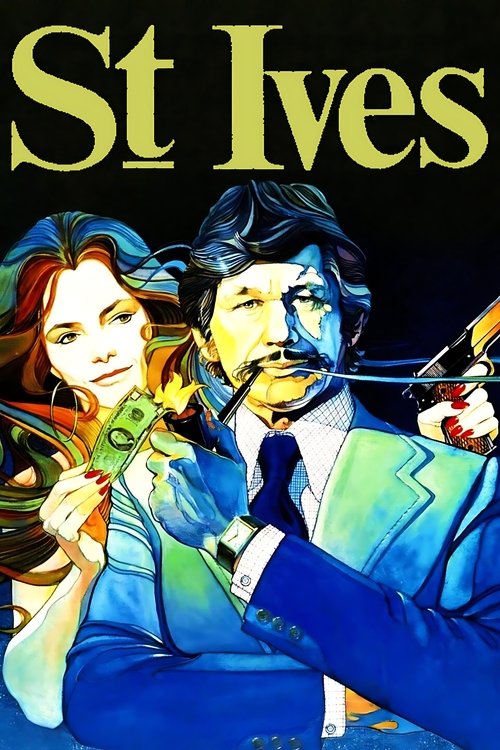
1976
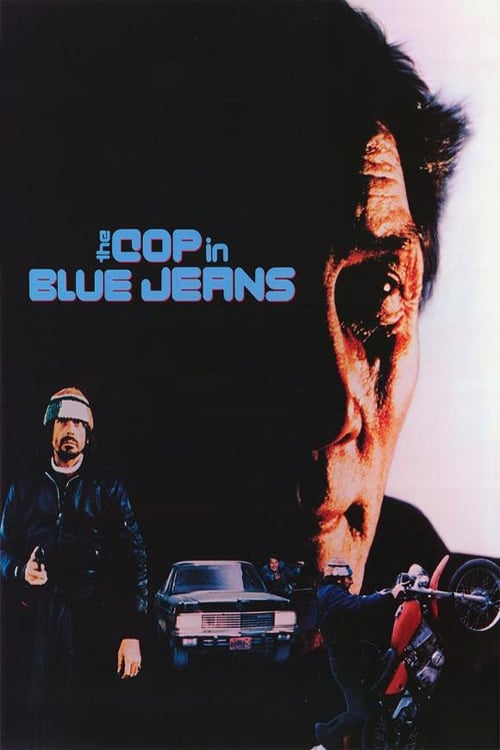
1976
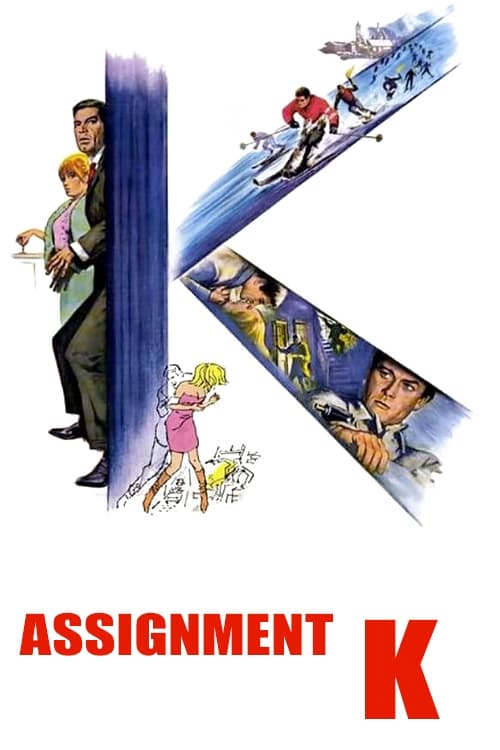
1968
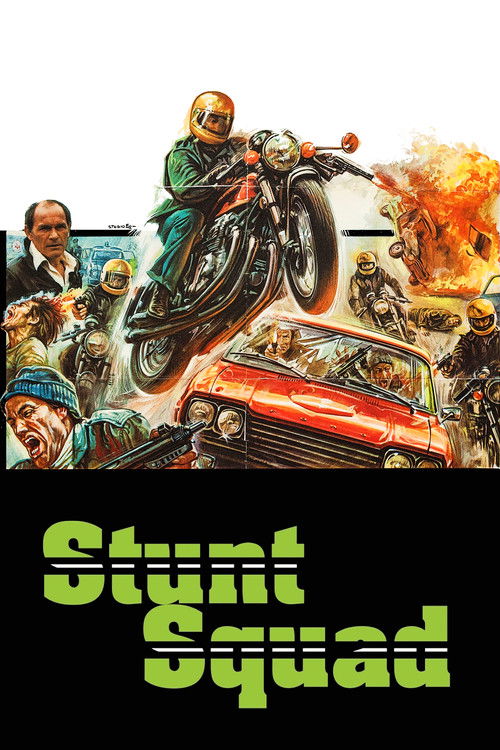
1977
No reviews yet. Be the first to share your thoughts on this movie!
Use the rating form above to leave a star rating and optional review.