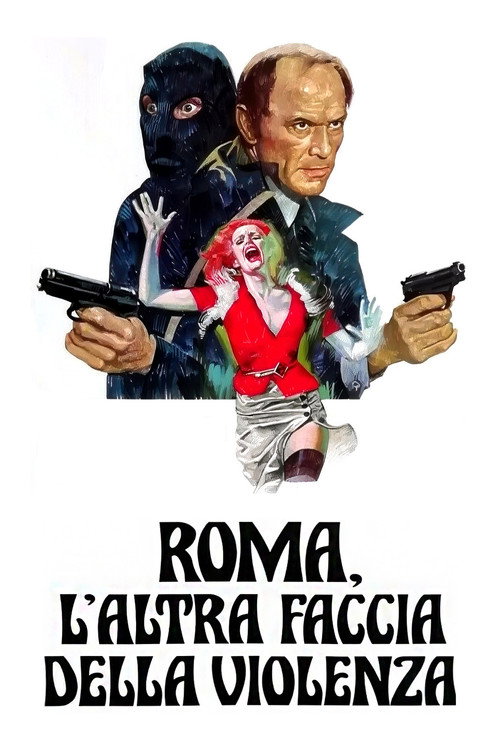
Rome, Armed to the Teeth
1976
No user ratings available yet
Representation score: 2.7 out of 10
Representation Score
Minimal
1976
Director
Marino Girolami
Runtime
99 minutes
Average Rating
No ratings yetNew Showbiz Analysis
Rome, the Other Face of Violence is a typical 1970s crime film. The narrative centers on a villa robbery and the ensuing police chase, reinforcing existing social hierarchies. The film relies on well-established genre clichés, such as the male authority figure and the reactive female character. It does not aim to disrupt traditional social structures or provide layered representation.
Category Breakdown
The film does not include any characters with LGBTQ+ identities. It also does not critique the assumption that everyone is straight or cisgender, which was common in films of its time.
Gender roles in the film are traditional, with a female character serving primarily as a catalyst for the plot. A male Commissioner holds authority, emphasizing traditional masculine leadership.
The film focuses on a localized, homogeneous social setting. There is no indication of diverse casting to challenge historical norms.
The story follows a standard crime and punishment storyline, validating traditional Western legal systems. It does not explore broader social issues or systemic harm.
There is no information available regarding the depiction of physical or neurodivergent characters in this film.
Present on Screen
Limited or Absent
Official Synopsis
Four bandits commit a robbery in a villa. The maid calls the police and Commissioner Carli immediately orders patrols to chase them.
1976
1972

1976

1995
1976
1971
1978
1976
No reviews yet. Be the first to share your thoughts on this movie!
Use the rating form above to leave a star rating and optional review.