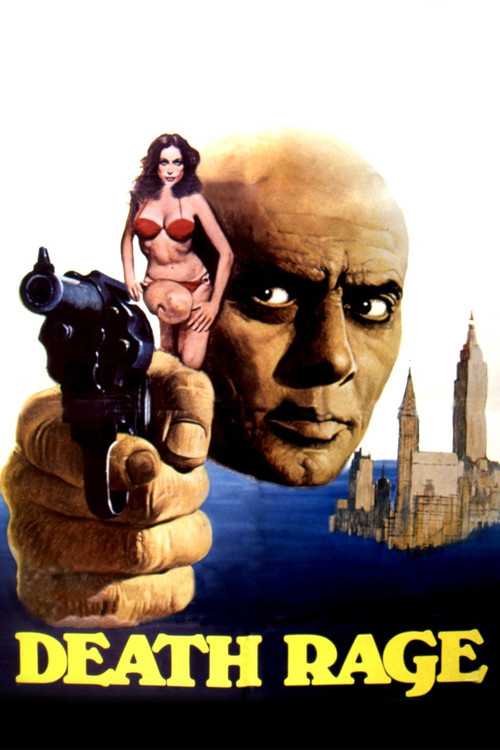
Death Rage
1976
No user ratings available yet
Representation score: 1.7 out of 10
Representation Score
Limited
1972
PGDirector
Michele Lupo
Runtime
112 minutes
Average Rating
No ratings yetNew Showbiz Analysis
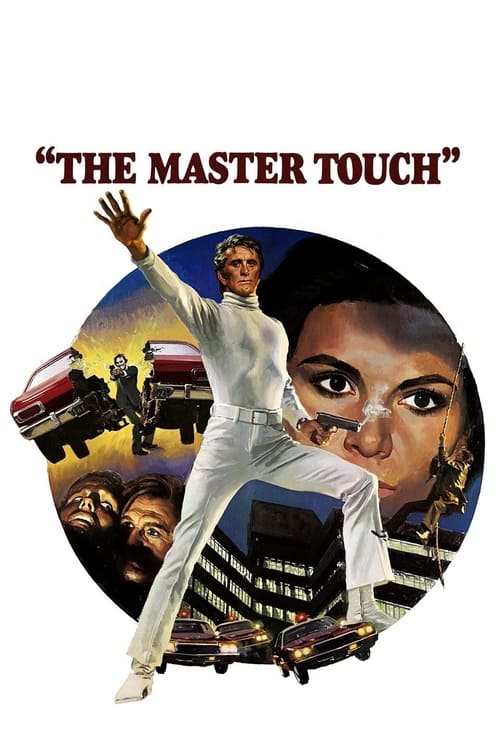
The Master Touch is a traditional 1970s heist thriller that emphasizes genre conventions and plot progression. Its narrative structure revolves around a skilled male protagonist pursuing a large sum of money. The film does not challenge social, gender, or racial hierarchies, focusing instead on masculine-driven crime narratives.
Category Breakdown
The film follows typical 1970s social norms and does not include any non-straight relationships or critiques of straight-centered assumptions.
The story revolves around masculine competence and traditional power structures. Female characters do not have much influence or challenge gender roles.
The cast is predominantly European, with no indication of diverse casting or efforts to break away from Eurocentric norms.
The storyline centers on an outlaw archetype focused on personal gain and material wealth, without critiquing broader societal issues.
There is no mention of characters with physical or neurodivergent disabilities in the film.
Present on Screen
Limited or Absent
Official Synopsis
A master thief, just out of prison, concocts a risky final score that would net him over a million dollars.
1976
1972
1977
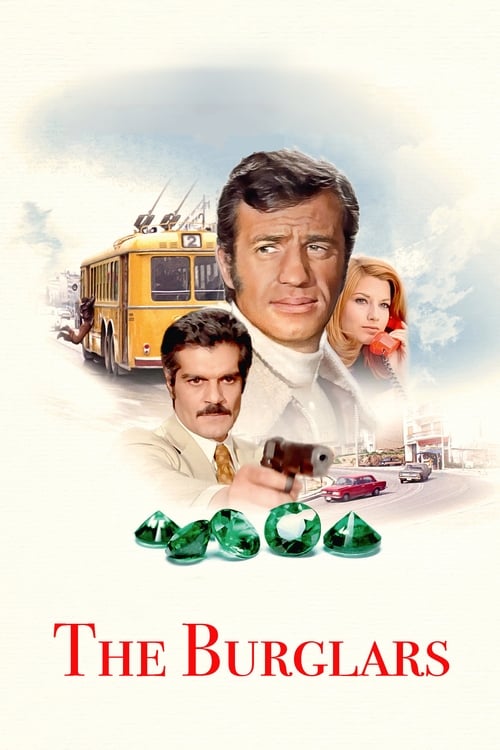
1971
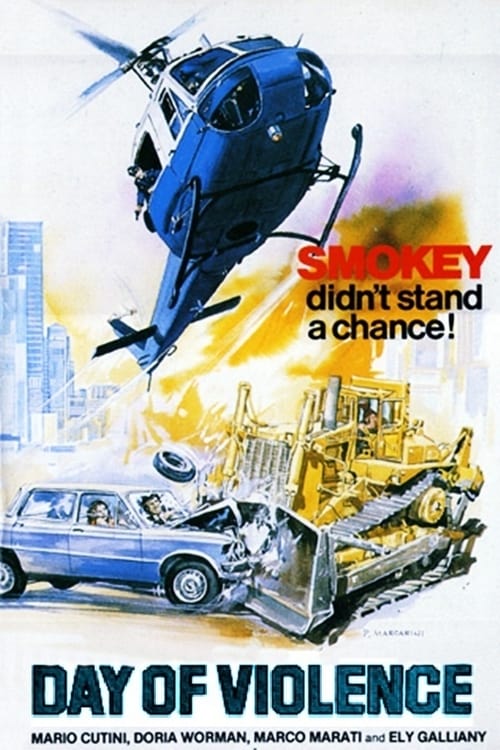
1977
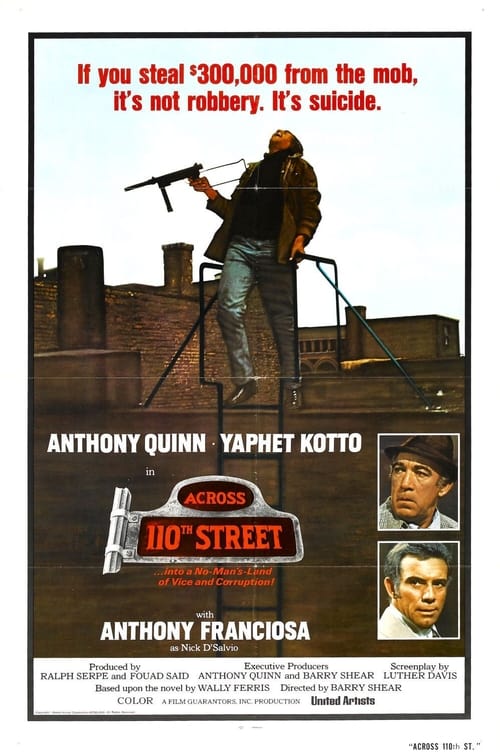
1972

1976
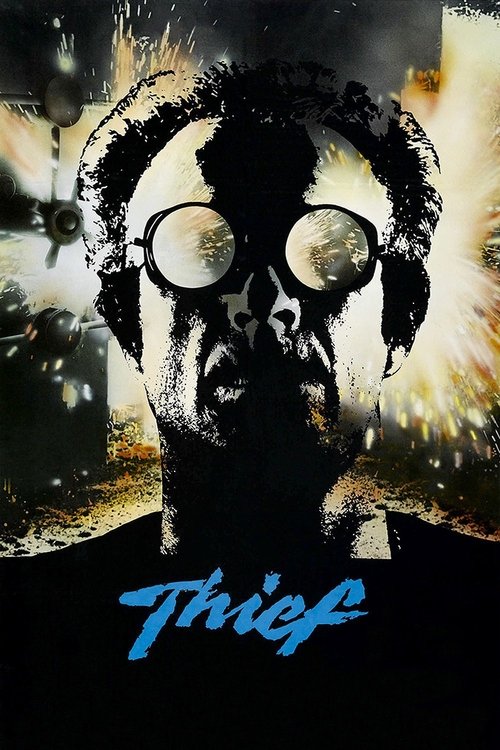
1981
No reviews yet. Be the first to share your thoughts on this movie!
Use the rating form above to leave a star rating and optional review.