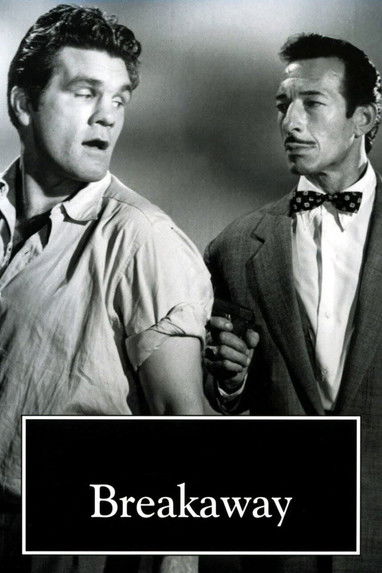
Breakaway
1956
No user ratings available yet
Representation score: 0.8 out of 10
Representation Score
Minimal
1968
ApprovedDirector
Val Guest
Runtime
97 minutes
Average Rating
No ratings yetNew Showbiz Analysis
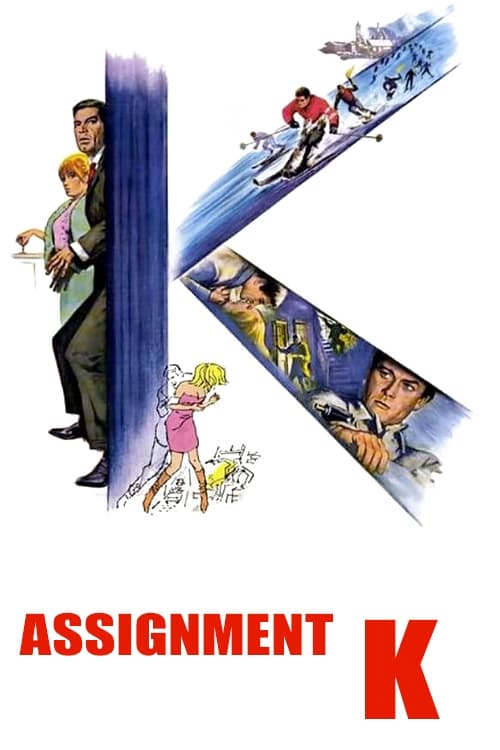
Assignment K is a quintessential product of its era, functioning as a conventional espionage thriller. It adheres strictly to the traditional social and narrative hierarchies of the late 1960s, offering little disruption of established norms. The film’s structure is designed to reinforce rather than challenge Western institutional power. It prioritizes genre clichés and narrative momentum over the exploration of diverse identities or social deconstruction. Ultimately, the production reflects the homogeneous, Eurocentric standards of mid-century British filmmaking, focusing on masculine ability to act and Western intelligence structures.
Category Breakdown
The film does not include any LGBTQ+ characters or narratives. The romantic relationships focus on a traditional heterosexual couple typical of 1960s espionage films.
Gender roles are strictly traditional. The male lead drives the plot through decisive actions, while female characters are secondary figures or subjects of conflict rather than independent agents.
The cast reflects Eurocentric casting norms common in 1960s British thrillers. The ensemble appears largely homogeneous, focusing on Western protagonists within a standard Cold War framework.
The story upholds Western institutional norms by celebrating state-sanctioned covert operations. It adheres to the conventional geopolitical perspectives and morality of its time.
There is no evidence of characters with visible or invisible disabilities. Disability is not used as a thematic device within the narrative.
Present on Screen
Limited or Absent
Official Synopsis
Philip Scott, the boss of a toy company, is secretly also the chief of a British spy organization. Scott's cover is destroyed when enemy agents kidnap his girlfriend to force him to reveal the identities of his fellow spies.
1956
1973
1968
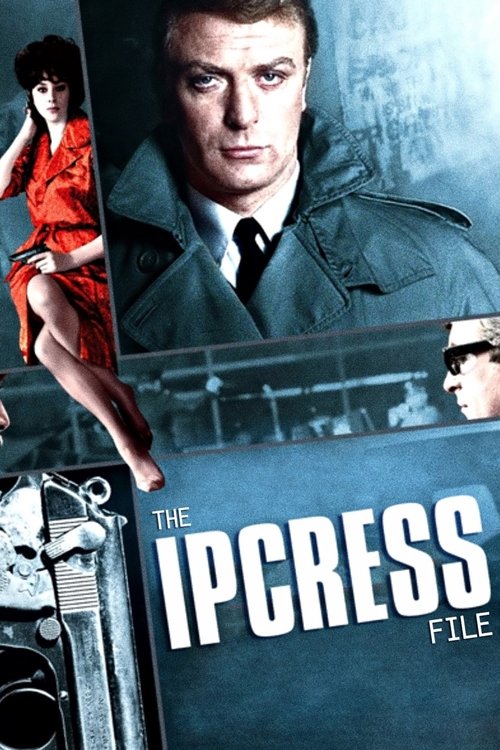
1965
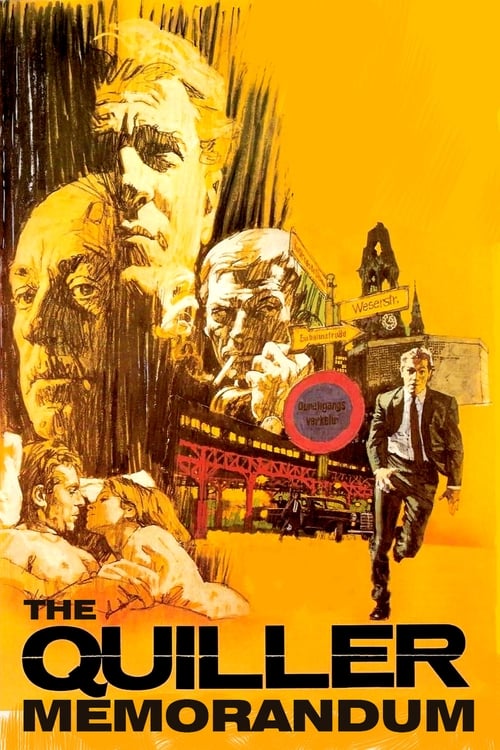
1966

1977
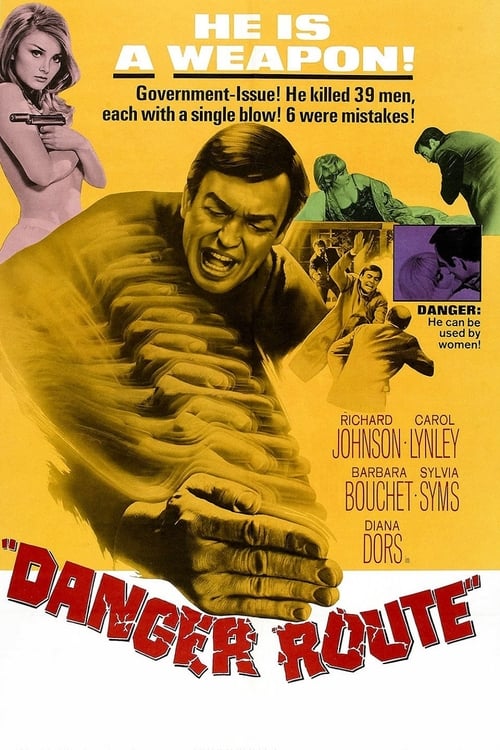
1967

1960
No reviews yet. Be the first to share your thoughts on this movie!
Use the rating form above to leave a star rating and optional review.