The Bang Bang Gang
1970
No user ratings available yet
Representation score: 2.4 out of 10
Representation Score
Minimal
1968
RDirector
Bryan Forbes
Runtime
120 minutes
Average Rating
No ratings yetNew Showbiz Analysis
Deadfall is a conventional mid-century crime thriller that emphasizes heist mechanics and criminal betrayal over exploring identity. The film stays within the social and demographic boundaries of 1968. The narrative focuses on a male-dominated criminal enterprise, offering little space for multi-layered representation. It functions as a typical period piece about the criminal underworld rather than a work that challenges social hierarchies. Ultimately, the film relies on established genre clichés. It lacks the intention to subvert traditional power dynamics or offer diverse representation.
Category Breakdown
The film follows the straight-centered social structures typical of 1960s crime movies. There are no queer narratives or non-traditional gender identities represented.
Male characters dominate the narrative, reinforcing traditional gender hierarchies. Female characters are few and play minor supporting roles without challenging male dominance.
The cast is mostly white British, reflecting the demographics of its time. The story does not engage with non-Anglo-Saxon identities.
The plot centers on professional ethics and betrayal, focusing on Western institutions without critiquing them. Alternative moralities or cultural critiques are missing.
There is no representation of physical, sensory, or neurodivergent disabilities. Characters are portrayed using standard able-bodied stereotypes.
Present on Screen
Limited or Absent
Official Synopsis
Cat burglar Henry Clarke and his accomplices the Moreaus attempt to steal diamonds from the chateau of millionaire Salinas.
1970

1956
1973
1972
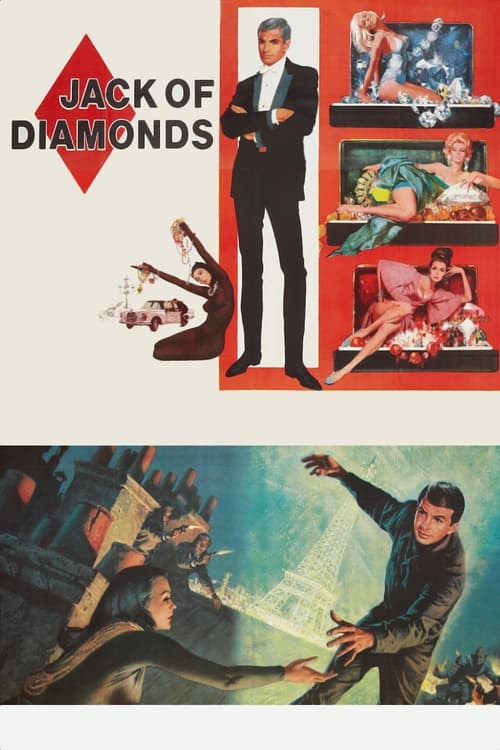
1967
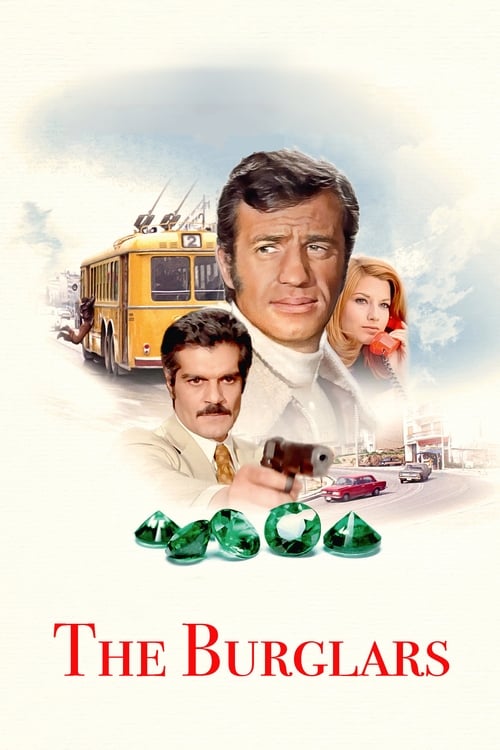
1971
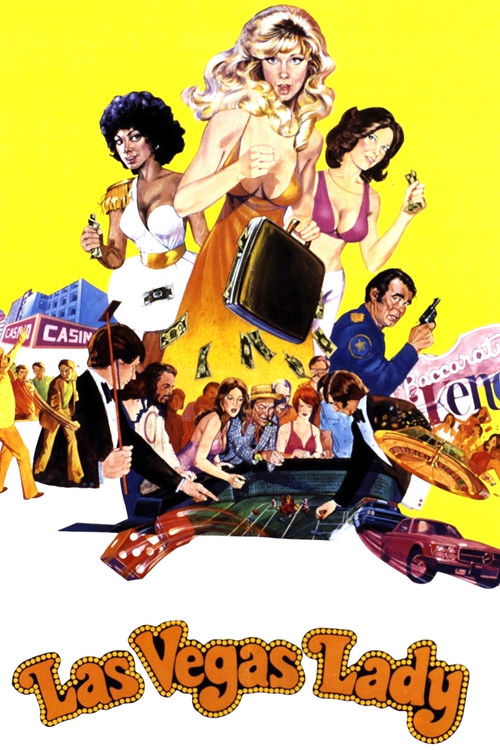
1975
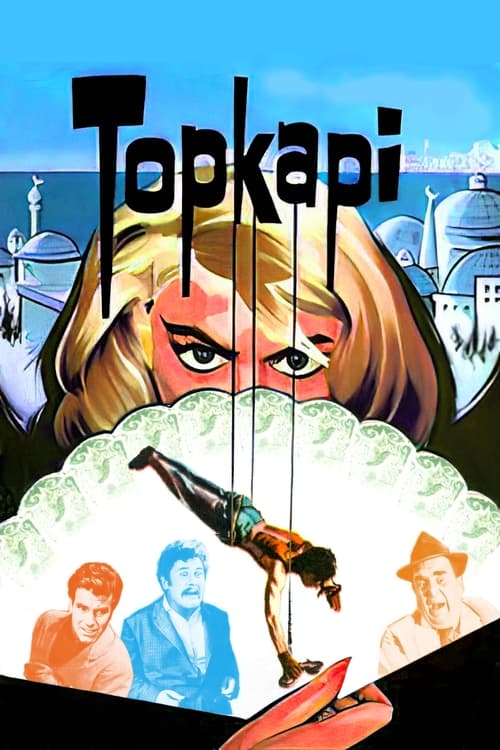
1964
No reviews yet. Be the first to share your thoughts on this movie!
Use the rating form above to leave a star rating and optional review.