
Cool Breeze
1972
No user ratings available yet
Representation score: 2.9 out of 10

Representation Score
Limited
1973
RDirector
Jonathan Kaplan
Runtime
91 minutes
Average Rating
No ratings yetNew Showbiz Analysis
The Slams is a notable example of the Blaxploitation movement, successfully challenging the racial hierarchies of 1970s Hollywood. By featuring Jim Brown in a role defined by autonomy and criminal expertise, the film offers a significant departure from the era's standard casting norms. However, the film remains tied to the period's traditional gender and sexual depictions. The story is heavily driven by male competence and physical dominance, offering little subversion of established gender hierarchies or LGBTQ+ representation. Ultimately, the film's strength lies in its complex characterization. It moves away from traditional hero archetypes, opting instead for a protagonist driven by personal objectives rather than institutional virtue.
Category Breakdown
The film does not include any LGBTQ+ characters or stories that go beyond traditional heterosexual relationships. It follows the conventional sexual dynamics typical of 1970s crime cinema.
The story focuses on male-driven heist conflicts and prison factions. Although Judy Pace is top-billed, the plot is mainly driven by Jim Brown's character.
The film stands out by centering a Black protagonist with significant autonomy and complex morality. This contrasts with the era's tendency to sideline characters of color to secondary roles.
The story uses moral relativism through an amoral criminal hero. This shifts the focus from institutional morality to the protagonist's individualistic, situational ethics.
There are no characters with visible or invisible disabilities in this film.
Present on Screen
Limited or Absent
Official Synopsis
Rival prison factions surround a Los Angeles convict who has $1.5 million stashed on the outside.
1972

1972
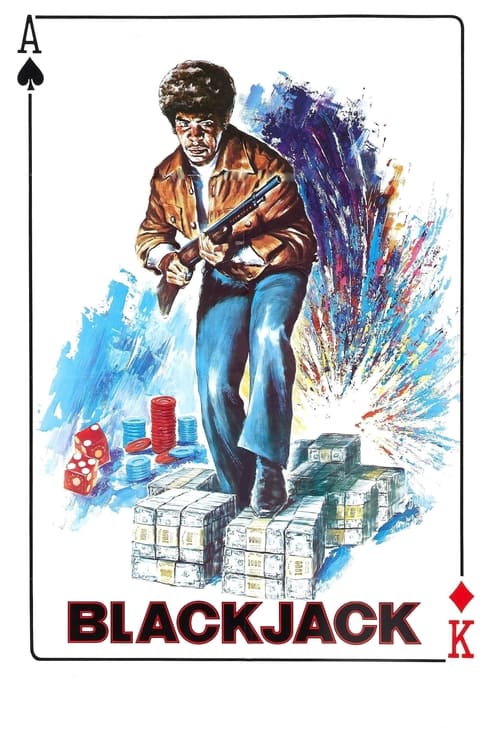
1978
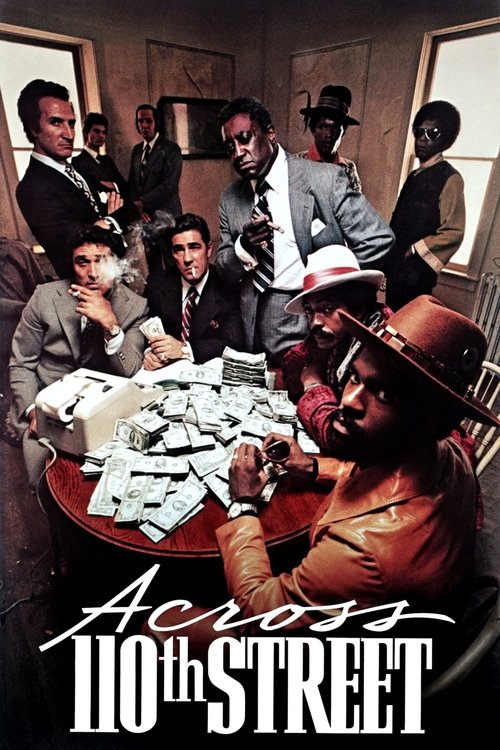
1972
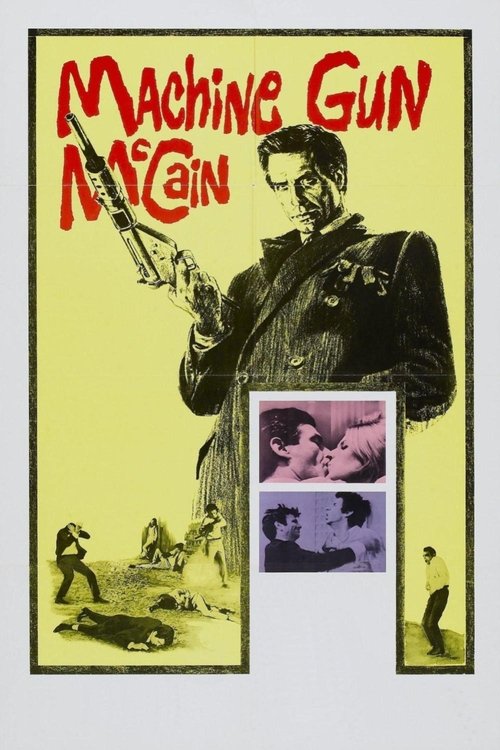
1969

1974

1997

1972
No reviews yet. Be the first to share your thoughts on this movie!
Use the rating form above to leave a star rating and optional review.