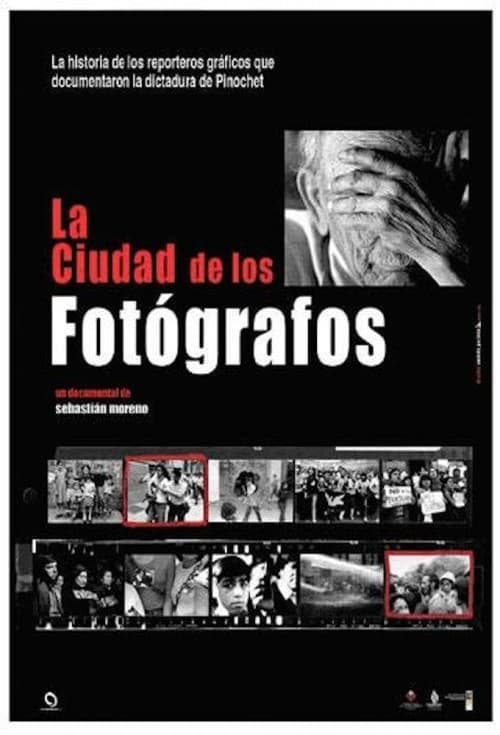
City of Photographers
2006
No user ratings available yet
Diversity score: 6.5 out of 10
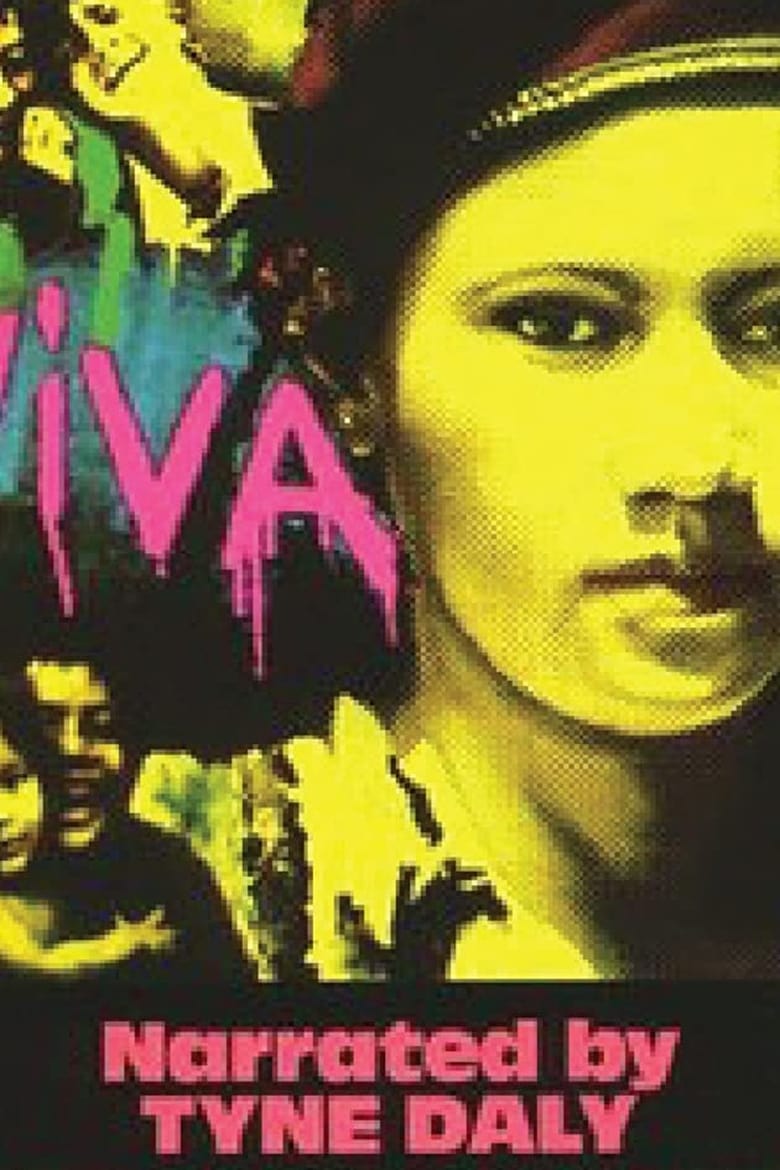
1986
GDirector
Barbara Trent
Runtime
58 minutes
Average Rating
No ratings yetSynopsis
Documentary about a group of Americans who go to Nicaragua to learn about the conflict between the Contras and the Sandinistas.
Overall Score
Good
Category Breakdown
LGBTQ+ Representation
The film focuses on high-stakes political conflict and armed factions. There are no LGBTQ+ characters or narratives addressing non-cisnormative identities present.
Gender Representation
The documentary observes women in investigative or activist roles through the lens of the American travelers. However, it does not explicitly subvert traditional gender hierarchies.
Racial & Ethnic Diversity
The narrative centers on the Nicaraguan population and their struggle for sovereignty. This shifts the perspective away from a purely Western-centric viewpoint.
Religious & Cultural Diversity
The film engages deeply with themes that challenge Western institutional narratives. It critiques the morality of interventionism and presents a nuanced, non-Western perspective on political legitimacy.
Disability Representation
There is no evidence regarding the portrayal of individuals with physical or neurodivergent disabilities.
Strengths
Areas for Improvement
AI Analysis
Destination Nicaragua functions as a journalistic inquiry into the geopolitical struggle between the Sandinistas and the Contras. The film succeeds by disrupting the traditional observer trope, granting agency to Latin American subjects rather than maintaining a purely Western-centric gaze. While the documentary provides a complex, multi-polar view of history, it remains limited in its representation of specific identity groups. The focus on military and state actors results in a lack of LGBTQ+ visibility and a gender balance that reflects the era's male-dominated political landscape. Ultimately, the work's strength lies in its systemic critique of imperialist frameworks. It prioritizes a situational understanding of political struggle over a singular, Western moral framework.
2006

2010
1984
2004
2006
2014
2015
2014
1984

2012
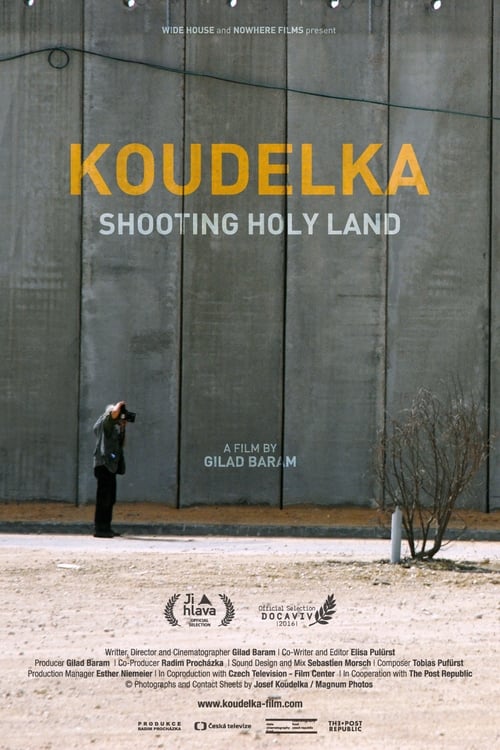
2017

2004
No reviews yet. Be the first to share your thoughts on this movie!
Use the rating form above to leave a star rating and optional review.