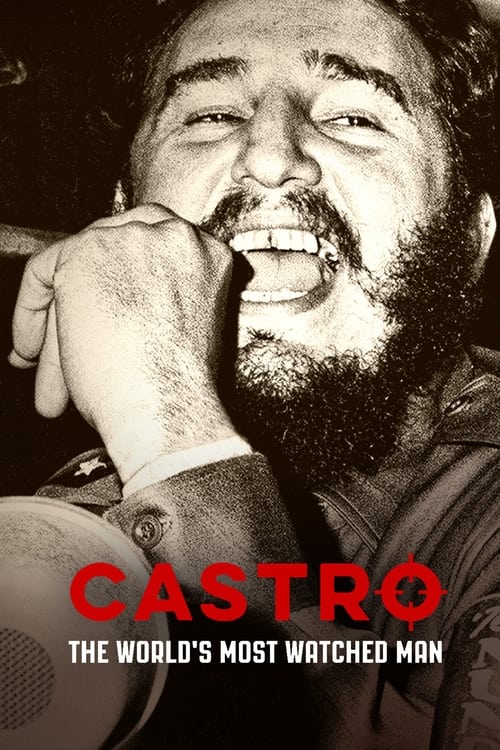
Castro: The World's Most Watched Man
2015
No user ratings available yet
Representation score: 7.1 out of 10
Representation Score
Fair
2014
TV-PGDirector
Tom Jennings
Runtime
56 minutes
Average Rating
No ratings yetNew Showbiz Analysis
The documentary excels as a tool for historical deconstruction, shifting focus from Anglo-Saxon perspectives to Caribbean political movements. It challenges Western-centric historical dominance. However, it remains a product of its time, reflecting male-dominated military and political spheres. Ultimately, it provides a sophisticated look at global power dynamics and post-colonial identity, though it lacks specific focus on underrepresented social identities.
Category Breakdown
The documentary reflects the social norms of the mid-20th century. It does not focus on diverse gender identities.
The film centers on masculine-coded revolutionary politics and military leadership. It documents existing male-dominated power structures without challenging them.
The documentary highlights the ability to act of a Caribbean nation, enhancing authenticity through rare local recordings. It prioritizes non-Western perspectives.
The film explores anti-Western narratives by focusing on a leader who challenged Western dominance. It offers a critical view of power through an anti-imperialist lens.
There is no depiction or character arc related to physical or neurodivergent disabilities.
Present on Screen
Limited or Absent
Official Synopsis
In 1959, Fidel Castro rose to power in Cuba. He has been one of the most controversial figures in the world ever since. This is the story of the Cuban dictator's turbulent career, told in part through media reports, rare images and recordings.
2015
2017

2017
2020
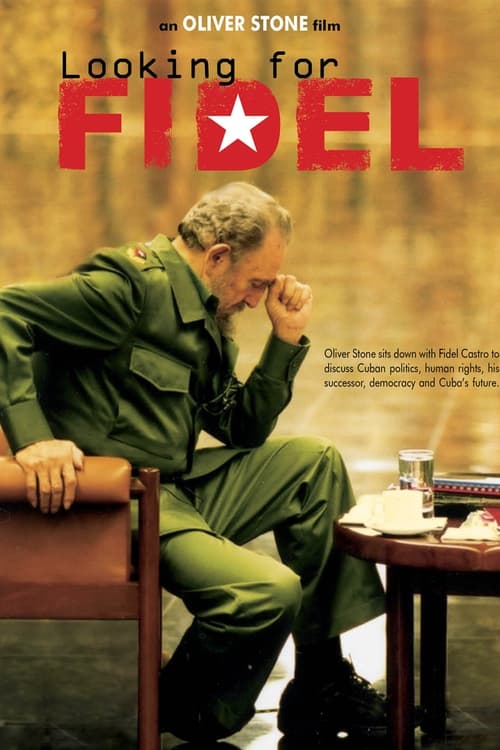
2004

2012
1977
2019
No reviews yet. Be the first to share your thoughts on this movie!
Use the rating form above to leave a star rating and optional review.