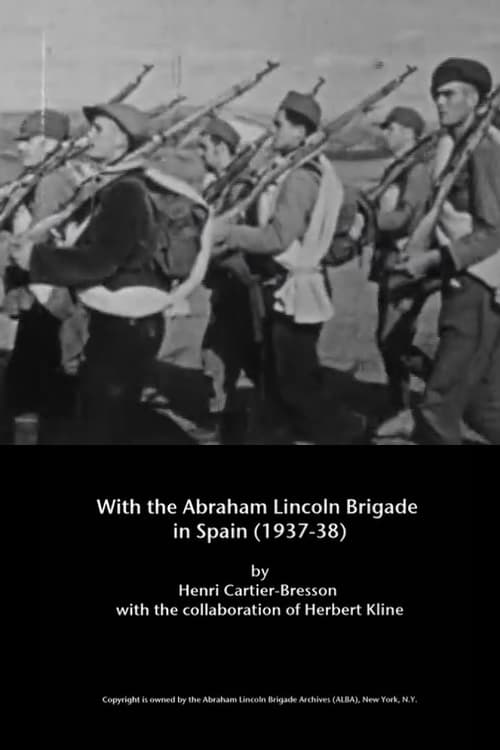
With the Abraham Lincoln Brigade in Spain
1937
No user ratings available yet
Representation score: 6.4 out of 10
Representation Score
Fair
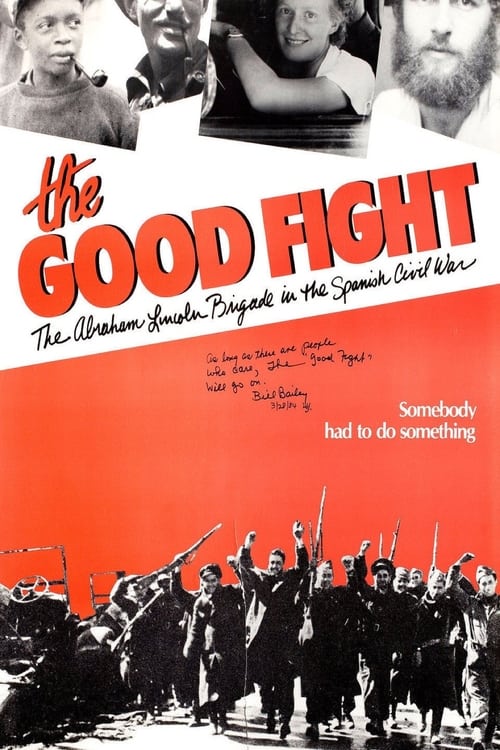
1984
Director
Noel Buckner, Mary Dore, Sam Sills
Runtime
98 minutes
Average Rating
No ratings yetNew Showbiz Analysis
The documentary effectively disrupts traditional nationalist narratives by emphasizing the ability to act of internationalist volunteers. It offers a nuanced perspective on wartime involvement by featuring women and diverse ethnic groups from the American working class. However, the film lacks depth in individual identity-based narratives, especially concerning LGBTQ+ representation. The focus remains on the collective political struggle and military functions of the Brigade. Ultimately, the film's strength lies in its critique of mid-20th-century authoritarianism and its rejection of traditional Western diplomatic narratives.
Category Breakdown
The film focuses on the military and political functions of the Brigade. There is no explicit depiction of LGBTQ+ or non-cisgender identities.
The documentary highlights women's active roles in support and combat-related activities, rather than traditional domestic roles.
The film showcases volunteers from various socioeconomic and immigrant backgrounds, emphasizing diverse ethnic origins within the United States.
The documentary critiques established power structures and fascist influences, focusing on collective social justice and anti-authoritarianism through labor movements.
There is no significant portrayal of physical or neurodivergent disabilities in the film.
Present on Screen
Limited or Absent
Official Synopsis
This documentary examines the experiences of the Abraham Lincoln Brigade, using interviews with survivors more than 50 years later. First, the film sets the context with the rise of Fascism. Then, in 1936, Spain's military revolts against the elected government, and the U.S. and Europe agree not to intervene. In response, volunteers snuck past border guards into Spain to fight with the Republicans. The men and women veterans describe the perils of reaching Spain, limited training, responsibilities of command thrust on the very young, deprivations of a soldier's life, lack of matériel, horrible rates of casualties, and ultimate vindication at the end of World War II.
1937
1998
1937
2012
1979

1977
1963

2003
No reviews yet. Be the first to share your thoughts on this movie!
Use the rating form above to leave a star rating and optional review.