
World in My Corner
1956
No user ratings available yet
Representation score: 1.9 out of 10
No Poster Available
Representation Score
Minimal
1938
PassedDirector
Ben Holmes
Runtime
60 minutes
Average Rating
No ratings yetNew Showbiz Analysis
Little Orphan Annie is a product of late-1930s Hollywood, emphasizing traditional storytelling over modern diversity. The story centers on male characters and their interactions, leaving little space for varied perspectives. The film upholds the social norms of its time, focusing on community values and traditional morality. It lacks any substantial critique of the institutional or social structures present during the era. Overall, the representation is confined by the homogeneity of the period, resulting in a narrative that lacks contemporary inclusivity.
Category Breakdown
The film does not include any characters with LGBTQ+ identities or non-cisgender traits. The story adheres to the social norms of the era.
Annie plays a key role in the story, but her influence is mainly focused on supporting the male characters. She has less control over her own destiny and is more involved in helping others succeed.
The film does not show any racial or ethnic diversity in its setting. It reflects the homogeneous society of 1938.
The plot emphasizes traditional community values and cooperation against crime. It focuses on neighborhood unity rather than critiquing broader societal issues.
The film does not mention any characters with visible or invisible disabilities. There is no exploration of neurodivergence or chronic illness.
Present on Screen
Limited or Absent
Official Synopsis
Annie (Ann Gillis), an orphan, (based on Harold Gray's comic strip but who is at no point in the film called 'Little Orphan Annie), is befriended by a fight manager, 'Pop' Corrigan (J. Farrell MacDonald). She brings him Johnny Adams (Robert Kent), a promising prizefighter. Annie gets the people of the neighborhood to finance his training. But on the night of Johnny's big fight, a gambling syndicate locks him in a gymnasium and it appears the neighborhood folks will lose their investment.
1956
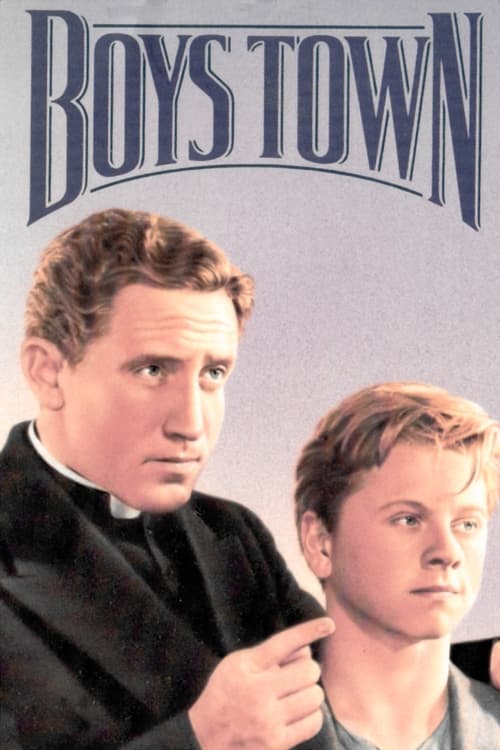
1938
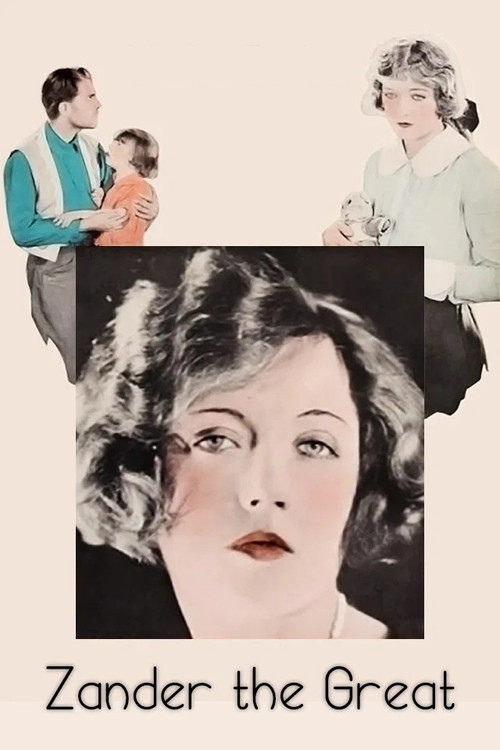
1925
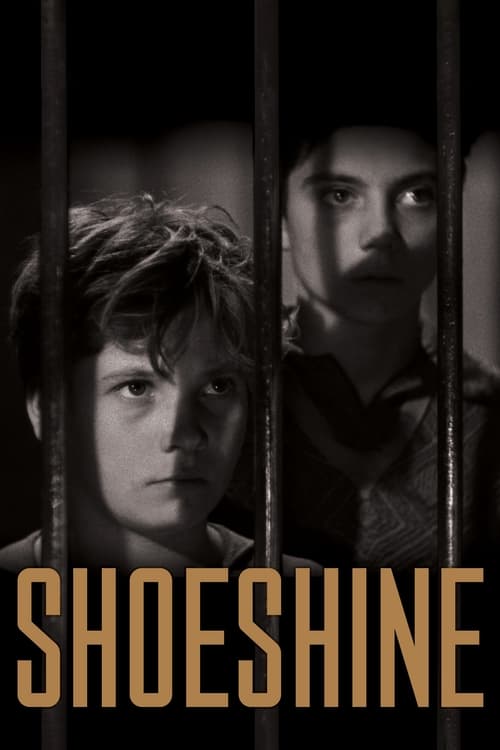
1946
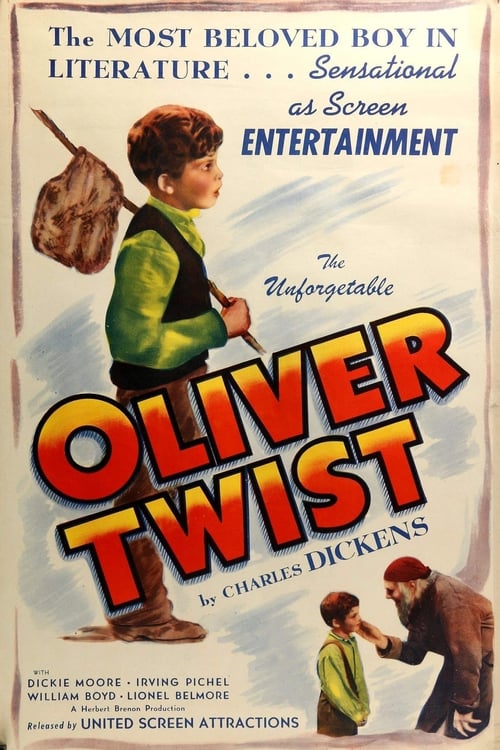
1933
1947
1938

1937
No reviews yet. Be the first to share your thoughts on this movie!
Use the rating form above to leave a star rating and optional review.