Youth on Trial
1945
No user ratings available yet
Diversity score: 1.8 out of 10
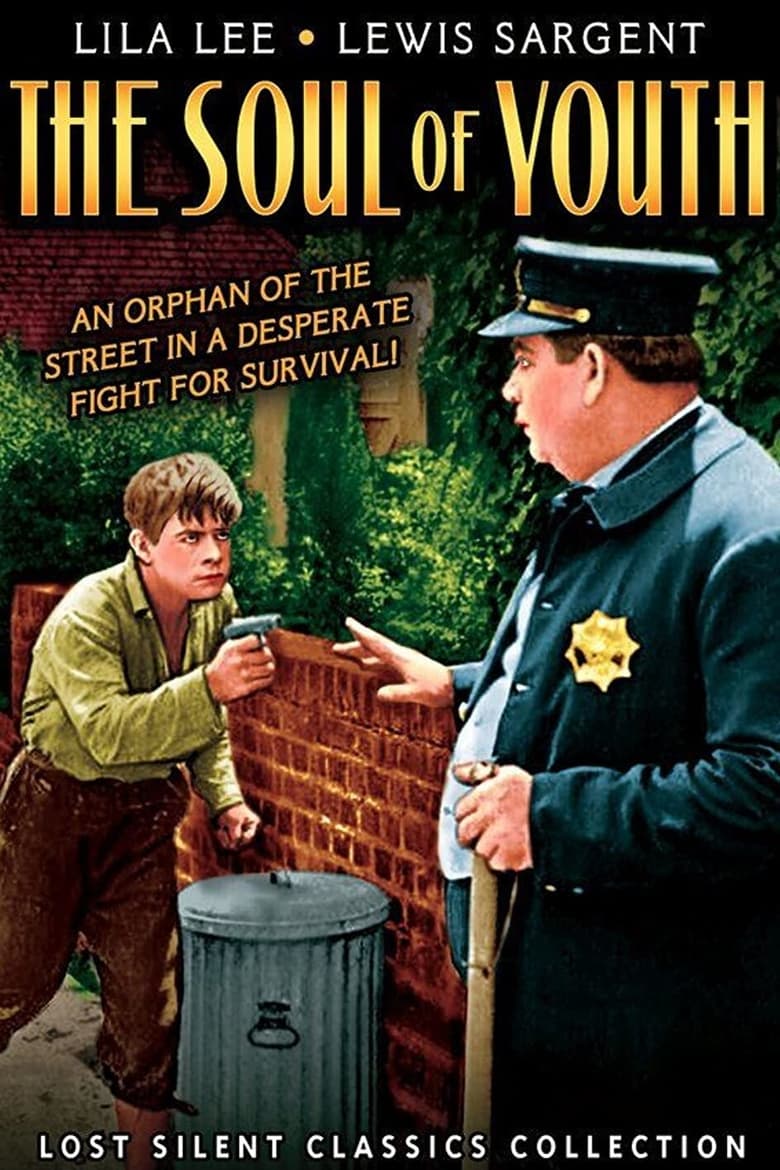
1920
Director
William Desmond Taylor
Runtime
80 minutes
Average Rating
No ratings yetSynopsis
After directing him as the title character in Huckleberry Finn, William Desmond Taylor again used boy actor Lewis Sargent in this picture. His character, known merely as "the boy," has been raised in an orphanage where he has caused as much trouble as possible. He finally can't stand living there anymore and runs away. On the streets he finds a friend in Mike (Ernest Butterworth), a newsboy. Mike teaches him how to survive but inevitably the boy gets hauled into court. However, the judge sees potential in him and hands him over to be adopted by a young politician. The judge, incidentally, is played by Judge Ben Lindsey, who was famous in his day for his efforts to give delinquent boys a decent chance in life.
Overall Score
Limited
Category Breakdown
LGBTQ+ Representation
The film follows a traditional coming-of-age arc centered on an orphan. There is no evidence of non-cisnormative identities or narratives that critique heteronormativity.
Gender Representation
The story architecture centers on male protagonists and male authority figures. This focus on male mentorship reinforces traditional masculine social structures and leadership roles.
Racial & Ethnic Diversity
The film likely reflects the homogeneous casting standards of the early silent era. The narrative appears to adhere to typical Western social norms of 1920.
Religious & Cultural Diversity
Themes of institutionalization and the judicial system are central to the plot. The resolution emphasizes societal assimilation into established political and family structures.
Disability Representation
There is no mention of characters possessing visible or invisible disabilities. No assessment can be made regarding the portrayal of neurodivergence or physical impairment.
Strengths
Areas for Improvement
AI Analysis
The Soul of Youth is a period drama that mirrors the social hierarchies of the early 20th century. The narrative prioritizes themes of institutional reform and social assimilation through established power structures rather than challenging them. While the film explores the struggles of an orphan, the resolution relies on traditional Western values of stability and political integration. The story focuses heavily on male-driven mentorship and authority. Ultimately, the film functions as a standard drama of its era, lacking significant representation of diverse identities or systemic subversion.
1945
1938
1934
1926
1912
1916
1919

1949
1931
1984
1924

1929
No reviews yet. Be the first to share your thoughts on this movie!
Use the rating form above to leave a star rating and optional review.