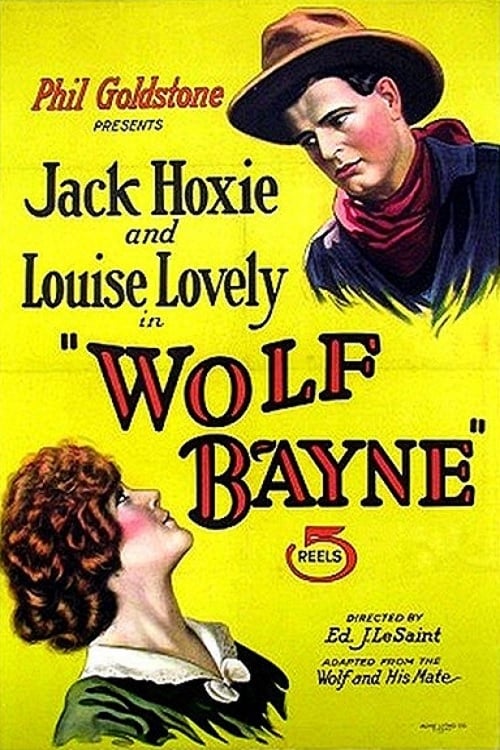
The Wolf and His Mate
1918
No user ratings available yet
Diversity score: 2.2 out of 10
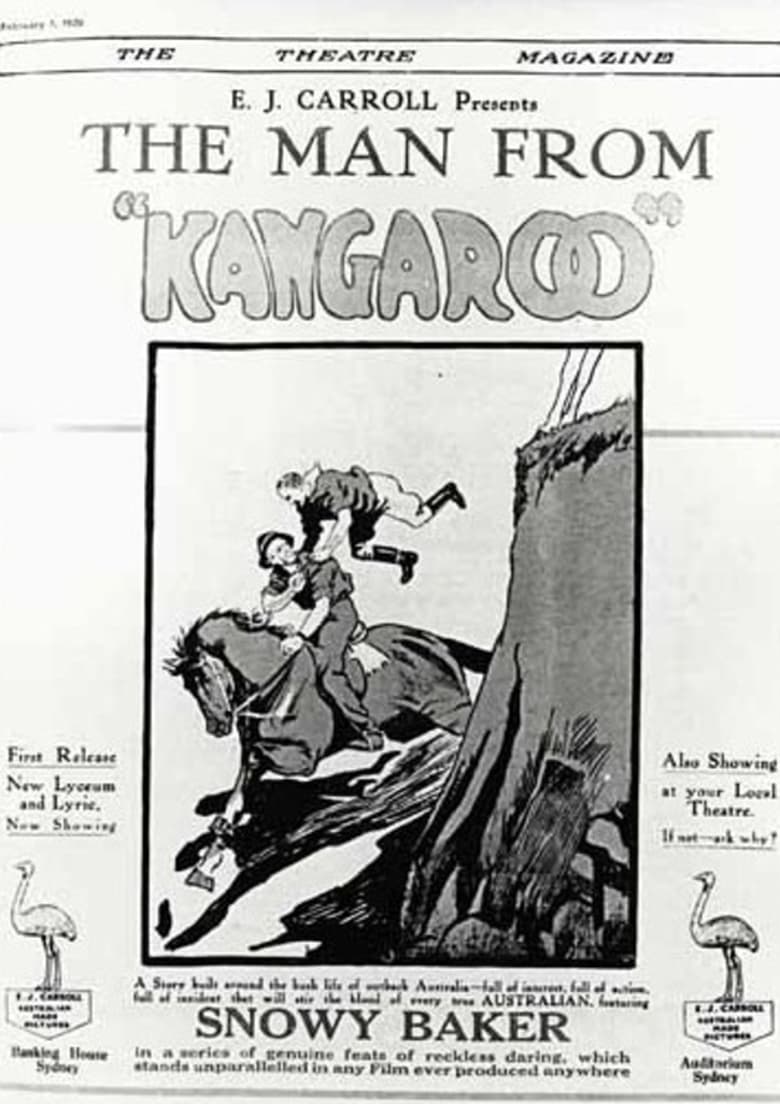
1920
Director
Wilfred Lucas
Runtime
72 minutes
Average Rating
No ratings yetSynopsis
John Harland is a former boxer turned reverend posted to the town of Kangaroo. He falls in love with Muriel, an orphaned heiress, and discovers that her guardian Martin Giles is embezzling her inheritance. Harland earns the ire of parishioners by teaching young boys to box, and Giles manipulates local opinion to have the bishop remove him. Harland rescues a gentleman from a mugging in Sydney who suggests that he go to Kalmaroo where a criminal gang has driven the church out of the area. Harland preaches, and unexpectedly sees Muriel in the congregation; her property is near Kalmaroo. But her overseer is Red Jack Braggan who leads the gang which violently breaks up Harland's mission - much to the distress of Muriel who regards Harland as too timid - and is in cahoots with Giles.
Overall Score
Limited
Category Breakdown
LGBTQ+ Representation
The film centers on a traditional romantic arc between John Harland and Muriel. It lacks any indication of non-cisnormative identities or narratives that challenge heteronormativity.
Gender Representation
Muriel serves primarily as a catalyst for the male protagonist's development. The plot is driven by male agency, reinforcing conventional roles of the protector and the antagonist.
Racial & Ethnic Diversity
The narrative focuses on Anglo-centric social structures and colonial-era settlement dynamics. There is no evidence of non-white characters holding positions of agency within the story.
Religious & Cultural Diversity
The plot is anchored by the Church and the preservation of Christian morality. It reinforces the necessity of moral leadership rather than critiquing religious institutions.
Disability Representation
The story contains no mention of characters with physical, sensory, or neurodivergent disabilities.
Strengths
Areas for Improvement
AI Analysis
The Man from Kangaroo is a period drama that adheres strictly to the social and moral hierarchies of the 1920s. The narrative relies on established tropes of religious authority and heteronormative romance, offering no disruption to the status quo. Conflict is driven almost entirely by male characters, ranging from the protagonist's boxing to the villainy of Giles and Braggan. This structure limits the agency of female characters, who function more as figures of distress than active participants. Furthermore, the film operates within a homogeneous, Anglo-centric framework. By focusing on colonial-era institutions and traditional Western morality, it lacks intersectional perspectives or diverse representation.
1918
1929
1922
1929
1938
1926
1926
1927
1925
1932
1925
1916
No reviews yet. Be the first to share your thoughts on this movie!
Use the rating form above to leave a star rating and optional review.