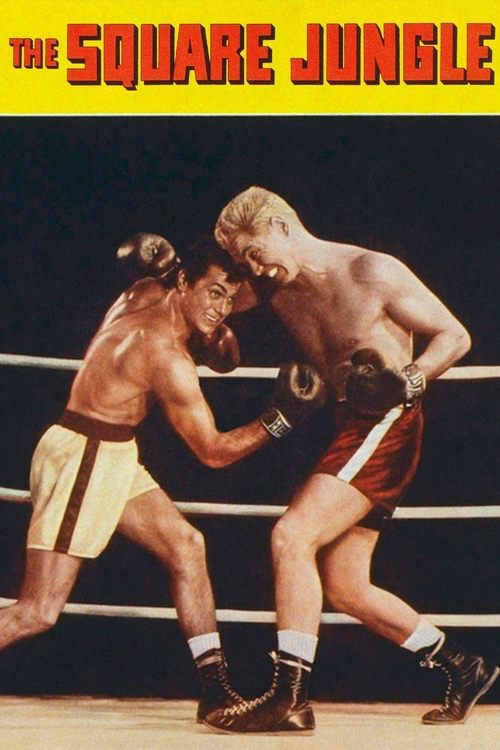
The Square Jungle
1955
No user ratings available yet
Representation score: 3.2 out of 10
Representation Score
Limited
1947
NRDirector
Roy Rowland
Runtime
104 minutes
Average Rating
No ratings yetNew Showbiz Analysis
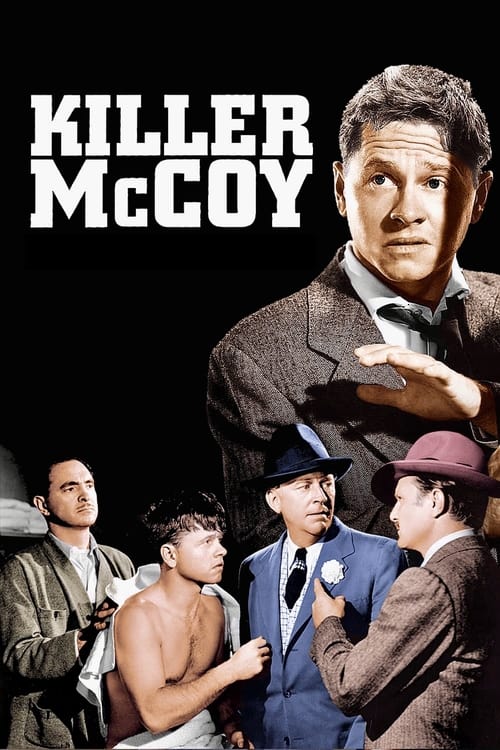
Killer McCoy is a quintessential product of the 1940s studio system, prioritizing conventional genre beats and mid-century social norms. The narrative architecture is built around traditional male clichés, specifically the physical struggle and professional ascent of a male protagonist in the boxing world. The film lacks multi-layered complexity, offering a narrow view of socioeconomic struggle. It focuses on individual grit and the consequences of familial dysfunction rather than addressing systemic issues or diverse identities. Ultimately, the film functions as a standard drama of its era, adhering to established social hierarchies without attempting to subvert them.
Category Breakdown
The film does not include any non-assuming gender matches what was assigned at birth gender identities or same-sex romantic dynamics, operating within a strictly heterosexual framework.
The narrative centers on male physical prowess and boxing success, relegating female characters to domestic or supportive roles without driving the primary plot.
The cast is predominantly white and working-class, offering little representation of diverse ethnic or racial identities.
The story reinforces traditional Western values through a lens of individual perseverance and personal redemption within established social structures.
There is no prominent depiction of physical or neurodivergent disabilities. Alcoholism is framed as a personal character obstacle rather than a nuanced exploration.
Present on Screen
Limited or Absent
Official Synopsis
Tommy McCoy grew up poor and scrappy. As a young man he discovers that he can fight with his powerful right arm. He becomes successful at boxing, however he has an alcoholic father.
1955
1947
1951

1945

2017
1956
1944
1938
No reviews yet. Be the first to share your thoughts on this movie!
Use the rating form above to leave a star rating and optional review.