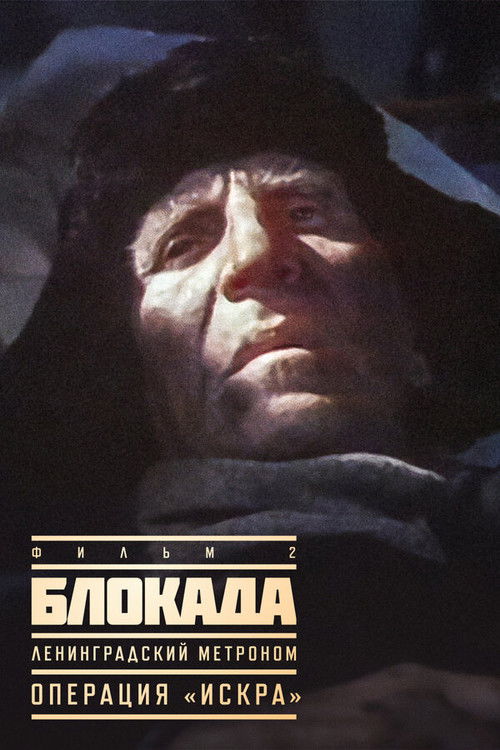
The Siege: Operation "Iskra"
1977
No user ratings available yet
Representation score: 5.2 out of 10
Representation Score
Fair
1984
Director
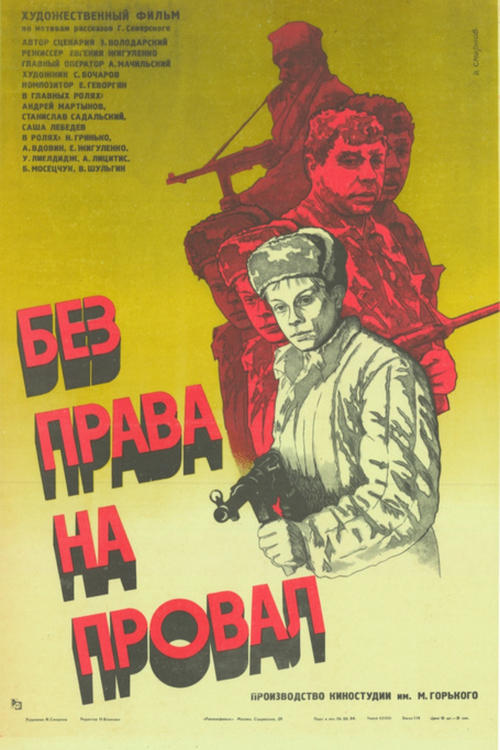
Yevgeniya Zhigulenko
Runtime
77 minutes
Average Rating
No ratings yetNew Showbiz Analysis
No Right to Fail is a wartime drama deeply embedded in the ideological framework of 1984 Soviet cinema. It prioritizes collectivist values and systemic duty over individualistic pursuits, which is reflected in its strong cultural representation score. While the film captures the multi-ethnic reality of the Soviet Union, it lacks modern multi-layered markers. The narrative focuses on the shared identity of the Soviet citizen rather than exploring specific racial or ethnic tensions. Ultimately, the film serves as a study of communal resilience during the Siege of Sevastopol. It trades individual character development for a broader exploration of state-sponsored socialist realism and collective survival.
Category Breakdown
The film adheres to 1984 Soviet cinematic traditions, focusing on wartime duty and social cohesion. There is no mention of non-traditional gender identities or challenges to heterosexual norms.
Women likely appear in roles of labor or frontline support, reflecting the era's wartime dramas. These roles emphasize service to the state rather than individual empowerment or challenging gender norms.
The cast likely reflects the multi-ethnic composition of the Soviet Union during the defense of Sevastopol. The narrative prioritizes a shared Soviet identity over detailed explorations of racial dynamics.
The film excels by prioritizing collective survival over Western individualism. Its setting critiques capitalist notions of success, replacing them with a framework of systemic duty and communal sacrifice.
The available synopsis provides no information regarding the portrayal of physical or neurodivergent characters.
Present on Screen
Limited or Absent
Official Synopsis
Based on the stories of G.Seversky. Events taking place in the besieged Sevastopol during the WWII.
1977

2015
1983
2010
1963

1979
1981
1944
No reviews yet. Be the first to share your thoughts on this movie!
Use the rating form above to leave a star rating and optional review.