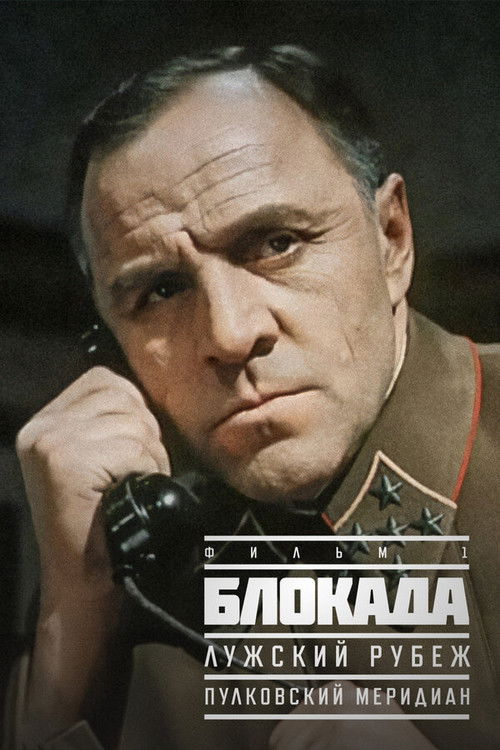
The Siege: The Luga Defense Line
1974
No user ratings available yet
Representation score: 2.6 out of 10
Representation Score
Fair
1977
Director
Mikhail Yershov
Average Rating
No ratings yetNew Showbiz Analysis
The film is a historical war drama that prioritizes the geopolitical struggle and collective survival of the Leningrad front. Its strength lies in its cultural perspective, offering a non-Western view of resistance and systemic sacrifice during the Siege of Leningrad. However, the production is limited by the era's historical realism and the specific ethnic focus of the Leningrad front. This results in a lack of diverse identity representation, particularly regarding LGBTQ+ and racial diversity. Ultimately, the film serves as a study of communal resilience rather than a diverse exploration of individual identities, reflecting the rigid social structures of the 1940s Soviet Union.
Category Breakdown
The film does not include any LGBTQ+ characters or stories that challenge traditional gender norms. It focuses on the rigid social and military structures of the 1940s Soviet Union, emphasizing wartime mobilization.
Women show strength and intelligence despite harsh conditions, but their roles often fall into traditional wartime archetypes such as nurses or maternal figures. The hierarchy remains dominated by male military leaders.
The cast is mostly homogeneous, reflecting the ethnic makeup of the Leningrad front. The film prioritizes a centralized Slavic identity rather than showcasing racial diversity.
The film highlights Eastern European resistance, challenging Western-centric historical narratives. It emphasizes collective survival and communal resilience over individualistic capitalism or Western structures.
Physical injuries and trauma serve as plot devices to highlight wartime brutality. These impairments are framed as sacrifices rather than opportunities for characters to assert their own choices.
Present on Screen
Limited or Absent
Official Synopsis
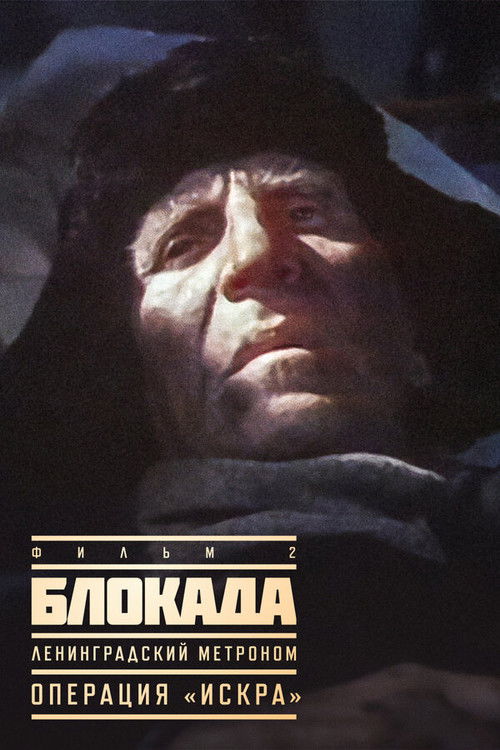
"Iskra" is the codename for the plan of the operation of the Soviet troops to break the blockade of Leningrad. In January 1943, the blockade of Leningrad was broken. A corridor 8-11 km wide was formed between Lake Ladoga and the front line.
1974
2010
1949
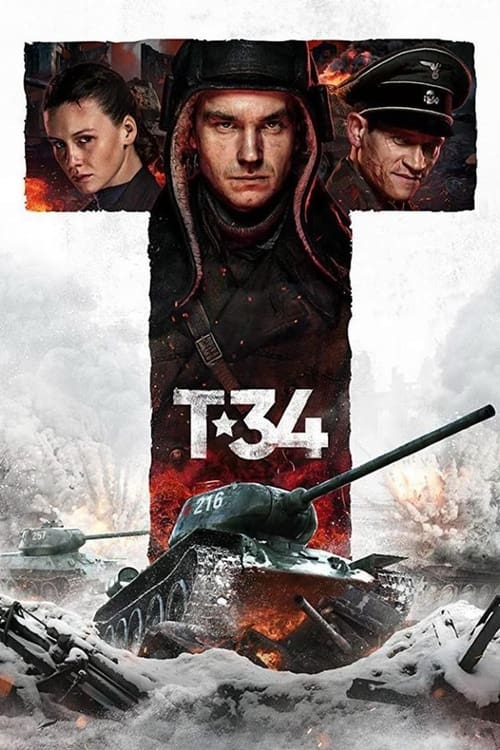
2018
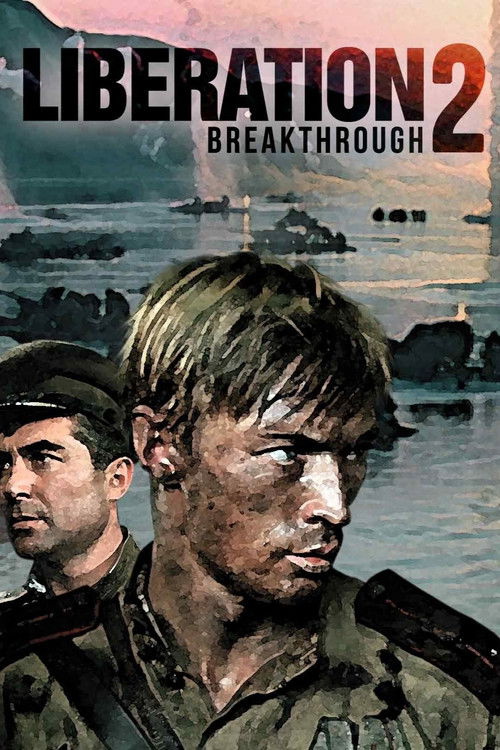
1970
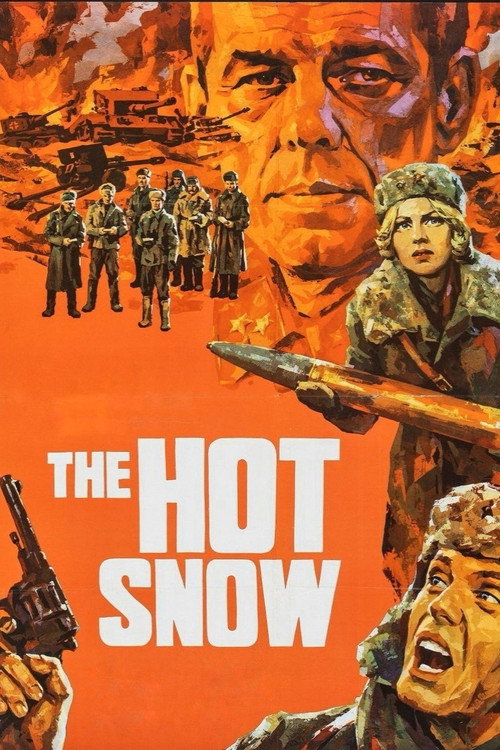
1972
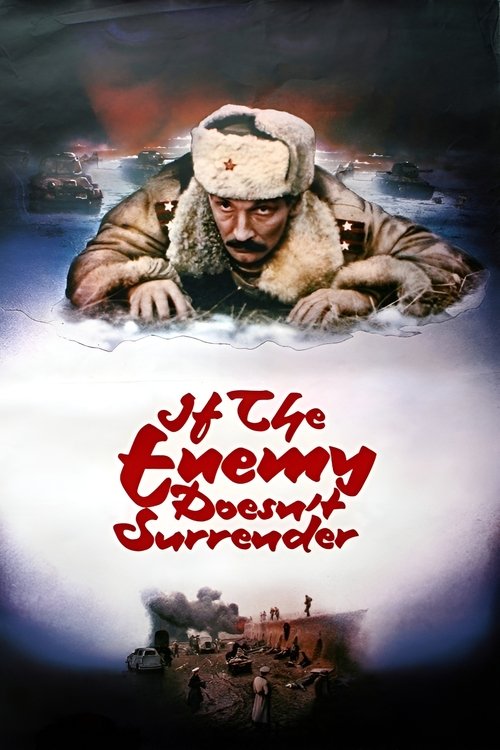
1983
1984
No reviews yet. Be the first to share your thoughts on this movie!
Use the rating form above to leave a star rating and optional review.