
The Last Frontier
2020
No user ratings available yet
Representation score: 0.6 out of 10
Representation Score
Minimal
2010
Not RatedDirector
Alexander Kott
Runtime
138 minutes
Average Rating
No ratings yetNew Showbiz Analysis
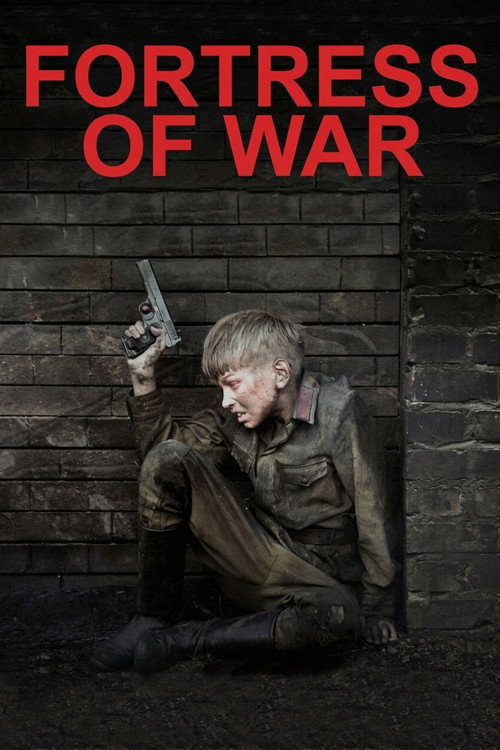
Fortress of War is a traditional historical drama that prioritizes national narrative and established character archetypes. It functions to reinforce historical identities and patriotic values rather than challenging social or gender hierarchies. The film's structure is built around a male-dominated military command, focusing on the experiences of soldiers and commanders. While it captures the demographic reality of the 1941 Eastern Front, it does not seek to challenge historical norms through diverse casting. Ultimately, the film serves as a celebration of historical resilience. It relies on conventional romantic clichés and a rigid moral framework to tell its story of defense and sacrifice.
Category Breakdown
The film follows a traditional romantic pairing between Sasha Akimov and Anya, adhering to conventional war drama clichés.
The narrative centers on a male-dominated military hierarchy. Anya serves as a central emotional motivator but primarily functions as a symbol of beauty rather than an independent agent of power.
The cast is predominantly homogeneous, reflecting the specific ethnic and national context of the Eastern Front in 1941. It opts for period-accurate representation over diverse casting.
The story emphasizes patriotism, collective heroism, and the sanctity of the motherland. It reinforces traditional values of duty and sacrifice through a structured, heroic moral framework.
There is no mention of characters navigating physical or neurodivergent disabilities. The focus remains on the immediate physical trauma of combat.
Present on Screen
Limited or Absent
Official Synopsis
The film covers the heroic defence of the Brest Fortress, which was attacked during the first strike of German invaders on June 22 1941. The story describes the events of the first days of the defence, including the three main resistance zones, headed by the regiment commander, Pyotr Mikhailovich Gavrilov, the commissar Efim Moiseevich Fomin and the head of the 9th frontier outpost, Andrey Mitrofanovich Kizhevatov. Many years later veteran Alexander Akimov again recalls the memories of the time, when he, then a 15 year old Sasha Akimov was deeply in love with the beautiful Anya and suddenly found himself in the middle of the bloody events of war.
2020
2016
2022
2015
1974
2021

1985
2012
No reviews yet. Be the first to share your thoughts on this movie!
Use the rating form above to leave a star rating and optional review.