
On the Road of Immortality
1957
No user ratings available yet
Representation score: 6.2 out of 10
Representation Score
Limited
1963
Director
Richard Viktorov
Runtime
81 minutes
Average Rating
No ratings yetNew Showbiz Analysis
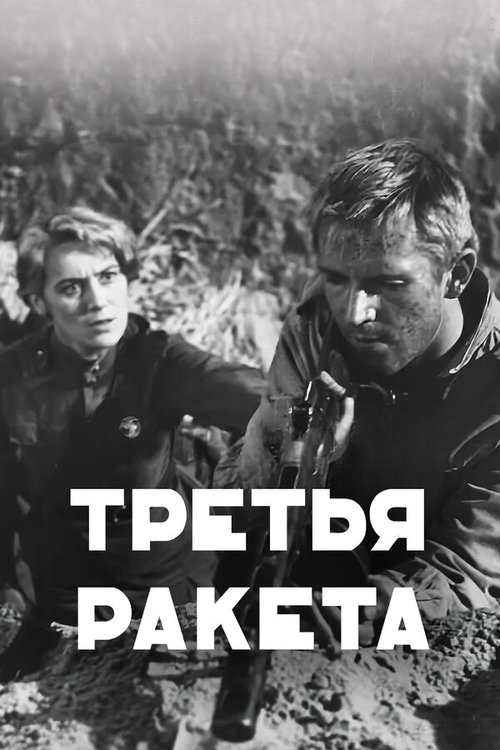
The Third Flare is a product of its specific historical and geopolitical era. While it provides a culturally distinct perspective that deconstructs Western notions of military glory, it remains limited by the social constraints of 1963 Soviet cinema. The film's strength lies in its thematic depth, exploring systemic pressure and moral ambiguity through the realities of WWII. However, this focus comes at the expense of demographic breadth. Ultimately, the work adheres to traditional hierarchies, lacking significant representation across gender, race, and sexual orientation, resulting in a narrow, though culturally specific, viewing experience.
Category Breakdown
The film does not include explicit LGBTQ+ characters or narratives that challenge the assumption that everyone is straight or cisgender. Its 1963 Soviet wartime setting focuses more on collective struggle than on queer identity.
Male combatants play a central role in the film, following conventional wartime roles. Female characters likely support or symbolize the narrative rather than driving it.
The cast likely reflects a homogeneous ethnic makeup typical of mid-century Soviet military films. It lacks the diverse representation seen in more modern global productions.
The film offers a strong critique of Western military idealism and individualistic heroism. It emphasizes collective survival and the moral ambiguities of systemic warfare.
There is no evidence of characters with visible or invisible disabilities within the narrative.
Present on Screen
Limited or Absent
Official Synopsis
A story about one of the hard days of WWII based on the novel by Vasiliy Bykov.
1957

1959
1984

2017
1983
1975

1965
1961
No reviews yet. Be the first to share your thoughts on this movie!
Use the rating form above to leave a star rating and optional review.