Kuma: The Second Wife
2012
No user ratings available yet
Representation score: 6.1 out of 10
Representation Score
Fair
2000
Director
Moufida Tlatli
Runtime
122 minutes
Average Rating
No ratings yetNew Showbiz Analysis
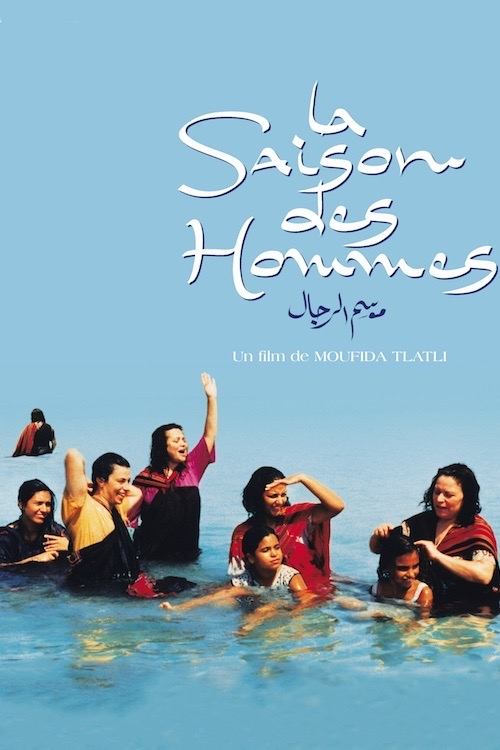
The Season of Men is a deep look at individual autonomy versus rigid social structures in post-colonial North Africa. It prioritizes the interior life of women, using the domestic sphere to explore both confinement and resistance. The film stands out with its authentic cultural framing and its challenge to traditional gender hierarchies and patriarchal authority. By focusing on a woman's fight for control, it moves beyond passive stereotypes to depict real systemic conflict. While the film lacks representation for LGBTQ+ identities or disabilities, its commitment to a non-Western perspective and gendered power dynamics makes it a significant piece of cinema.
Category Breakdown
The film does not include explicit LGBTQ+ narratives or characters with non-binary gender identities. It emphasizes the traditional heterosexual structures of 1960s Tunisia and the complexities of marital bonds.
The story centers around women's ability to drive the narrative and resist patriarchal authority. Aicha’s pursuit of economic independence through rug weaving disrupts the established domestic order.
The film offers an authentic portrayal of North African identity with an all-Tunisian cast. It avoids a Western perspective by immersing viewers in the local social landscape of Djerba.
The film explores the tension between personal desires and social regulations imposed by communal structures. It provides a nuanced critique of inherited social hierarchies in a post-colonial context.
There are no characters with physical or neurodivergent disabilities serving as central plot devices.
Present on Screen
Limited or Absent
Official Synopsis
An 18 year old on the island Djerba, Aicha, is married to Said, who works in Tunis for much of the year. Aicha breaks with tradition and decides to join Said in Tunis, weaving rugs to make money. Said asks that she give him a son, so Aicha lives under the rule of her mother-in-law.
2012
2016
2012
2004

2000
1996
2014
2017
No reviews yet. Be the first to share your thoughts on this movie!
Use the rating form above to leave a star rating and optional review.