Saaraba
1988
No user ratings available yet
Representation score: 6.4 out of 10
Representation Score
Fair
1996
Director
Safi Faye
Runtime
105 minutes
Average Rating
No ratings yetNew Showbiz Analysis
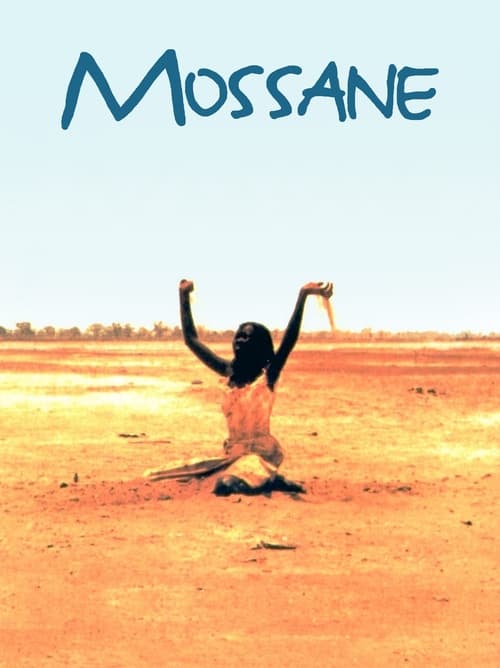
Mossane is a significant work of cinematic deconstruction that rejects Western narrative dominance. It succeeds by reconstructing the cinematic space to prioritize an African perspective rather than merely including diverse characters. The film provides a sophisticated exploration of women's ability to drive the story within a post-colonial framework. By centering the protagonist's psychological struggle against communal expectations, it offers a nuanced critique of traditional gender roles. While the film excels in racial and cultural authenticity, it lacks representation for LGBTQ+ identities and disability. However, its commitment to an indigenous worldview makes it a vital piece of non-Western centric storytelling.
Category Breakdown
The film focuses on traditional marriage and courtship within a rural Senegalese village. There is no depiction of LGBTQ+ identities or non-binary gender expressions.
The narrative centers the internal lived experience of a female protagonist. It explores the psychological tension between communal matrimonial expectations and her individual role in driving the story.
The film features an entirely Black cast and prioritizes an indigenous Senegalese worldview. It avoids an outsider perspective to present African social structures as the primary reality.
The story explores the tension between local traditions and the influences of the diaspora. It prioritizes communal ethics over Western individualistic or capitalist paradigms.
There are no prominent depictions of visible or invisible disabilities that drive the narrative.
Present on Screen
Limited or Absent
Official Synopsis
A beautiful 14-year-old girl has just reached marriageable age in a village in Senegal. She has many suitors; however, she is in love a poor student who has returned to the village while the university is on strike. At birth, she had been promised in marriage to Diogoye, who went away to work in France. Diogoye, who supplied her parents with many things over the years, has now sent a dowry, and asked that she be married to him in the village in his absence; she would then be sent to France.
1988

1973
1988

1988
2000

2010

2024

2005
No reviews yet. Be the first to share your thoughts on this movie!
Use the rating form above to leave a star rating and optional review.