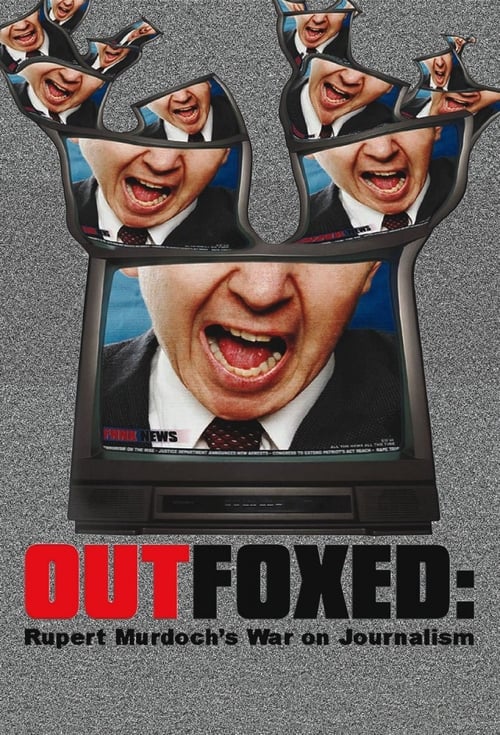
Outfoxed: Rupert Murdoch's War on Journalism
2004
No user ratings available yet
Representation score: 5.8 out of 10
Representation Score
Excellent
2022
Director
Valentine Oberti, Luc Hermann
Runtime
85 minutes
Average Rating
No ratings yetNew Showbiz Analysis
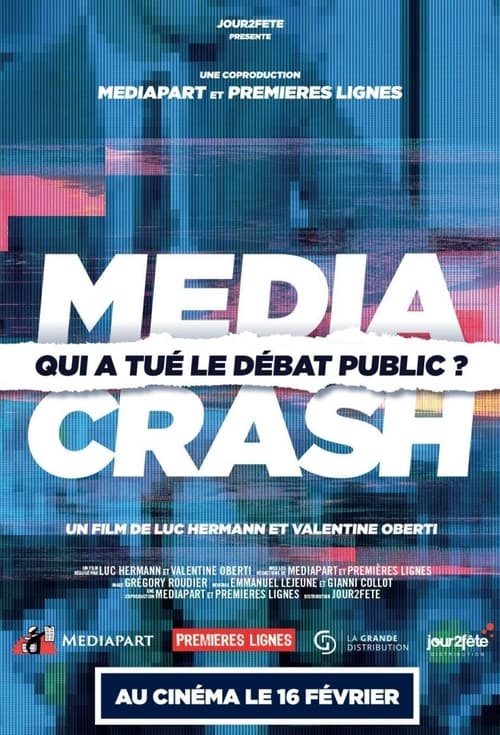
Media Crash serves as a systemic critique of the French information landscape. It deconstructs the idea of media as a neutral public service, instead framing it as a tool used by an oppressor class to shape public debate. The film's strength lies in its structural analysis of power. By exposing how billionaire industrialists use media to defend private interests, it provides a skeptical, non-traditional view of established social and economic institutions. However, the documentary does not engage with identity-based representation in a traditional cinematic sense. It prioritizes the critique of concentrated capital and political complicity over specific demographic storytelling.
Category Breakdown
The documentary focuses on media ownership and political complicity rather than identity-based narratives. There are no specific LGBTQ+ depictions or celebratory themes in the film.
The film critiques the dominance of billionaire industrialists and political leaders. This investigation into concentrated power implicitly challenges the masculine-coded hierarchies of media conglomerates.
The narrative examines the concentration of private media in France. It implies a scrutiny of the homogeneous elite classes that typically govern Western media landscapes.
The film adopts a progressive, anti-institutional framework. It portrays Western media and political structures as tools for private interests rather than the public good.
Disability representation is not a central component of this investigative documentary. The film's focus remains on systemic media corruption and political influence.
Present on Screen
Limited or Absent
Official Synopsis
There is what you see, what some people want you to see, and what you don't see. Never has France known such a concentration of private media. A few billionaire industrialists, owners of televisions, radios, newspapers use their media to defend their private interests. To the detriment of information of public interest. By hiding what is essential, by magnifying what is accessory, these media shape, orientate, hysterize for some the debate. With the complicity of certain political leaders, who willingly accept it. Mediapart and Premières Lignes tell you what goes on behind the scenes in the media.
2004
2019
1998
2016
2012
2010
2012
2019
No reviews yet. Be the first to share your thoughts on this movie!
Use the rating form above to leave a star rating and optional review.