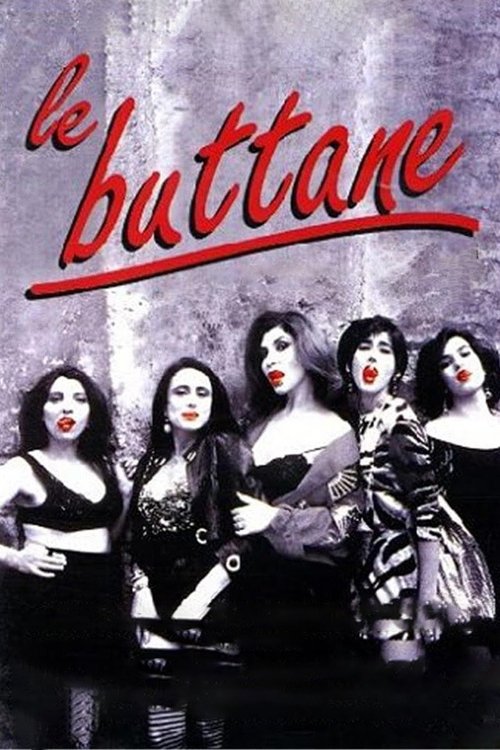
The Whores
1994
No user ratings available yet
Diversity score: 6.7 out of 10

1969
PGDirector
Alessio de Paola
Runtime
83 minutes
Average Rating
No ratings yetSynopsis
After bumming across the Southwest, a tough, young woman steals a car and runs off to Mexico, where she visits a bordello and is indoctrinated by a lesbian.
Overall Score
Good
Category Breakdown
LGBTQ+ Representation
The film centers on a protagonist's ideological shift through an encounter with a lesbian figure. This relationship drives character development within a bordello setting, exploring non-traditional sexual dynamics.
Gender Representation
A tough, young woman drives the narrative, exercising agency through theft and independent travel. The film avoids domestic tropes, instead presenting a proactive protagonist who subverts traditional femininity.
Racial & Ethnic Diversity
The setting moves from the American Southwest to Mexico, providing a backdrop for cross-cultural interaction. However, the specific ethnic composition of the supporting cast remains unstated.
Religious & Cultural Diversity
The narrative prioritizes personal liberation and situational ethics over conventional social mores. It explores marginalized spaces to deconstruct traditional Western institutions and moral hierarchies.
Disability Representation
There is no evidence regarding the portrayal of physical or neurodivergent disabilities in this work.
Strengths
Areas for Improvement
AI Analysis
Chastity is a study in transgression and identity formation that challenges the social hierarchies of the late 1960s. By centering on a female protagonist who rejects traditional structures, the film moves away from the era's standard cinematic conventions. The film excels in its depiction of gender agency and LGBTQ+ themes, using a bordello setting to explore non-normative interpersonal influences. These elements provide a character-driven approach to subverting heteronormative expectations. While the cultural landscape is broad, the film's specific racial and ethnic details are less defined. The narrative's strength lies in its focus on individual experience and the rejection of mainstream moral codes.
1994
1985

1978

1972

1961

1986

2014
1962

1983

1973

1985

1968
No reviews yet. Be the first to share your thoughts on this movie!
Use the rating form above to leave a star rating and optional review.