The Mistress
1962
No user ratings available yet
Representation score: 5.3 out of 10
Representation Score
Fair
1965
Director
Paolo Spinola
Runtime
92 minutes
Average Rating
No ratings yetNew Showbiz Analysis
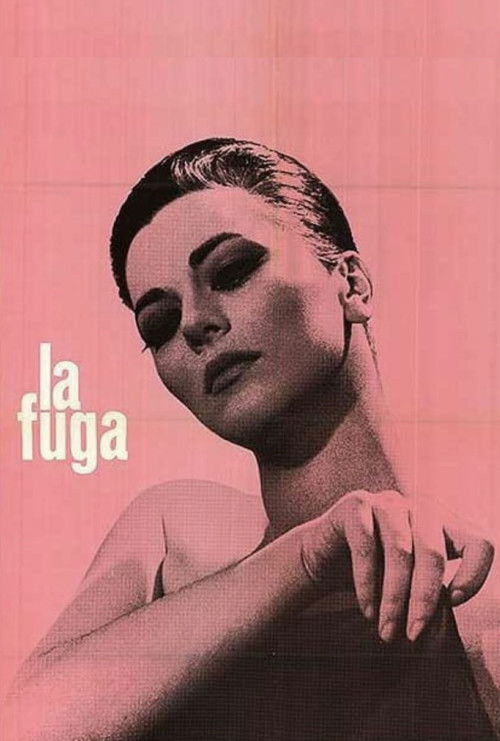
Paolo Spinola’s *La Fuga* is a psychological character study that challenges mid-century domestic ideals. By focusing on a woman's dissatisfaction within marriage and her attraction to another woman, the film questions the rigid straight-centered and patriarchal norms of the 1960s. The narrative emphasizes individual emotional ability to act over the preservation of traditional family units. It uses queer intimacy as a tool to critique the constraints of conventional domesticity. While the film provides a nuanced exploration of identity and ability to act, there is insufficient information to assess racial or disability representation.
Category Breakdown
The film focuses on a woman entering a lesbian relationship, which becomes a key element in her personal growth and liberation.
The story challenges traditional gender roles by emphasizing a female protagonist's internal struggle and psychological autonomy over her marital duties.
There is insufficient evidence to assess racial diversity. The film appears to focus on class and gendered dynamics within a specific European social stratum.
The film examines the emotional truth of the protagonist's experience rather than traditional Christian morality. It frames her escape from her marriage as a response to oppression, questioning the sanctity of the Western family unit.
No information is available regarding the depiction of physical or neurodivergent disabilities in this work.
Present on Screen
Limited or Absent
Official Synopsis
A young married woman who is desperately unhappy is tempted into a lesbian relationship with an interior decorator.
1962

1957

1978

1964
1964

1969

1989
1968
No reviews yet. Be the first to share your thoughts on this movie!
Use the rating form above to leave a star rating and optional review.