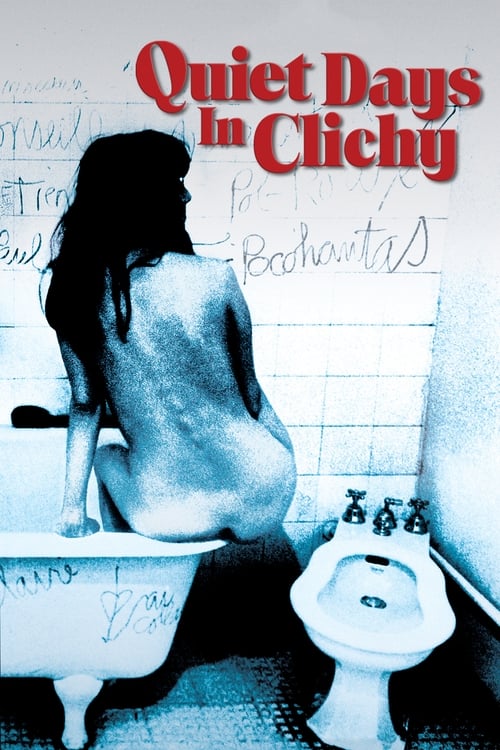
Quiet Days in Clichy
1970
No user ratings available yet
Representation score: 5.4 out of 10

Representation Score
Fair
1974
RDirector
Bertrand Blier
Runtime
117 minutes
Average Rating
No ratings yetNew Showbiz Analysis
Going Places is a study of social disruption that challenges traditional gender roles while focusing narrowly on a specific demographic. By highlighting Marie-Ange's pursuit of sexual fulfillment, the film gives her a significant role in driving the story, contrasting with the volatile male characters. However, the film remains rooted in a homogeneous French context, offering limited racial or LGBTQ+ representation. This lack of diverse perspectives keeps the social critique centered on class and gender issues. Ultimately, the film's strength lies in its aggressive dismantling of bourgeois stability and traditional morality, making it a potent, albeit narrow, exercise in postmodern rebellion.
Category Breakdown
The film focuses on heterosexual relationships and traditional romance, lacking prominent LGBTQ+ characters or stories that question the assumption that everyone is straight or cisgender.
The story emphasizes female desire and independence, especially through Marie-Ange, who is shown as a sexually confident leader rather than a passive figure.
The cast is predominantly made up of people from similar backgrounds, reflecting a specific 1970s French social context. There is no intentional use of diverse ethnic ensembles or actors from different backgrounds.
The film breaks down Western middle-class institutions and traditional social manners. It portrays anti-social behavior as a form of liberation against established moral rules.
The narrative does not focus on visible or invisible disabilities and does not use disability as a central theme or plot device.
Present on Screen
Limited or Absent
Official Synopsis
Two whimsical, aimless thugs harass and assault women, steal, murder, and alternately charm, fight, or sprint their way out of trouble. They take whatever the bourgeoisie holds dear, whether it’s cars, peace of mind, or daughters. Marie-Ange, a jaded, passive hairdresser, joins them as lover, cook, and mother confessor. She’s on her own search for seemingly unattainable sexual pleasure.
1970

1986
1998

1966
1975
1969
1960

1970
No reviews yet. Be the first to share your thoughts on this movie!
Use the rating form above to leave a star rating and optional review.