
Cousin Angelica
1974
No user ratings available yet
Representation score: 6.8 out of 10

Representation Score
Good
1961
Director
Jomí García Ascot
Runtime
70 minutes
Average Rating
No ratings yetNew Showbiz Analysis
On the Empty Balcony is a character-driven drama that emphasizes inner psychological states over traditional heroic arcs. By focusing on a female refugee's trauma, it moves away from the melodramatic clichés common in 1960s cinema. The film succeeds in offering a non-Western perspective through its Mexican setting and exploration of migration. It challenges conventional moralistic storytelling by embracing a secular, existentialist framework. However, the film lacks explicit LGBTQ+ characters or stories that go beyond the assumption that everyone is straight. Additionally, it treats psychological trauma more atmospherically than through a focused study of mental health issues.
Category Breakdown
The film does not include explicit LGBTQ+ characters or stories that go beyond the assumption that everyone is straight. Its minimalist approach leaves room for personal interpretation, but there are no clear representations of LGBTQ+ experiences.
A female protagonist drives the story, focusing on her internal thoughts and emotions. This shifts the focus away from traditional male-dominated narratives by centering a woman's traumatic memories over external actions.
Set in Mexico City with a mostly Mexican cast, the film provides a non-Western viewpoint. It delves into the identity of a Spanish refugee within a Mexican context.
The film avoids idealized family structures or national pride, instead presenting a fragmented, secular view of human existence and psychological truth.
The story explores the invisible disability of memory fragmentation and psychological trauma. However, the portrayal is more atmospheric than a detailed look at mental health issues.
Present on Screen
Limited or Absent
Official Synopsis
About a woman who was a child refugee from the Spanish Civil War, and is now living as an adult in Mexico City. She tries to remember the traumatic events of her childhood.
1974
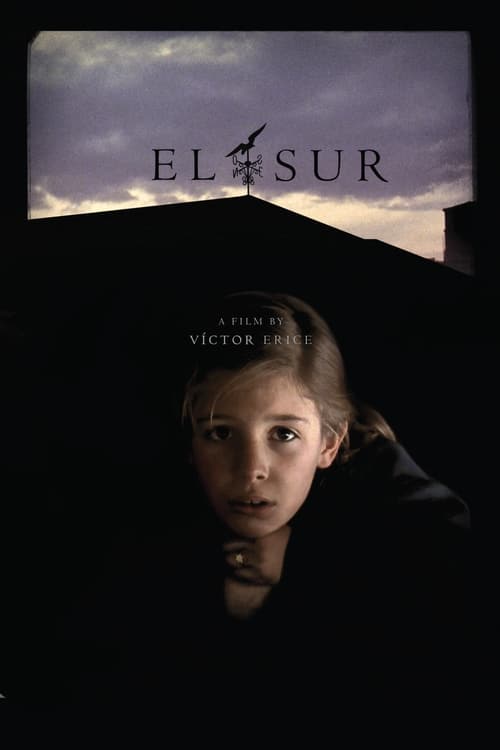
1983
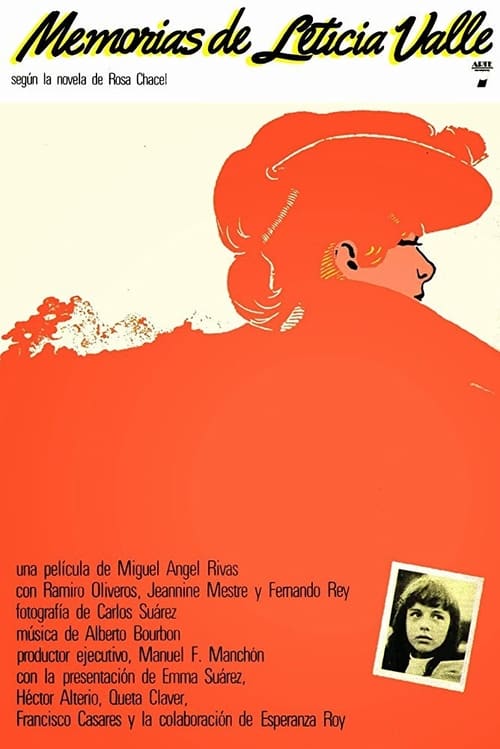
1980

2011
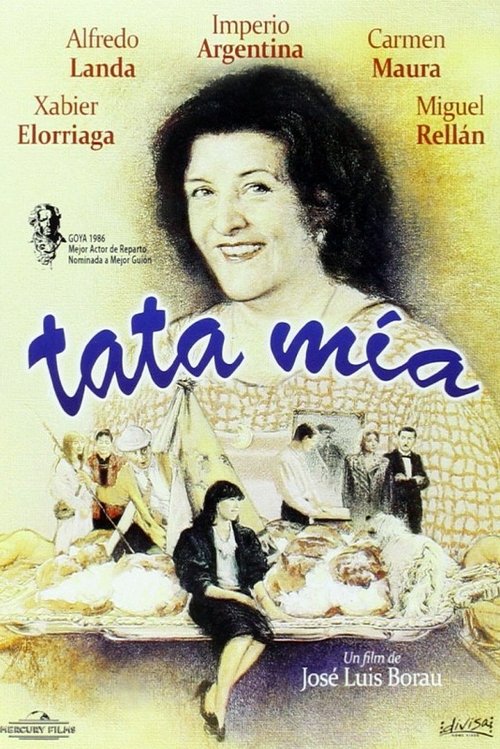
1986
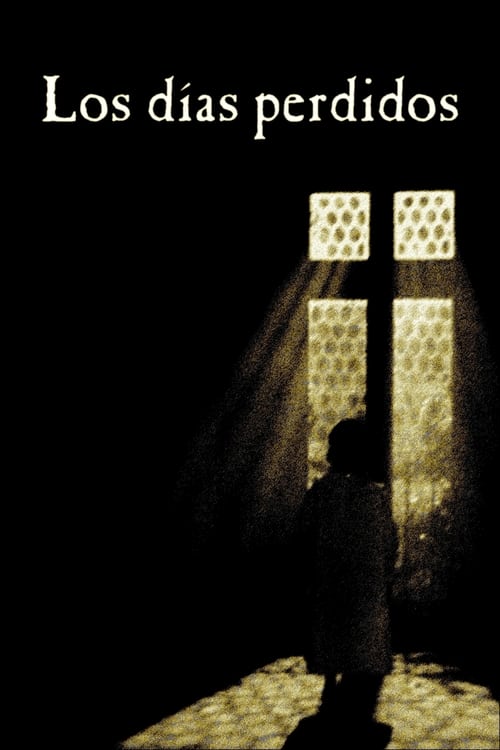
1963

2001
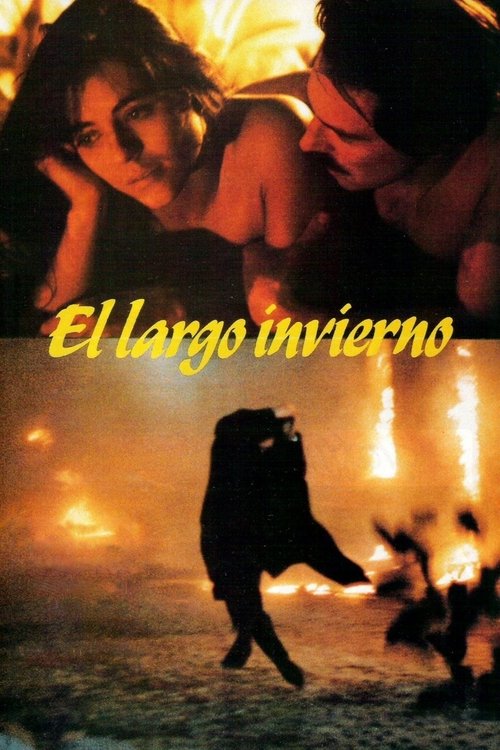
1992
No reviews yet. Be the first to share your thoughts on this movie!
Use the rating form above to leave a star rating and optional review.