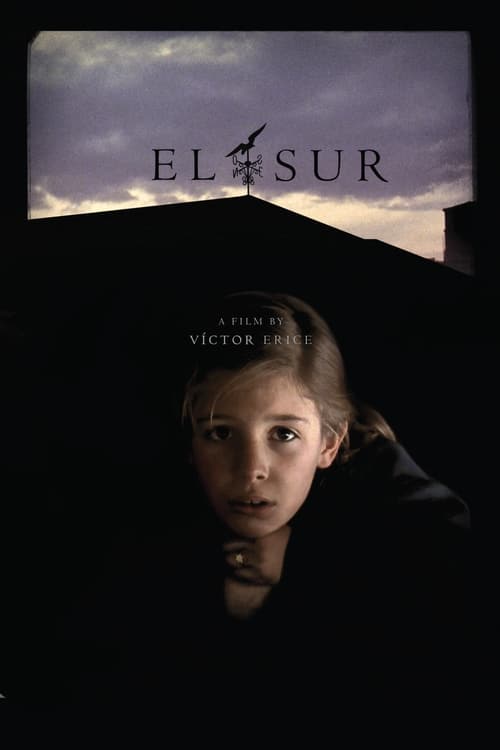
El Sur
1983
No user ratings available yet
Representation score: 3.0 out of 10
Representation Score
Minimal
1963
Director
Víctor Erice
Runtime
41 minutes
Average Rating
No ratings yetNew Showbiz Analysis
Víctor Erice employs a poetic visual language to explore the tension between personal experiences and systemic constraints. The film serves as a subtle critique of the oppressive atmosphere during the Francoist era, using allegory to question the stability of traditional Spanish institutions. Its focus is deeply rooted in the historical and geographic context of mid-century Spain.
Category Breakdown
The film does not explicitly depict non-binary or LGBTQ+ identities. Instead, it focuses on social and domestic transitions within a traditional mid-century framework.
A married woman's perspective drives the emotional journey as she returns to Madrid. However, the film adheres to the conventional social roles and gender hierarchies of the 1960s.
The production reflects the homogeneous demographics of post-Civil War Spain. There is no indication of racial diversity or non-white casting in the setting.
The film critiques the oppressive atmosphere of the Francoist era. It portrays social structures as psychologically stifling and morally constraining.
There is no documented evidence of characters with visible or invisible disabilities in the narrative.
Present on Screen
Limited or Absent
Official Synopsis
A married woman living in France returns to Madrid to bury her father.
1983

1963
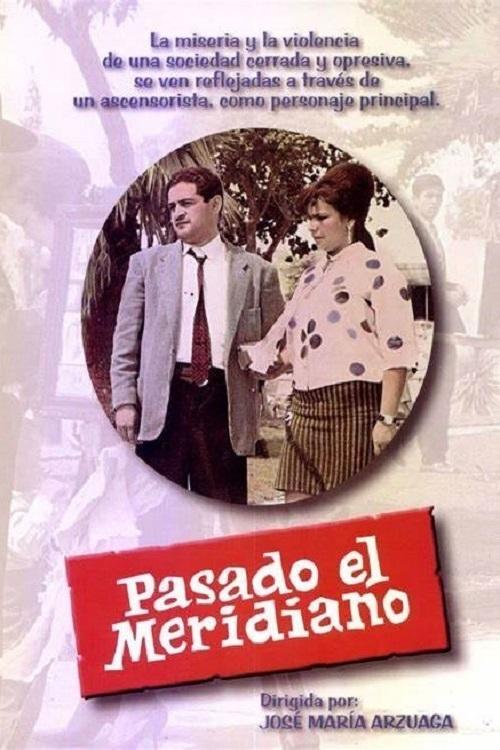
1967

1974

1972

2018
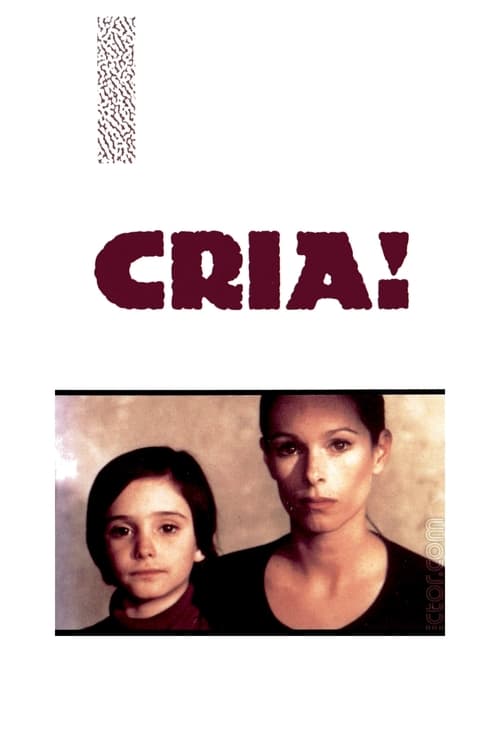
1976
1977
No reviews yet. Be the first to share your thoughts on this movie!
Use the rating form above to leave a star rating and optional review.