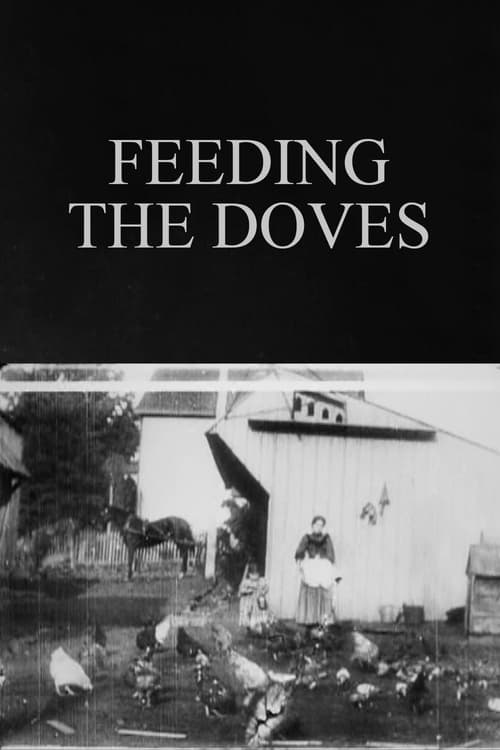
Feeding the Doves
1896
No user ratings available yet
Representation score: 1.4 out of 10
Representation Score
Minimal
1896
Director
Louis Lumière
Runtime
1 minutes
Average Rating
No ratings yetNew Showbiz Analysis
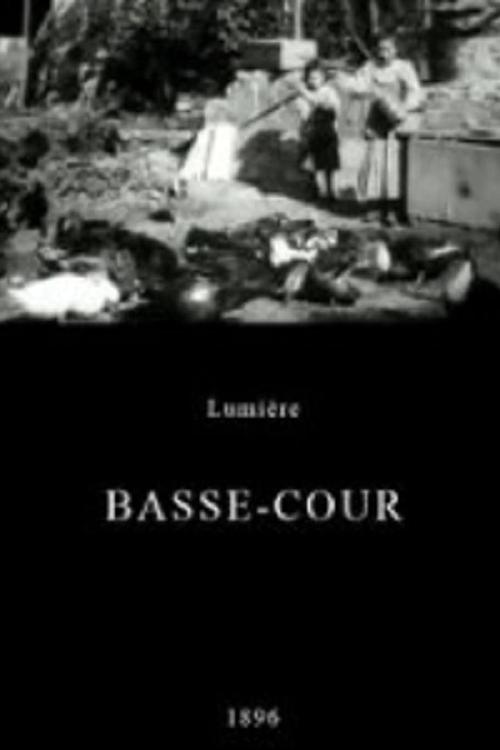
Poultry-Yard serves as a historical artifact of the 'actualité' genre rather than a structured narrative. Because it lacks a scripted arc or character development, it does not engage with complex social themes or intentional representation. The film captures a quiet, stable moment of domestic labor. While it provides visibility to female figures in an agricultural setting, it remains a product of its specific historical and technological moment, reflecting the era's standard social constraints. Ultimately, the lack of diversity is a result of the film's observational nature. It lacks the structural complexity needed to address multiple aspects of identity or progressive social structures.
Category Breakdown
The film is a brief, non-narrative recording of agricultural life. It contains no evidence of LGBTQ+ identities or non-traditional gender expressions.
Female figures, including two children and a woman, are shown performing domestic and agricultural labor. The absence of male figures means there is no clear depiction of gendered power dynamics.
The subjects reflect the homogeneous demographic of late 19th-century France. There is no evidence of racial diversity or non-Anglo-Saxon casting.
The footage depicts a traditional, agrarian lifestyle centered on subsistence. It reinforces a sense of historical normalcy within Western rural life.
There is no visible evidence of neurodivergence, physical disability, or chronic illness. The subjects perform standard physical tasks without any disability-related narratives.
Present on Screen
Limited or Absent
Official Synopsis
Two girls do one of their chores. Standing alongside a tree-lined farmhouse, two children who are about ten and four years old toss grain to a flock of about 50 domesticated ducks. A woman watches them briefly and then moves on. The older girl has her grain in a bucket, the younger one's grain is in her apron. The children stay in one spot, as does the camera; it's the ducks that move around. Chickens are in the background; only one braves the ducks' territory.
1896

1927
1895
1896
1897
1896
1899
1896
No reviews yet. Be the first to share your thoughts on this movie!
Use the rating form above to leave a star rating and optional review.