The Cheat
1915
No user ratings available yet
Diversity score: 2.3 out of 10
1918
NRDirector
Cecil B. DeMille
Runtime
86 minutes
Average Rating
No ratings yetSynopsis
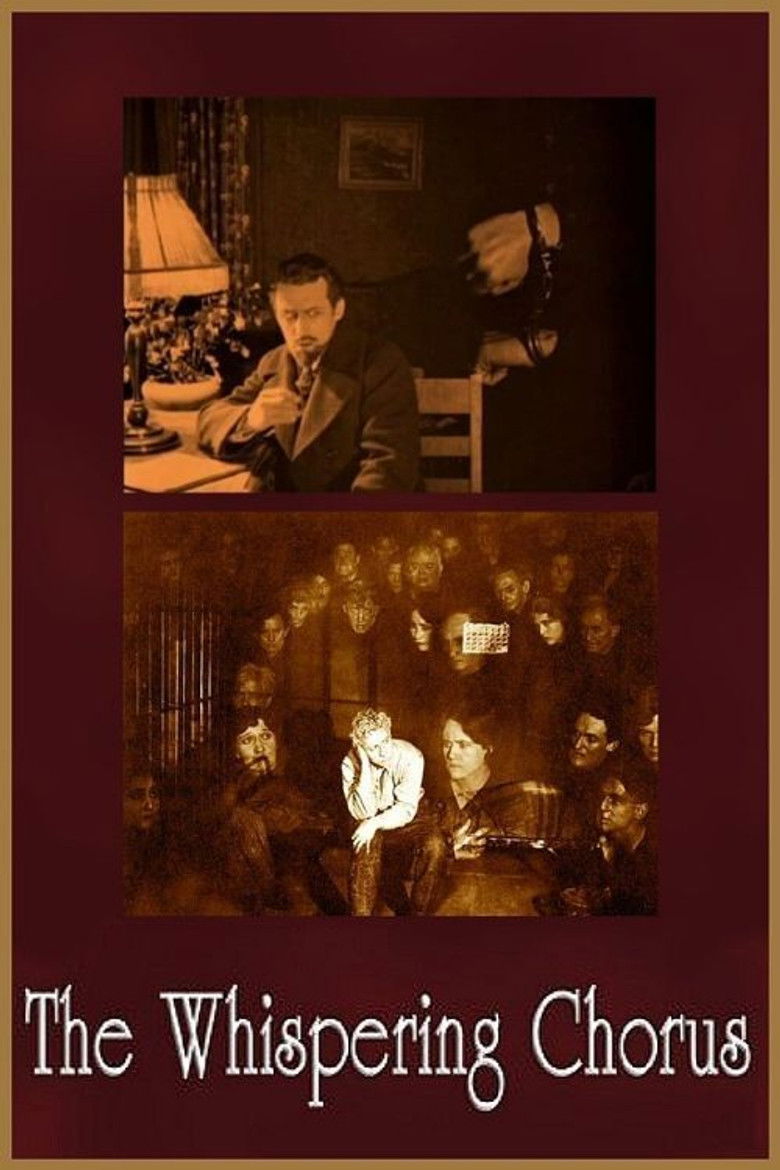
John Trimble has embezzled and obtains another identity by having a mutilated body buried in his place. He is later arrested for murdering himself. During the trial his mother, before dying from shock, asks him to keep his identity secret since his wife is now married to the Governor and expecting a child.
Overall Score
Minimal
Category Breakdown
LGBTQ+ Representation
The film follows a traditional trajectory of sin and familial consequence. There is no evidence of non-cisnormative identities or same-sex intimacy.
Gender Representation
Enid Bennett holds a central role, but women primarily function as moral anchors. The plot prioritizes male agency regarding crime and identity over female autonomy.
Racial & Ethnic Diversity
The production features a homogeneous cast typical of the early silent era. There is no evidence of non-white or intersectional casting to challenge social norms.
Religious & Cultural Diversity
The narrative reinforces traditional institutions like family and the legal system. It frames crime through a lens of personal moral failing rather than systemic critique.
Disability Representation
A mutilated body serves as a functional plot device for identity deception. This use of physical trauma lacks nuanced representation or character agency.
Strengths
Areas for Improvement
AI Analysis
The Whispering Chorus is a quintessential product of early Hollywood, adhering to the rigid moral frameworks and traditional storytelling common in Cecil B. DeMille's early work. The film prioritizes a narrative of temptation and redemption that reinforces the social hierarchies of its time. Representation is minimal, with the cast appearing homogeneous and the plot centering on male-driven crime and consequence. While women occupy central roles, they are relegated to domestic or emotional spheres rather than driving the action. Ultimately, the film functions as a moralistic drama that upholds conventional Western values, offering little in the way of social subversion or diverse perspectives.
1915
1931
1927
1919
1932
1933
1931
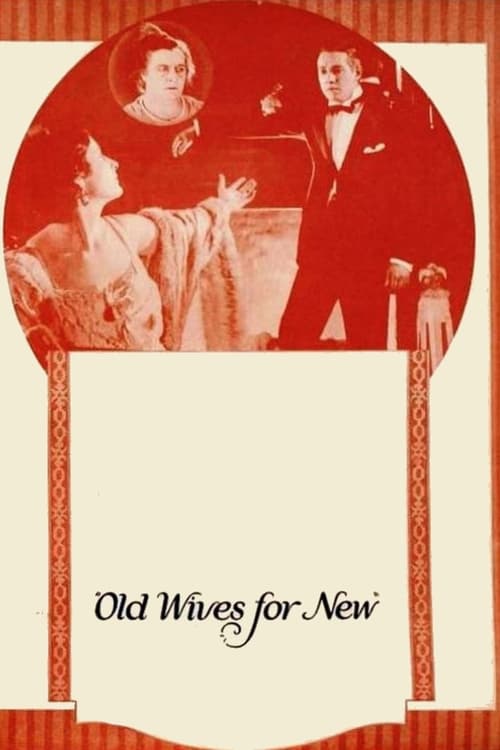
1918
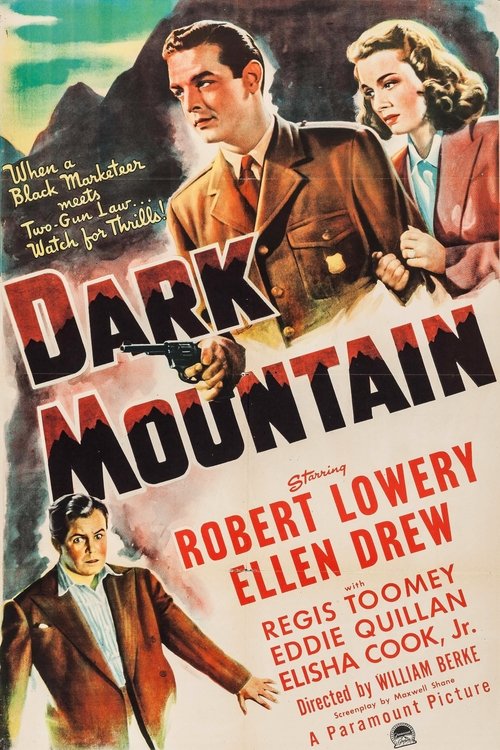
1944
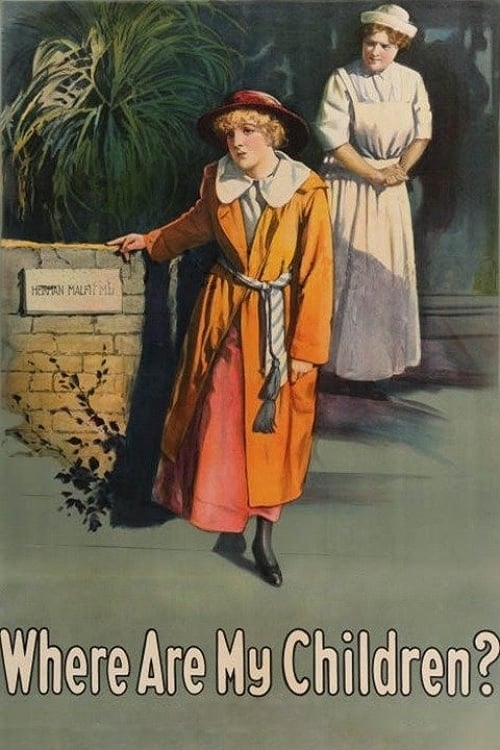
1916
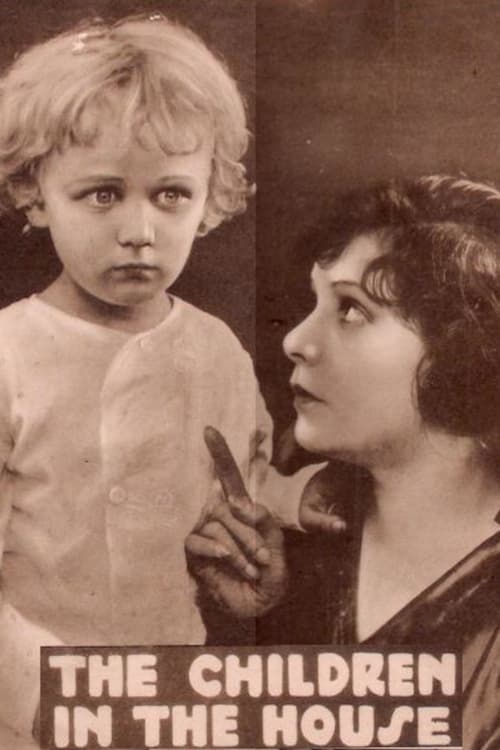
1916
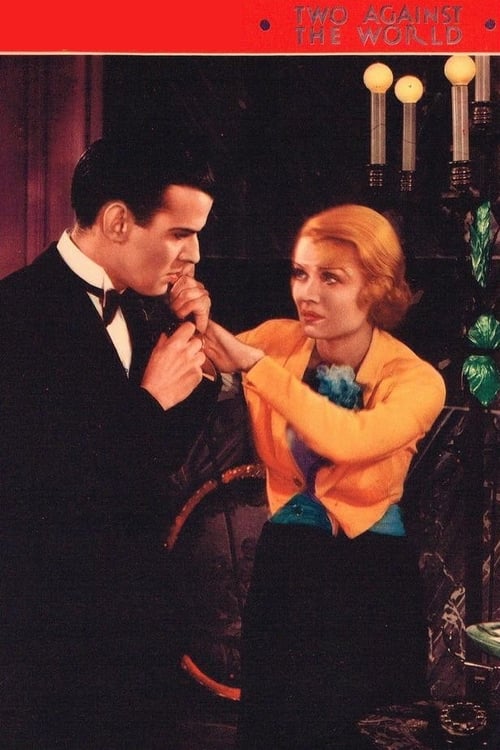
1932
No reviews yet. Be the first to share your thoughts on this movie!
Use the rating form above to leave a star rating and optional review.