Devil and the Angel
1946
No user ratings available yet
Representation score: 5.5 out of 10
Representation Score
Fair
1959
Director
Denys de La Patellière
Runtime
100 minutes
Average Rating
No ratings yetNew Showbiz Analysis
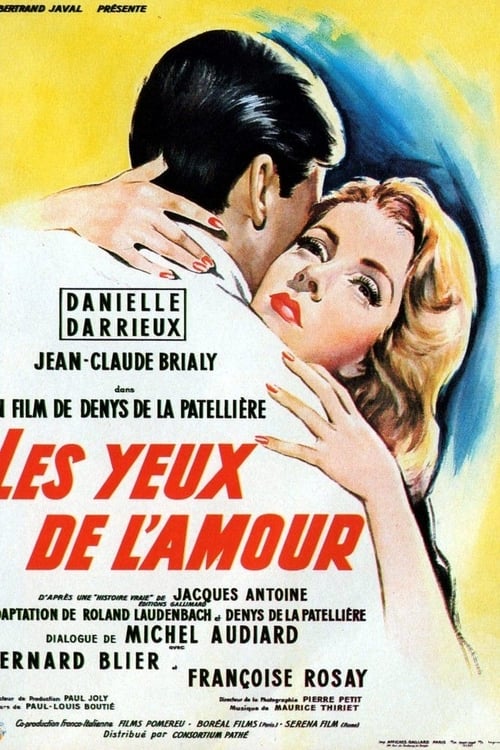
Eyes of Love is a traditional mid-century period drama that emphasizes personal psychological dynamics over broader social critiques. Set against the backdrop of the German occupation of France, the film focuses on individual experiences rather than systemic issues. The film's most notable engagement is with physical disability, as it centers the plot on Pierre Ségur's loss of sight. This allows the narrative to explore themes of resilience and caregiving. However, the film operates within the conventional social structures of the time, lacking the complexity of multiple intersecting identities.
Category Breakdown
The film does not include non-straight relationships or narratives that question the assumption that everyone is straight. The story revolves around a central relationship between a female protagonist and a male refugee.
Jeanne serves as the emotional core, navigating psychological landscapes and familial conflicts. However, her journey is heavily influenced by traditional caregiver roles and external validation.
Set during the German occupation of France, the narrative features a predominantly white, European cast. There is no indication of racially diverse casting or blending.
The drama explores themes of survival and morality within a mid-century Western European context. It does not explicitly criticize Western or capitalist institutions.
Pierre Ségur’s loss of sight is a key plot element. While the film centers on his physical trauma, it is unclear if he fully controls his own destiny.
Present on Screen
Limited or Absent
Official Synopsis
During the German occupation, Jeanne Moncatel, pretty but complexed, has to put up with her mother, a cantankerous old woman who keeps telling her she's ugly, which she also believes. She takes in Pierre Ségur, who was fleeing the Germans and had his eyes burned out. His life is turned upside down.
1946
1949
1985

1975
1960
1962
1959
1958
No reviews yet. Be the first to share your thoughts on this movie!
Use the rating form above to leave a star rating and optional review.