The Last Stage
1948
No user ratings available yet
Representation score: 7.5 out of 10
Representation Score
Fair
1985
Director
Antonín Moskalyk
Runtime
94 minutes
Average Rating
No ratings yetNew Showbiz Analysis
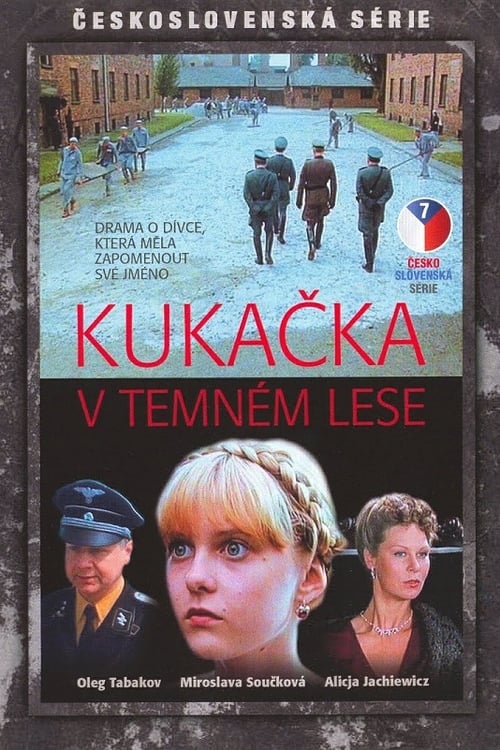
Cuckoo in a Dark Forest is a period drama that uses the historical trauma of World War II to explore systemic oppression. It prioritizes the psychological impact of a racially motivated political system over modern diversity. The film's strength lies in its critique of institutionalized cruelty. By exposing the duality of the commandant, the narrative disrupts conventional expectations of heroic leadership and moral authority. However, the film lacks contemporary diversity markers. The power dynamics are heavily skewed toward male authority, and the narrative does not feature a diverse, multi-ethnic ensemble or LGBTQ+ representation.
Category Breakdown
The film does not include any explicit LGBTQ+ characters or non-straight relationships. The story focuses on interpersonal tension within a traditional heterosexual framework.
Emilka serves as the central protagonist, driving the emotional weight of the story. However, the structural power remains rooted in masculine hierarchies and male authority figures.
The story highlights the racialized 'selection' processes of the Nazi era through Emilka's appearance. It focuses on the ethnic tension between German occupiers and the Czech population.
The film critiques the oppressive structures of the Third Reich. It portrays historical institutions as sites of systemic failure and profound moral ambiguity.
There is no visible or mentioned representation of physical or neurodivergent disabilities in the narrative.
Present on Screen
Limited or Absent
Official Synopsis
Set in World War 2 as the Germans occupy Czechoslovakia, teenage Emilka's father is murdered by the Nazis, but she is selected for special treatment by virtue of being blonde. She is billeted with the commandant of a concentration camp near the Baltic coast, where his kindness towards her provokes his wife's jealousy, but is compromised when Emilka witnesses his brutality towards the prisoners.
1948

1965
2016
2015
1959
2001

1977
2009
No reviews yet. Be the first to share your thoughts on this movie!
Use the rating form above to leave a star rating and optional review.