
The Blood of Others
1984
No user ratings available yet
Representation score: 2.9 out of 10
Representation Score
Fair
1960
Director
Claude Autant-Lara
Runtime
95 minutes
Average Rating
No ratings yetNew Showbiz Analysis
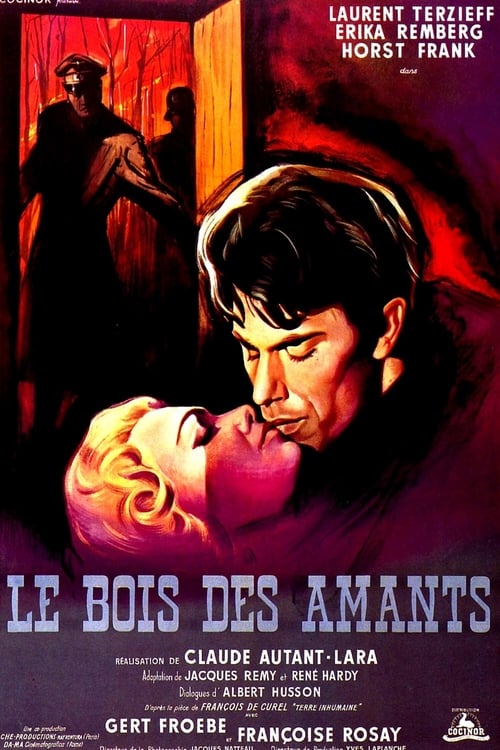
Lovers Woods is a sophisticated critique of wartime tribalism that prioritizes individual human connection over nationalistic duty. It succeeds in disrupting conventional expectations of heroism by elevating a cross-border romance above geopolitical conflict. However, the film remains limited by its historical setting, resulting in a lack of racial and LGBTQ+ diversity. The narrative structure adheres to traditional gendered archetypes and a strictly Western European perspective. Ultimately, the film's strength lies in its moral relativism rather than modern characters who reflect more than one aspect of diversity.
Category Breakdown
The film focuses on a heterosexual relationship between a French Resistance member and a German woman. Although there are no explicit LGBTQ+ identities, the forbidden nature of their relationship suggests a critique of societal norms.
Herta plays a significant role in driving the story, actively pursuing a dangerous romance despite her position. However, the narrative still leans on traditional masculine archetypes through the male protagonist’s involvement in the Resistance.
Set in occupied Brittany, the film features an ethnically homogeneous cast. The story operates within a strictly Western European framework, reflecting the historical and geographical constraints of 1943.
The narrative humanizes the enemy by framing a cross-border romance as a central theme. It disrupts wartime binaries and critiques the absolute righteousness of warring factions through its tragic ending.
There is no discernible representation of physical or neurodivergent disabilities within the story.
Present on Screen
Limited or Absent
Official Synopsis
1943, Christmas Eve in occupied Brittany. Charles, a member of the Resistance, is parachuted into the house of his mother, Madame Parisot, where he meets Herta, a young German woman who has come to accompany her officer husband. Despite the situation, the two young people fall in love and protect each other, but their love is short-lived, interrupted at dawn by a deadly English bomb.
1984
1974
2011
1961
1979
1958
1942
2015
No reviews yet. Be the first to share your thoughts on this movie!
Use the rating form above to leave a star rating and optional review.