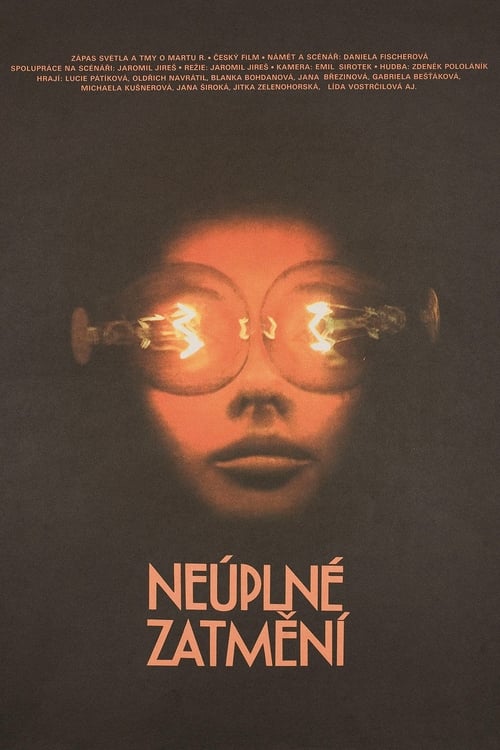
Incomplete Eclipse
1983
No user ratings available yet
Representation score: 7.4 out of 10
Representation Score
Good
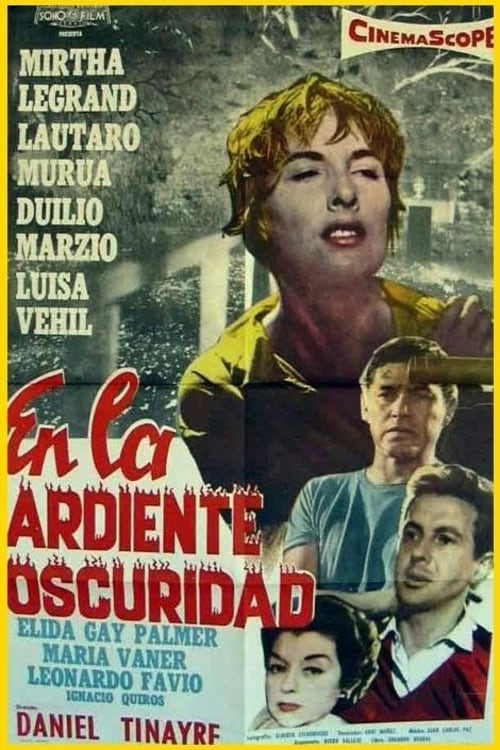
1959
AtpDirector
Daniel Tinayre
Runtime
90 minutes
Average Rating
No ratings yetNew Showbiz Analysis
Daniel Tinayre’s drama succeeds in providing a sophisticated exploration of sensory experience. By centering the narrative on the lived reality of blind characters, the film moves past mere physical description to address deep psychological landscapes. While the film excels in disability representation, it remains a product of its era. The demographic and social structures reflect mid-century Argentine norms, resulting in a more homogeneous cast and traditional romantic framework. Ultimately, the work is a character-driven study of how individuals perceive themselves through their physical constraints, prioritizing emotional depth over modern multi-layered diversity.
Category Breakdown
The film follows a traditional romantic arc between two blind inmates. There is no explicit evidence of queer subtext or non-straight relationships within the narrative.
The female lead acts as a vital catalyst for the protagonist's psychological evolution. This gives her significant influence, moving her beyond a passive role to shape the main character's journey.
Reflecting mid-century Argentine cinematic standards, the film appears to lean toward a homogeneous representation. The narrative lacks descriptions of a diverse ensemble or specific ethnic casting.
The story focuses on interpersonal dynamics and emotional relativism within a specialized institution. It prioritizes the characters' internal psychological truths over broader societal or anti-Western critiques.
The film offers a nuanced look at visual impairment, focusing on the existential impact of blindness. It avoids static clichés by centering the characters' ability to act and transformative relationships.
Present on Screen
Limited or Absent
Official Synopsis
In an institution for the blind, a man rails against his misfortune, his energy and thinking distorted by a need to fight his blindness. Unhappy and unable to come to grips with his condition, he stirs a sympathetic chord in another blind inmate. She in turn, slowly enters into a relationship with him that starts to transform the ways he perceives himself and his blindness.
1983

1964
2004
1965
1957
1961

1948
1962
No reviews yet. Be the first to share your thoughts on this movie!
Use the rating form above to leave a star rating and optional review.