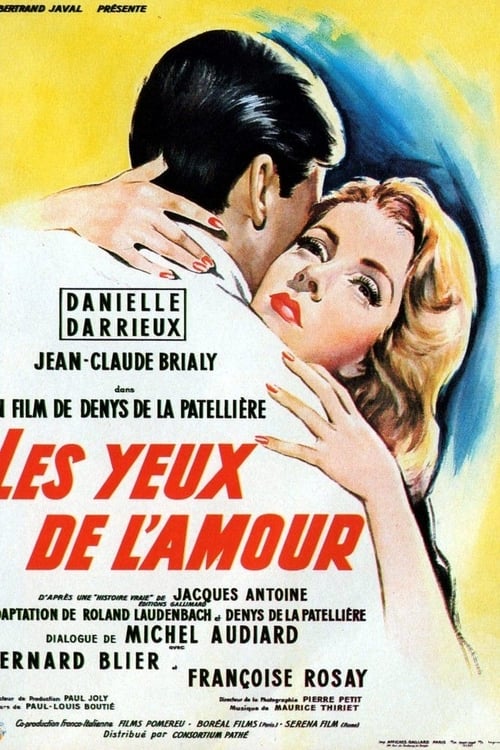
Eyes of Love
1959
No user ratings available yet
Representation score: 4.9 out of 10
Representation Score
Fair
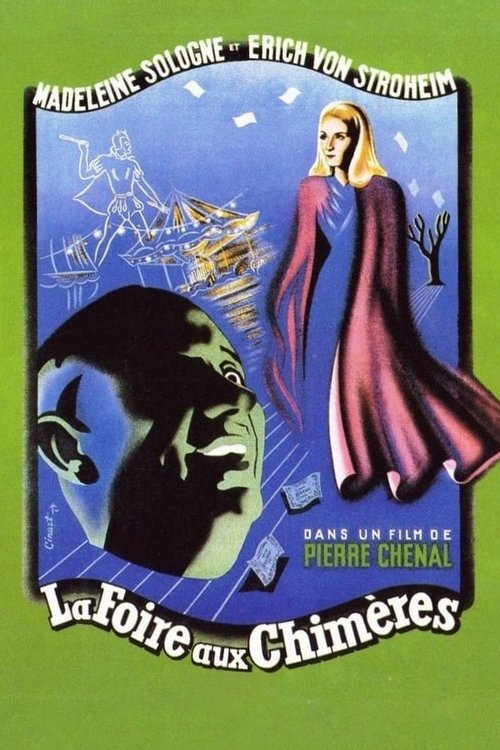
1946
Director
Pierre Chenal
Runtime
107 minutes
Average Rating
No ratings yetNew Showbiz Analysis
Pierre Chenal’s drama presents a detailed exploration of psychological breakdown and moral ambiguity. Despite being limited by the demographic uniformity of 1940s French cinema, the film avoids simplistic moral lessons by delving into the complex reasons behind Frank's criminal behavior. Jeanne's journey from blindness to perceptual clarity gives her significant influence over her life. This transformation challenges the typical role of a submissive wife, leading her to choose an independent path. However, the film is confined by its era, lacking racial and LGBTQ+ diversity and sticking to traditional romantic themes.
Category Breakdown
The film doesn't include any explicit LGBTQ+ characters or non-straight relationships. It focuses on a traditional romantic relationship between Frank and Jeanne, following the social norms of the 1940s.
Jeanne's journey challenges the idea of her being vulnerable by showing her gaining moral clarity. While Frank takes on the role of a provider, his involvement in crime disrupts the usual ideas of stable and leading male roles.
This mid-century French film reflects the demographic norms of its time, which were largely homogeneous. There is no indication of non-white actors or racial diversity in the story.
The film looks at personal morality through Frank's criminal actions towards his wife. Moving from a domestic setting to a circus highlights a shift towards less conventional social structures.
Jeanne's blindness is a key part of the power dynamics rather than just a plot point. Her recovery of sight marks a turning point for her moral independence and strength.
Present on Screen
Limited or Absent
Official Synopsis
The Director of an international banknote printing institute, mutilated by the face of the Great War, Frank Davres, falls in love with a young woman, Jeanne, admirably beautiful, but blind. He marries her. For her, he ruins himself and comes to issue counterfeit banknotes. The young woman does everything to make people forget her infirmity. One day, following an operation, she recovers her sight and notices the physical and moral ugliness of her husband. She hides her cure until the day when Frank, taken by the police, kills one of his accomplices and commits suicide. Jeanne leaves to join a friend with whom she was performing in a circus.
1959
1938
1946
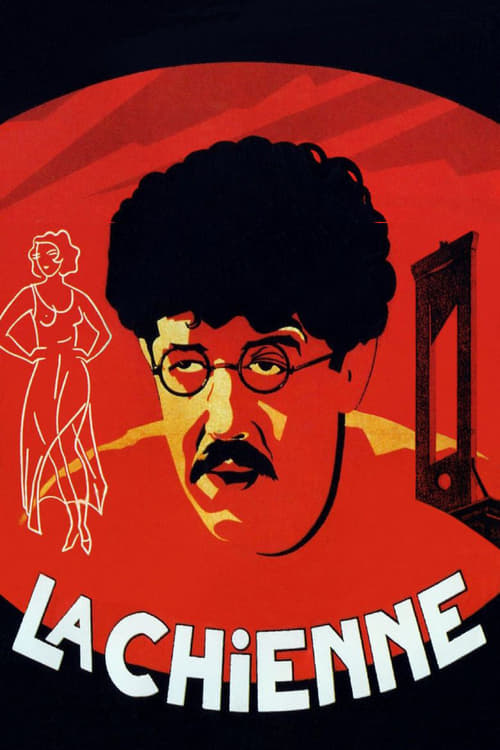
1931
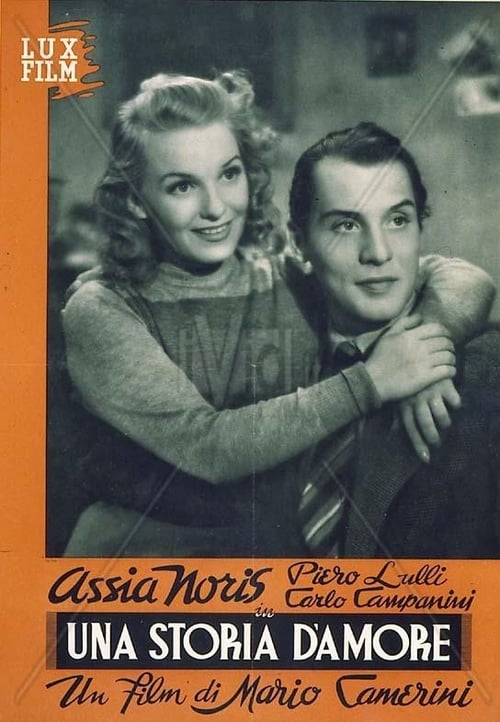
1942

1945
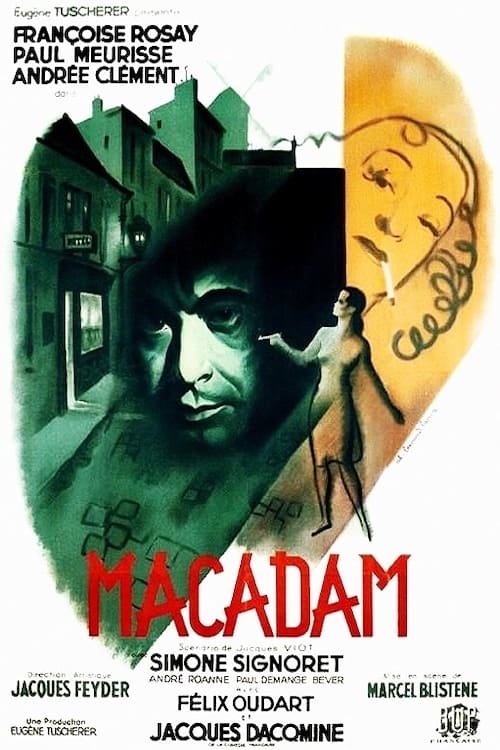
1946
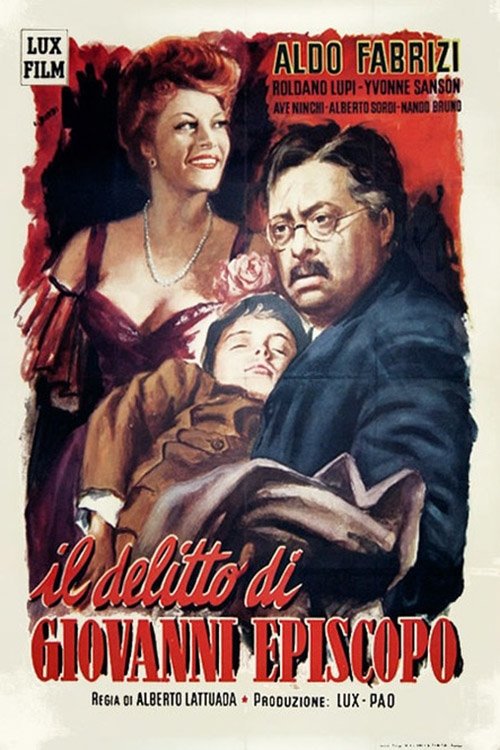
1947
No reviews yet. Be the first to share your thoughts on this movie!
Use the rating form above to leave a star rating and optional review.